Alone in the Small Hours
1978
No user ratings available yet
Representation score: 4.1 out of 10
Representation Score
Fair
1981
Director
Manuel Gutiérrez Aragón
Runtime
95 minutes
Average Rating
No ratings yetNew Showbiz Analysis
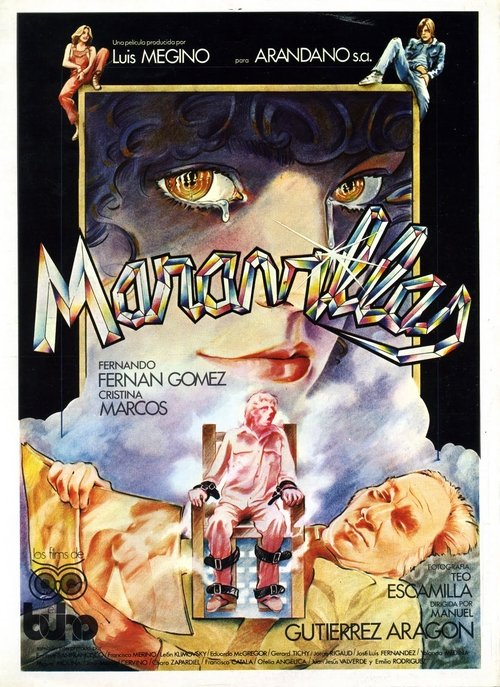
Maravillas is a sophisticated coming-of-age story that uses a personal journey to explore the tension between tradition and a changing Spain. The film successfully subverts patriarchal norms by positioning the female protagonist as an active agent and economic provider. While the film provides nuanced ethnic complexity through its Jewish subtext, it remains limited by a lack of explicit LGBTQ+ representation. The narrative emphasizes the tension between religious institutions and cultural plurality more than modern identity politics. Ultimately, the film's strength lies in its ability to use a singular perspective to critique the monolithic social structures of the post-Franco era.
Category Breakdown
The film does not include explicit LGBTQ+ characters or non-straight relationships. The romantic storylines follow a traditional path as the main character grows up.
The story focuses on the female experience, with Maravillas serving as the primary viewpoint for social changes. She takes control by becoming financially independent and supporting her father.
The film uses Jewish references to critique the homogeneity of the Franco era. The absence of Jewish godfathers highlights the historical exclusion of non-Catholic identities.
The story challenges Catholic authority by presenting religious milestones through the lens of ethnic absence. It critiques traditional family structures via the father's decadent lifestyle.
There is no indication of the representation of physical or neurodivergent disabilities within the film.
Present on Screen
Limited or Absent
Official Synopsis
A young Catholic girl takes viewers through a changing Spanish political and social landscape as she develops from her confirmation day to adulthood. Her first experience with the real Spain comes when her Jewish godfathers cannot come to her confirmation. One of the godfathers, using a ring, poses an early challenge to her innocence that puts her in danger. He later returns, indirectly introducing her to a new boyfriend. If he is one of the symbols for Jewish life under Franco, or for a Judeo-Christian interaction, that interaction is complex. The young woman encounters different lovers as she grows into adulthood, but at the same time she is burdened with financially supporting her father and his own rather decadent lifestyle. Again, this difference in generations could be understood as a difference between the "new" and "old" Spain; it is up to the viewers to interpret the story elements as they decide.
1978
1983
1999
1977

2002
1992
1982
1978
No reviews yet. Be the first to share your thoughts on this movie!
Use the rating form above to leave a star rating and optional review.