Second Fiddle
1939
No user ratings available yet
Diversity score: 2.8 out of 10
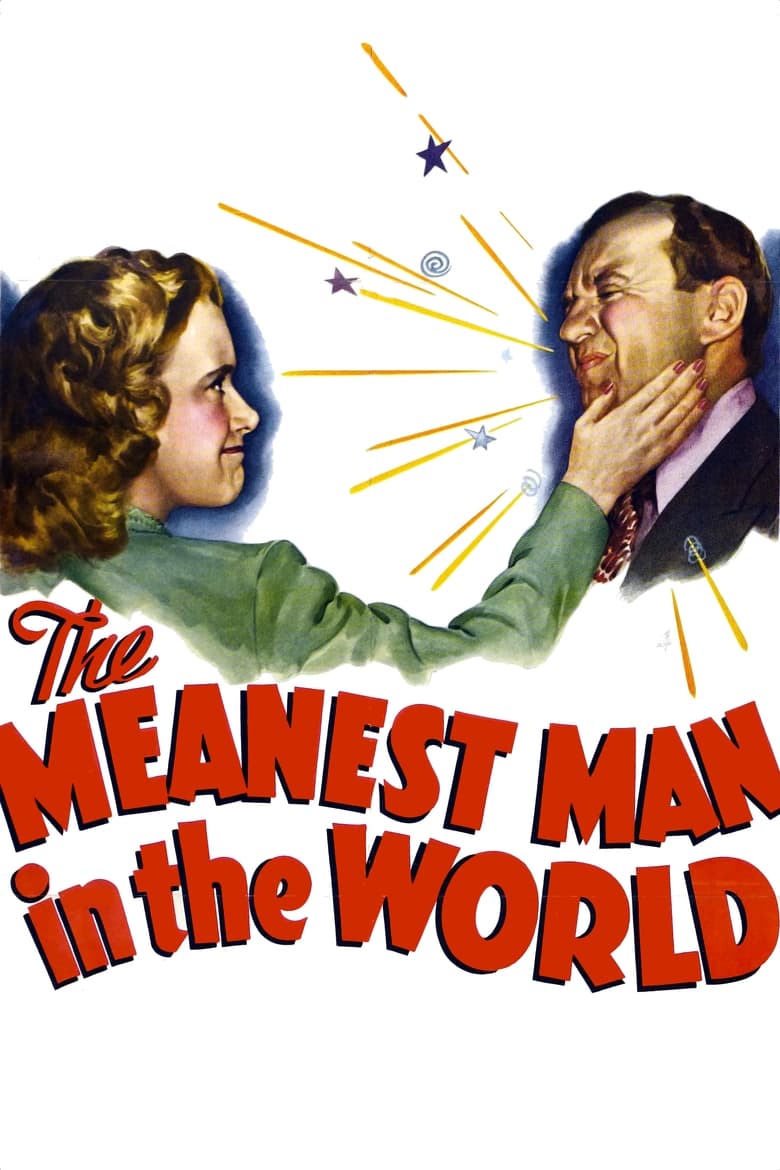
1943
NRDirector
Sidney Lanfield
Runtime
57 minutes
Average Rating
No ratings yetSynopsis
Compassionate small-town lawyer Richard Clarke moves to New York City to seek his fortune, but is unsuccessful until he takes a friend's advice and tries to convince the world he's a ruthless heel. Suddenly he's the most popular lawyer in town -- but he could lose his fiancée.
Overall Score
Limited
Category Breakdown
LGBTQ+ Representation
The film focuses on a heteronormative romantic conflict involving the protagonist and his fiancée. There is no evidence of non-cisnormative identities or narratives.
Gender Representation
The narrative follows 1940s gender hierarchies, centering agency on the male lead's professional evolution. The female character serves primarily as an emotional stakeholder reacting to his moral shifts.
Racial & Ethnic Diversity
Reflecting the standard casting norms of 1943, the film appears to feature a homogeneous ensemble. There is no evidence of diverse racial or ethnic representation.
Religious & Cultural Diversity
The story explores moral relativism through a protagonist's pursuit of fortune. It frames success through individual ambition rather than a systemic critique of cultural institutions.
Disability Representation
The narrative framework provides no indication of characters with visible or invisible disabilities.
Strengths
Areas for Improvement
AI Analysis
The film is a product of its era, functioning as a mid-century studio comedy that reinforces established social hierarchies. The plot centers on a male protagonist's moral transformation and professional success, leaving little room for diverse perspectives. Narrative agency is heavily skewed toward the male lead, while female characters are relegated to domestic or emotional roles. This structure is typical of 1940s storytelling, prioritizing individualistic success and traditional romantic stakes over broader social representation. Without evidence of diverse casting or non-traditional identities, the film remains a conventional example of its period, adhering to the homogeneous social norms of the early 1940s.
1939
1923
1947
1951
1937
1948
1934
1933
1951
1936
1941
1943
No reviews yet. Be the first to share your thoughts on this movie!
Use the rating form above to leave a star rating and optional review.