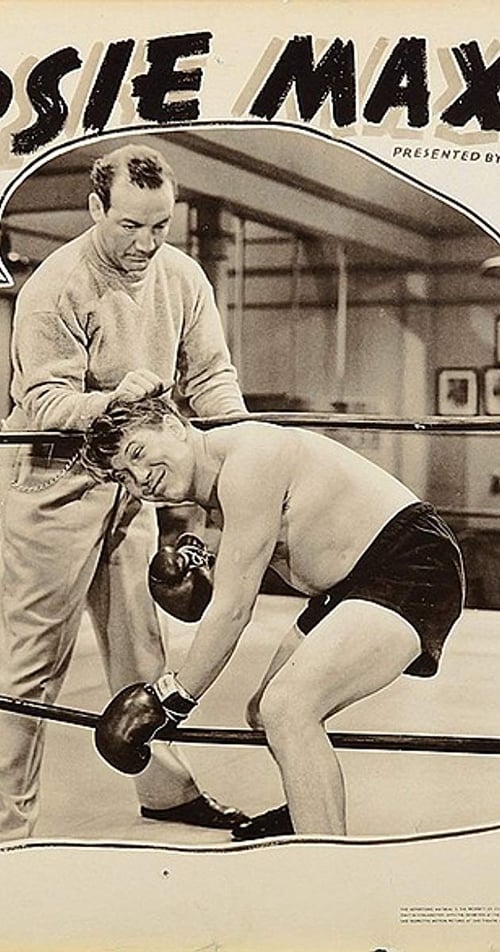
Slapsie Maxie's
1939
No user ratings available yet
Representation score: 1.2 out of 10

Representation Score
Minimal
1936
NRDirector
Leo McCarey
Runtime
89 minutes
Average Rating
No ratings yetNew Showbiz Analysis
The Milky Way serves as a classic example of 1930s studio system films, focusing on musical escapism and humorous interactions between male leads. The story follows traditional storytelling formulas of the era, reinforcing established social and gender hierarchies. Since the film aims for light entertainment rather than social commentary, it upholds the cultural and demographic norms of its time. The emphasis is on romantic pursuits and the charm of urban life within a traditional framework. Overall, the production does not aim to challenge systemic hierarchies or offer multi-layered depth, functioning instead as a historical example of mainstream Hollywood filmmaking during the period.
Category Breakdown
The film does not include any visible evidence of LGBTQ+ narratives or identities that are not straight or cisgender. All romantic relationships are between heterosexual couples.
Female characters mainly serve as romantic interests or contrasts to the male leads. They stay within traditional roles and do not have much influence over the plot.
The cast is mostly made up of similar types of people, reflecting the exclusion of diverse identities in 1930s Hollywood. The setting does not show any non-Anglo-Saxon perspectives or multiple aspects of diversity.
The story celebrates light-hearted aspects of mid-century American life and traditional Western values. It does not criticize capitalism, religion, or Western institutions.
There are no meaningful depictions of neurodivergence or physical disabilities. Characters are shown within the typical able-bodied roles of the musical comedy genre.
Present on Screen
Limited or Absent
Official Synopsis
Timid milkman, Burleigh Sullivan, somehow knocks out a boxing champ in a brawl. The fighter's manager decides to build up the milkman's reputation in a series of fixed fights and then have the champ beat him to regain his title.
1939
1926
1946
1929
1936
1927
1934
1938
No reviews yet. Be the first to share your thoughts on this movie!
Use the rating form above to leave a star rating and optional review.