
Night Will Fall
2014
No user ratings available yet
Representation score: 5.7 out of 10
Representation Score
Fair
1988
Director
Emil Weiss
Runtime
52 minutes
Average Rating
No ratings yetNew Showbiz Analysis
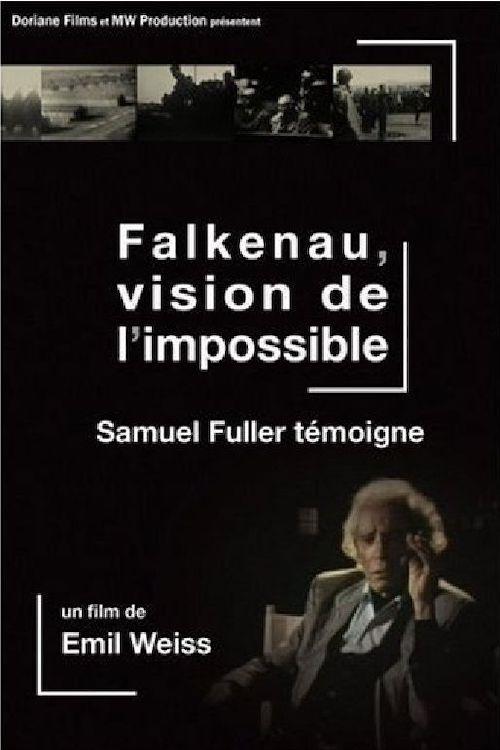
Falkenau, the Impossible is a somber, investigative documentary that prioritizes historical interrogation over traditional narrative clichés. It succeeds by challenging the stability of cultural memory and refusing to sanitize Western history. The film's strength lies in its sophisticated deconstruction of historical denialism. By juxtaposing archival footage with contemporary reflection, it exposes the uncomfortable intersections of local complicity and systemic atrocity. However, the film adheres to a traditional historical framework. It lacks characters who play a significant role in driving the story and maintains a male-centric perspective regarding the act of witnessing and directing the narrative.
Category Breakdown
The documentary focuses on the historical liberation of a concentration camp. There are no LGBTQ+ character arcs or thematic explorations of non-straight relationships present.
The narrative centers on male military figures like Sam Fuller and his commanding officer. While the film documents camp victims, the storytelling is primarily driven by men.
The film explores ethnic complexities involving Czech locals and the camp's victims. It highlights the friction between different ethnic groups and the denialism of the local population.
The film critiques societal structures and the failure of local institutions to acknowledge systemic evil. It uses historical deconstruction to examine how truth is obscured by prevailing ideologies.
The documentary addresses the extreme physical and psychological trauma of the camp's inhabitants. These experiences represent profound suffering, though they are viewed through a historical lens.
Present on Screen
Limited or Absent
Official Synopsis
Documentary stems from 1945, when infantryman Sam Fuller, member of the U.S. Army's "Big Red One," helped liberate the Nazis' Falkenau death camp. Fuller shot footage of his commanding officer's marching Czech locals, who denied knowing of the genocide, out from town to view the horrors of the death house. 40 years later, French documentary filmmaker Emil Weiss brought Fuller, who became a famous film director after World War II, back to the death camp to tell the story of the camp's liberation. Fuller's original footage is incorporated in the film.
2014
1998
1985
1985
2000
2018
1944
1999
No reviews yet. Be the first to share your thoughts on this movie!
Use the rating form above to leave a star rating and optional review.