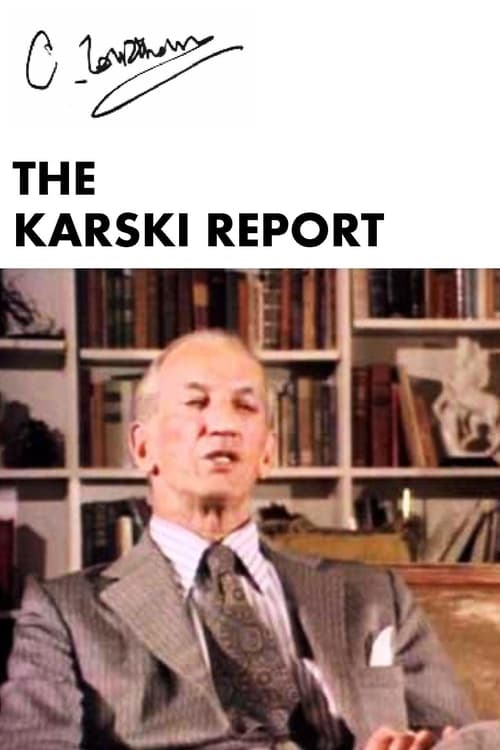
The Karski Report
2010
No user ratings available yet
Representation score: 5.9 out of 10
Representation Score
Good
1999
Director
Claude Lanzmann
Runtime
68 minutes
Average Rating
No ratings yetNew Showbiz Analysis
Claude Lanzmann’s documentary rigorously interrogates institutional blindness during the Holocaust. By contrasting bureaucratic language with the reality of a death camp, the film deconstructs the language used by dominant powers to mask violence. The work excels in its cultural and racial critique, centering the Jewish experience and challenging the perceived morality of Western humanitarian institutions. However, the film's narrow historical focus results in a lack of contemporary characters who reflect more than one aspect of diversity, particularly regarding LGBTQ+ themes and disability.
Category Breakdown
The film does not include any LGBTQ+ characters or narratives, which aligns with its focus on the WWII era but limits contemporary diversity.
The film centers on a male Red Cross official while critiquing the patriarchal institutions he represents. It challenges the typical portrayal of the competent, moral male authority figure.
The film highlights the Jewish experience during the Holocaust, focusing on ethnic survival and systemic victimization. It emphasizes the perspectives of underrepresented groups against complicit institutions.
The documentary critically examines the failures of Western humanitarian organizations, particularly the Red Cross. It questions the perceived benevolence of these institutions and their historical actions.
There is no specific depiction of physical or neurodivergent disabilities within the film.
Present on Screen
Limited or Absent
Official Synopsis
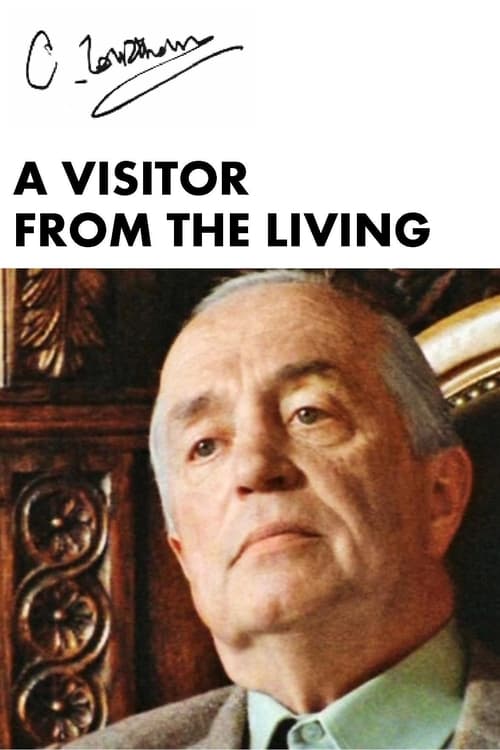
An interview with a WWII Red Cross official who wrote a glowing report on a Jewish ghetto-cum-death camp.
2010

1985
2001
1998

2018

2012
1942

2013
No reviews yet. Be the first to share your thoughts on this movie!
Use the rating form above to leave a star rating and optional review.