
Night Will Fall
2014
No user ratings available yet
Representation score: 5.7 out of 10
Representation Score
Good
1944
Director
Aleksander Ford
Runtime
24 minutes
Average Rating
No ratings yetNew Showbiz Analysis
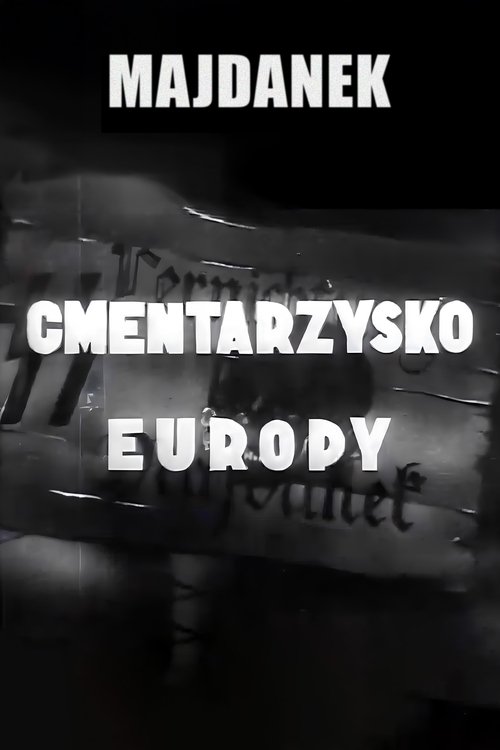
Majdanek: Cemetery of Europe serves as a foundational documentary of the Holocaust, recorded shortly after the liberation of the camp. It confronts the systematic destruction of lives through physical evidence and survivor testimonies, breaking the silence around the genocide. The film’s strength lies in its portrayal of the multi-layered oppression faced by survivors from various European nations. This provides a critical historical counter-narrative to simplified accounts of the era. While the documentary does not focus specifically on LGBTQ+ identities or individual identity arcs, it successfully presents a broad array of ethnic and national identities affected by the regime.
Category Breakdown
The film does not include specific stories or representations related to LGBTQ+ individuals. Instead, it focuses on the shared experiences of the camp's inhabitants.
Women are shown in important roles within the camp's structure, providing detailed testimonies that highlight the diverse demographics targeted by the regime.
Survivors come from various European countries, creating a rich tapestry of ethnic and national identities. This diversity challenges the idea of a single, unified group of victims.
The film highlights the corruption of institutional structures within the Nazi regime, emphasizing the truth of the victims' experiences.
The film documents the physical and mental suffering experienced by survivors, highlighting the severe impacts of systemic violence.
Present on Screen
Limited or Absent
Official Synopsis
Filmed immediately after the Red Army liberated the Majdanek concentration camp, this documentary is regarded as the first cinematic record of Nazi genocide. Shot on July 24–25, 1944, it presents stark evidence of atrocities alongside testimony from surviving prisoners representing many European nations, making it one of the earliest films to confront the scale of the Holocaust.
2014
1985
1945
1998
1942
2018
1988

2001
No reviews yet. Be the first to share your thoughts on this movie!
Use the rating form above to leave a star rating and optional review.