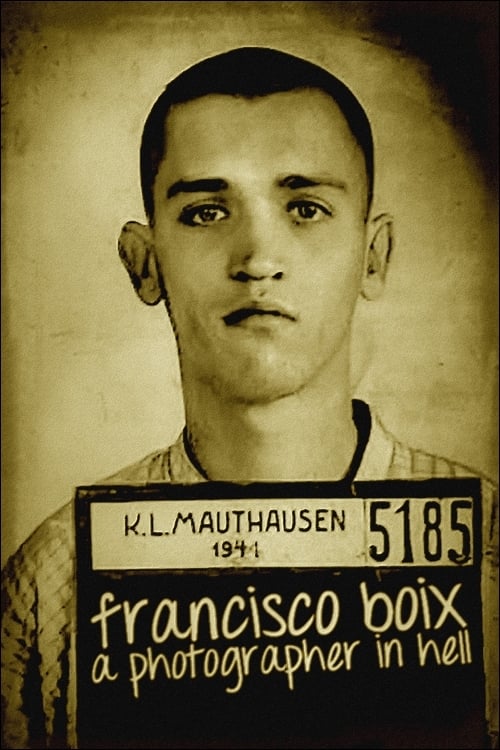
Francisco Boix: A Photographer in Hell
2000
No user ratings available yet
Representation score: 7.1 out of 10

Representation Score
Fair
2018
TV-MADirector
Mar Targarona
Runtime
111 minutes
Average Rating
No ratings yetNew Showbiz Analysis
The film reconstructs a historical event focusing on the dehumanization caused by a brutal regime. It emphasizes the tension between state violence and individual efforts to document the truth. While the story centers on male survival, it still shows the multi-layered nature of oppression through diverse ethnic backgrounds. Ultimately, the film uses a specific historical event to explore the mechanisms of systemic power and the role of underrepresented individuals in preserving history.
Category Breakdown
The film does not include any LGBTQ+ characters or stories about people whose gender doesn't match what they were assigned at birth.
The story focuses mainly on the experiences of male prisoners, showing how they survive. It doesn't give much power or control to female characters.
The film shows a variety of nationalities and ethnicities among the prisoners, breaking away from the idea of a single type of victim.
The movie criticizes state-controlled institutions and shows how documentation can resist against the erasure of history.
The film uses physical destruction and trauma to show the cruelty of the regime. However, characters with disabilities don't have much independence and are mostly used to highlight the inhumanity of the situation.
Present on Screen
Limited or Absent
Official Synopsis
Spanish photographer Francesc Boix, imprisoned in the Mauthausen-Gusen concentration camp, works in the SS Photographic Service. Between 1943 and 1945, he hides, with the help of other prisoners, thousands of negatives, with the purpose of showing the freed world the atrocities committed by the Nazis, exhaustively documented. He will be a key witness during the Nuremberg Trials.
2000
2015
2021
1998
2006

2015

2018
2007
No reviews yet. Be the first to share your thoughts on this movie!
Use the rating form above to leave a star rating and optional review.