Memorandum
1967
No user ratings available yet
Representation score: 5.9 out of 10
Representation Score
Fair
2000
Director
Amir Bar-Lev
Runtime
91 minutes
Average Rating
No ratings yetNew Showbiz Analysis
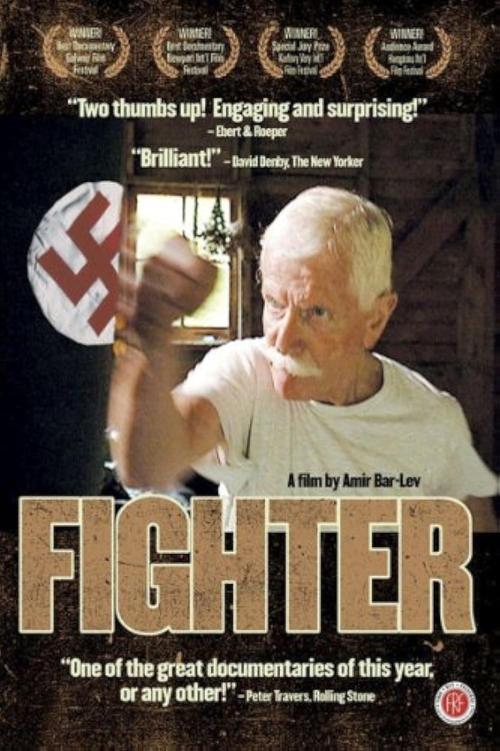
Fighter is a significant documentary that transcends simple biography to critique systemic power. It replaces heroic conflict narratives with a complex study of identity and trauma. By prioritizing perspectives underrepresented by political regimes, the film offers a nuanced understanding of human resilience. The film's strength lies in its multi-layered approach to suffering. It bridges the gap between past atrocities and modern survival, emphasizing the psychological weight of identity. However, the film's focus on masculine-coded struggle and the absence of LGBTQ+ narratives limit its breadth of representation.
Category Breakdown
The film does not include any identifiable LGBTQ+ characters or narratives. The storytelling focuses on historical and geopolitical realities.
The narrative centers on masculine spheres such as boxing and survival. It lacks significant subversion of traditional gender hierarchies, focusing instead on male-centric physical resilience.
The film excels by centering underrepresented identities navigating high-stakes environments. It prioritizes the voices of Czech survivors and the Palestinian experience against dominant historical frameworks.
The work challenges Western-centric narratives by exploring the human cost of occupation. It uses moral complexity to critique the systemic structures that perpetuate cycles of violence.
While physical disabilities are not the focus, the film explores invisible disabilities. It provides a profound look at the psychological trauma and PTSD resulting from systemic violence.
Present on Screen
Limited or Absent
Official Synopsis
Filmmaker Amir Bar-Lev follows two Czech Holocaust survivors, Jan Weiner and Arnost Lustig, as they revisit Terezin, a labor camp where Arnost was interned for five years and Jan's mother was murdered.
1967
1998
1967

1985
2001
2012

1995

2006
No reviews yet. Be the first to share your thoughts on this movie!
Use the rating form above to leave a star rating and optional review.