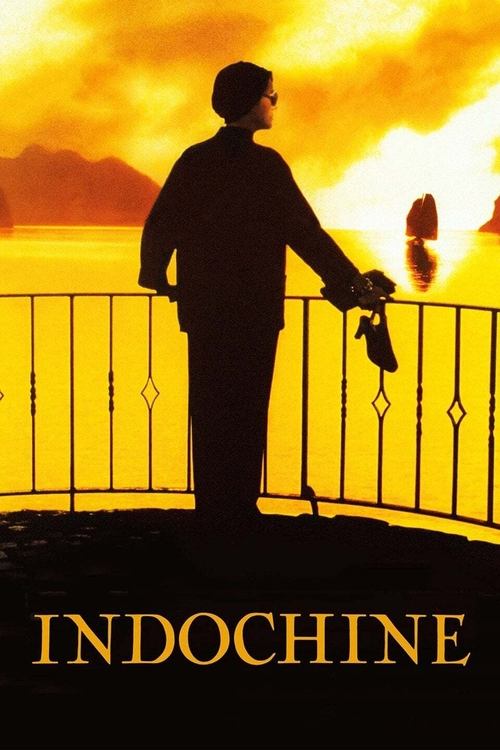
Indochine
1992
No user ratings available yet
Representation score: 5.7 out of 10

Representation Score
Fair
1995
Director
Régis Wargnier
Runtime
100 minutes
Average Rating
No ratings yetNew Showbiz Analysis
A French Woman is a traditional historical drama that prioritizes character-driven realism over progressive narrative subversion. While it offers a nuanced look at women's ability to drive the story, the film remains anchored in classical European cinematic conventions. The protagonist's journey provides a departure from the 'waiting wife' cliché, yet her identity is still largely defined through her relationships with men. This keeps the characterization within conventional gendered frameworks. Ultimately, the film lacks multi-layered depth. While it touches on global settings, the narrative lens stays centered on a homogeneous European perspective, failing to disrupt systemic hierarchies.
Category Breakdown
The film centers on heterosexual relationships and marriage. It does not include explicit LGBTQ+ characters or narratives that question traditional heterosexual norms.
Jeanne plays a central role who play a significant role in driving the story. She drives her own emotional and sexual journey rather than being a passive participant in events.
The story uses colonial conflicts such as the Indochinese War as a backdrop. However, the central perspective remains largely focused on the European experience.
The narrative explores moral ambiguity and the breakdown of traditional marital structures. It functions as a personal study of desire within the existing geopolitical order.
There is no discernible evidence regarding the portrayal of physical or neurodivergent disabilities in this work.
Present on Screen
Limited or Absent
Official Synopsis
Wed just as war breaks out, Jeanne hardly gets to know her military husband, Louis, before the debacle of 1940. While waiting for his return from a POW camp, Jeanne journeys through countless affairs with Louis' comrades- in-arms. Hoping to forget these wartime betrayls, Louis takes his wife and the infant twins he didn't father to Berlin, where she falls for Matthais, a sensitive German industrialist. When the Indochinese war sends Louis to Vietnam, Matthais follows Jeanne back to France. A subsequent move to Damascus where Louis is posted as military attache, fails to break their bond.
1992

1955

1995

1971
1979
1958
1956

1988
No reviews yet. Be the first to share your thoughts on this movie!
Use the rating form above to leave a star rating and optional review.