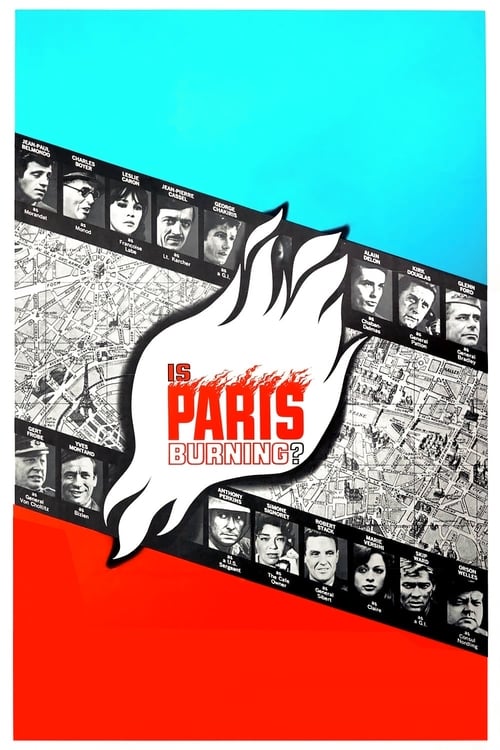
Is Paris Burning?
1966
No user ratings available yet
Representation score: 2.6 out of 10
Representation Score
Minimal
1964
NRDirector
John Frankenheimer
Runtime
133 minutes
Average Rating
No ratings yetNew Showbiz Analysis
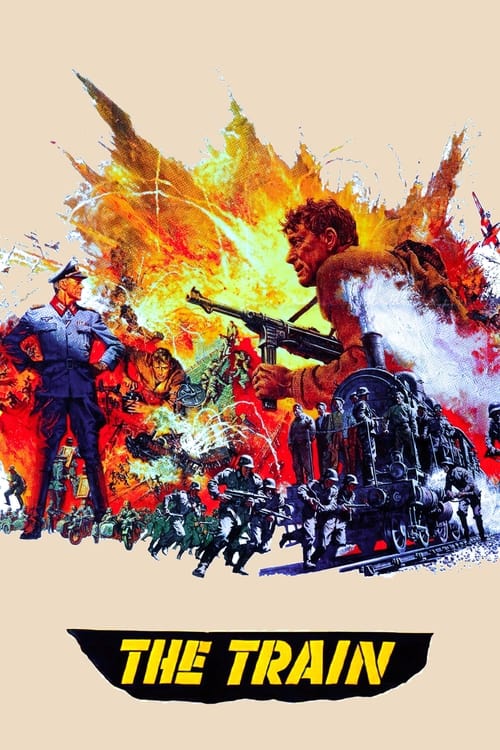
The Train is a typical mid-century war thriller that emphasizes historical realism and traditional masculine heroism. It operates within the social hierarchies of 1964, focusing on the tension between military necessity and cultural preservation. The film does not intentionally explore complex intersections or challenge established social norms. Its narrative structure reinforces traditional gender roles and a Western-centric view of the conflict. Ultimately, the production serves as a quintessential example of its era, highlighting duty and wartime archetypes over progressive representation.
Category Breakdown
The film follows a strict assumption that everyone is straight and cisgender. There are no depictions of same-sex relationships or non-binary identities.
The character roles emphasize a masculine military hierarchy. Women are mostly shown as civilians and have limited influence on the plot's strategic decisions.
The cast is primarily white, reflecting the historical setting of 1944 and mid-century production standards. It does not include diverse backgrounds or multi-layered representation.
The story centers on preserving European cultural heritage. It presents a clear moral binary between Allied forces and the Nazi regime without challenging Western institutions.
There are no prominent depictions of visible or invisible disabilities. Characters are defined mainly by their physical abilities and military roles.
Present on Screen
Limited or Absent
Official Synopsis
As the Allied forces approach Paris in August 1944, German Colonel Von Waldheim is desperate to take all of France's greatest paintings to Germany. He manages to secure a train to transport the valuable art works even as the chaos of retreat descends upon them. The French resistance however wants to stop them from stealing their national treasures but have received orders from London that they are not to be destroyed. The station master, Labiche, is tasked with scheduling the train and making it all happen smoothly but he is also part of a dwindling group of resistance fighters tasked with preventing the theft. He and others stage an elaborate ruse to keep the train from ever leaving French territory.
1966
1965
1976

1943
1963
1941
1968
1960
No reviews yet. Be the first to share your thoughts on this movie!
Use the rating form above to leave a star rating and optional review.