
Hidden Gold
1940
No user ratings available yet
Representation score: 1.3 out of 10
Representation Score
Minimal
1937
PassedDirector
Noel M. Smith
Runtime
55 minutes
Average Rating
No ratings yetNew Showbiz Analysis
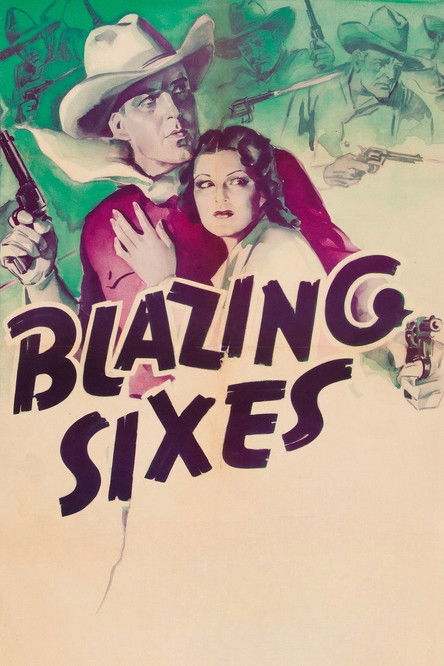
Blazing Sixes is a standard genre piece that adheres strictly to the Western archetypes of the late 1930s. The narrative structure reinforces traditional hierarchies of gender and authority rather than challenging them. The story relies on a protagonist-driven model where a male government agent manages the central conflict. Female characters have limited roles, often tied to property or romantic interests. The narrative lacks multi-layered complexity, functioning as a linear morality tale that upholds the social and racial norms of its era.
Category Breakdown
The film follows a conventional structure that assumes everyone is straight or cisgender. There are no characters with non-traditional gender identities.
The story is driven by a traditional gender hierarchy. Red Barton handles the main investigative work, while Barbara Morgan's role is centered around her inheritance claim, limiting her influence.
The film adheres to the homogeneous racial norms typical of 1937 Westerns. It focuses on Anglo-Saxon archetypes without showing any diversity in the cast.
The narrative reinforces the legitimacy of state authority and traditional justice. The conflict revolves around protecting private property and enforcing law and order.
The film provides no information regarding characters with visible or invisible disabilities. No representation in this category is present.
Present on Screen
Limited or Absent
Official Synopsis
Government agent Red Barton is sent to a small western town to find both the source of a recent series of gold robberies and the method they use to get the gold out of the county unseen. Complicating matters is the arrival of pretty Barbara Morgan who has come to claim her inheritance - the ranch the outlaw gang is using for their headquarters.
1940
1941
1937
1947
1937
1952
1936
1946
No reviews yet. Be the first to share your thoughts on this movie!
Use the rating form above to leave a star rating and optional review.