
Monsieur Lazhar
2011
No user ratings available yet
Diversity score: 6.9 out of 10

2006
Director
Philippe Falardeau
Runtime
105 minutes
Average Rating
No ratings yetSynopsis
Michel is a Belgian inventor. He cares for his father, a paralysed writer, is married to a Congolese woman and is the father of an interracial child whom he reassures as to his parentage. He discovers at the age of 41 that he was adopted, actually having been born in Sainte-Cécile, Quebec. In the summer of 2000, he travels to Quebec, supposedly to sell some of his inventions. While on a near-impossible quest to find his birth family in the town where he was born, he crosses paths with Louis Legros, son of another inventor, in a meeting which will change their lives.
Overall Score
Good
Category Breakdown
LGBTQ+ Representation
The film lacks identifiable LGBTQ+ characters or narratives. The story focuses on communal survival and childhood curiosity within established social structures.
Gender Representation
Gender hierarchies are partially bypassed by prioritizing the perspectives of children. The agency of young protagonists helps decentralize traditional patriarchal leadership.
Racial & Ethnic Diversity
The film excels by utilizing an entirely Black cast to portray the Congolese community. It avoids tokenism by treating the Congolese experience as the central reality.
Religious & Cultural Diversity
The narrative offers a sophisticated critique of global disparity through the lens of Western technological influence. It highlights the disconnect between global industry and local subsistence.
Disability Representation
The film lacks specific character arcs dedicated to neurodivergence or physical disability. Instead, it focuses on the systemic vulnerabilities caused by extreme poverty.
Strengths
Areas for Improvement
AI Analysis
Congorama succeeds as a post-colonial observation that shifts the cinematic gaze away from Western-centric perspectives. By centering the lived realities of a Congolese community, the film disrupts conventional storytelling hierarchies. The production achieves high marks for racial and cultural authenticity. It uses discarded Western technology as a semiotic device to critique capitalist disparity and the impact of external influence on local life. While the film lacks specific representation for LGBTQ+ identities and disability, it provides a nuanced portrait of agency. The focus on childhood curiosity allows for a meaningful exploration of a marginalized socioeconomic context.
2011

2009

1996

2018

2017

2016

2018
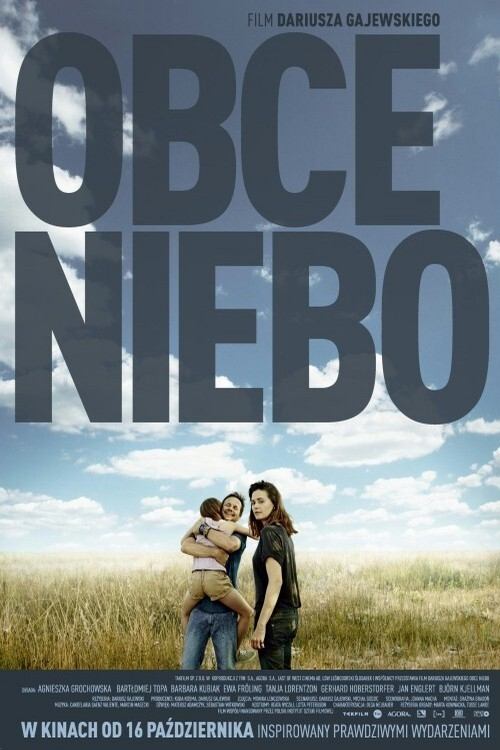
2015
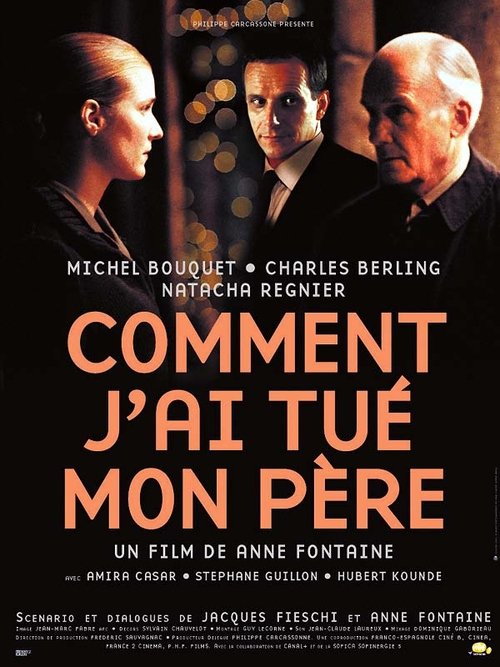
2001
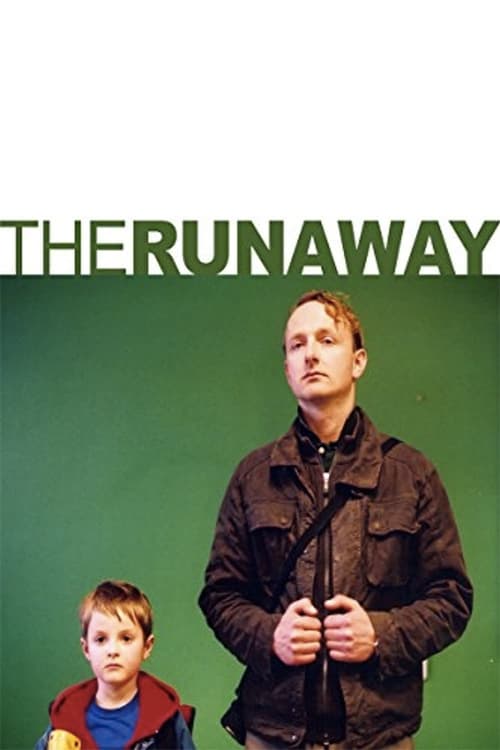
2004
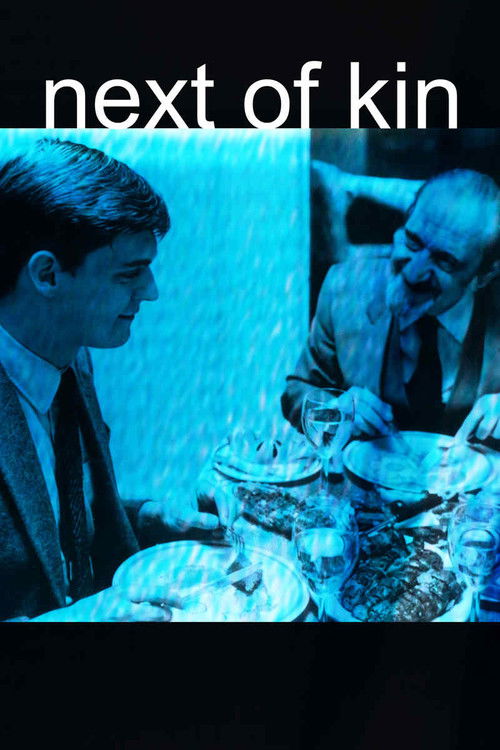
1984

1998
No reviews yet. Be the first to share your thoughts on this movie!
Use the rating form above to leave a star rating and optional review.