My Brother Is Getting Married
2006
No user ratings available yet
Representation score: 6.1 out of 10
Representation Score
Good
1984
Not RatedDirector
Atom Egoyan
Runtime
70 minutes
Average Rating
No ratings yetNew Showbiz Analysis
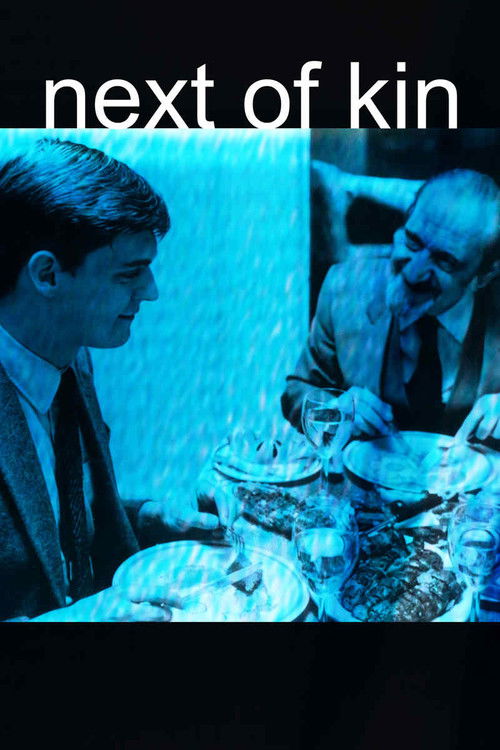
Atom Egoyan’s debut is a sophisticated study of identity fragmentation. It avoids traditional, stable character archetypes, opting instead for a complex, subjective exploration of the self through the lens of mediation and technology. The film's primary strength is its multi-layered approach to the immigrant experience. By centering the Armenian family, it provides a deep exploration of displacement and ethnic identity within a Canadian context. However, the film lacks overt representation in several key areas. While it explores psychological instability, it does not provide explicit depictions of LGBTQ+ identities or ability to act-driven disability narratives.
Category Breakdown
The film examines psychological isolation and fractured family dynamics without explicitly depicting LGBTQ+ identities or narratives that question the assumption that everyone is straight or cisgender.
The narrative shifts from traditional male leadership to a focus on voyeuristic psychological states. However, the central tension does not fully challenge existing gender hierarchies.
The inclusion of an Armenian family provides meaningful representation. Centering a story of displacement and adoption avoids the homogenous white norms typical of era dramas.
The film critiques traditional Western connections through postmodern subjectivity. It deconstructs the nuclear family as a stable, inherently positive institution.
Characters exhibit profound psychological alienation and social isolation. These elements function as character studies of obsession rather than explicit representations of disability where individuals have control over their actions.
Present on Screen
Limited or Absent
Official Synopsis
Twenty-three-year old Peter Foster is an only child who lives at home, where he constantly hears his parents arguing. Because Peter does nothing all day, the family goes to a clinic where a therapist videotapes them. After Peter watches his tape, he views the tape of a troubled Armenian family, who gave their only son away for adoption when they arrived in Canada. Peter decides to visit this family, and he pretends to be their son, Bedros Deryan. The Deryan family welcomes him with open arms, and Peter tries to patch up the poor relationship between George Deryan and his daughter Azah.
2006
1995

2011
2008

1978

1997
1988

2012
No reviews yet. Be the first to share your thoughts on this movie!
Use the rating form above to leave a star rating and optional review.