The Present
2020
No user ratings available yet
Representation score: 4.9 out of 10
Representation Score
Fair
2017
Director
Annemarie Jacir
Runtime
107 minutes
Average Rating
No ratings yetNew Showbiz Analysis
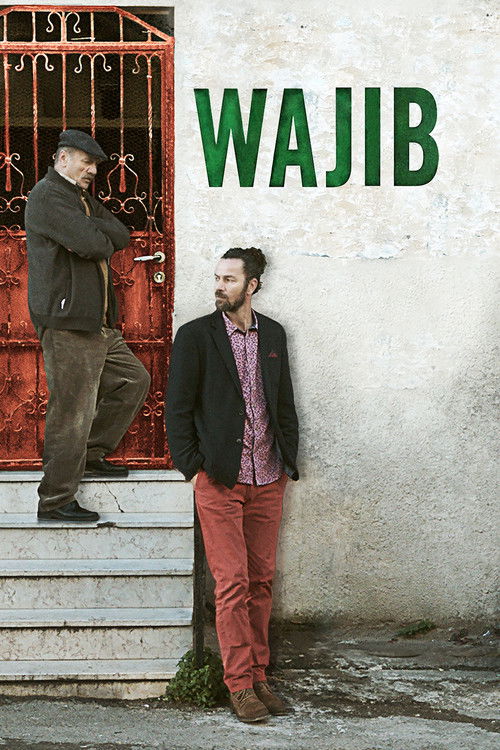
Wajib is a significant film that prioritizes authentic representations of Palestinian life. By shifting the focus away from Western protagonists, it centers the experiences of Palestinians. The film uses the unique setting to give more power to characters often sidelined in mainstream media. However, the narrative stays within a traditional cultural framework. It does not address LGBTQ+ themes or disability-focused stories, limiting its range of representation. The focus remains on family obligations and the political realities faced by the occupied population.
Category Breakdown
The film focuses on traditional family duties and personal relationships. It does not include characters with non-binary gender identities or same-sex relationships.
The story examines the tension between patriarchal structures and the responsibilities of men. It gently highlights how these rigid roles lead to conflicts among characters.
The film offers a deep look at Palestinian identity through a mostly Arab cast. It emphasizes the daily lives of people dealing with occupation.
This work serves as a strong critique of colonial legacies by focusing on self-determination. It challenges Western perspectives by making self-rule a key part of the story.
The film does not prominently depict characters with visible or invisible disabilities that play central roles in the narrative.
Present on Screen
Limited or Absent
Official Synopsis
After years abroad in Italy, Shadi returns to his native Nazareth. But this is no spectacular homecoming. He's back somewhat begrudgingly to honour his "wajib" (or duty) to hand out invitations to his sister's wedding with his father. The simmering tension between the two — who are often stuck in a car, more often than not in traffic — builds, exposing the sometimes-comic chasms that exist between men who live in different worlds but share an unshakable bond.
2020
2016
2022
2016
2020
2015

2015
2008
No reviews yet. Be the first to share your thoughts on this movie!
Use the rating form above to leave a star rating and optional review.