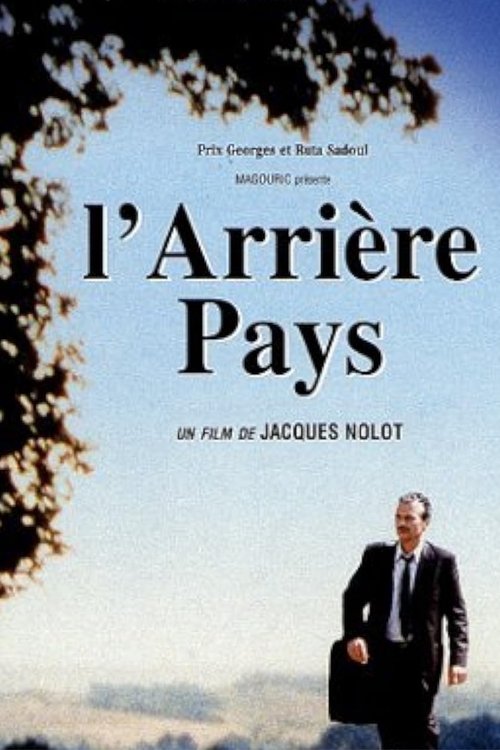
Hinterland
1998
No user ratings available yet
Representation score: 7.1 out of 10

Representation Score
Fair
2001
Director
Anne Fontaine
Runtime
98 minutes
Average Rating
No ratings yetNew Showbiz Analysis
Anne Fontaine’s drama stands out as a powerful post-colonial exploration. By focusing on a child's perspective during the First Indochina War, the film dismantles Western colonial hierarchies and instead examines the ability to act of the Vietnamese people. The film excels in giving high ability to act to non-Western characters and providing a nuanced critique of Western institutions. However, it lacks representation of LGBTQ+ identities and characters with disabilities.
Category Breakdown
The film does not feature LGBTQ+ characters. The narrative focus remains strictly on familial and political tensions.
The film centers on a young female protagonist, whose perspective drives the emotional core of the story. This shifts the focus away from traditional patriarchal structures.
The film highlights the Vietnamese population's experiences during the First Indochina War, giving them a leading role rather than treating them as passive subjects.
The narrative critiques Western institutionalism and French colonial administration, emphasizing the moral conflict of national liberation.
There is no significant evidence of characters with visible or invisible disabilities serving as central themes.
Present on Screen
Limited or Absent
Official Synopsis
When his long-time disappeared father is entering his life again, Jean-Luc, a successful doctor, has no option but to face his own life story. Will he ever be able to forget and forgive?
1998

2018
2012

1997

1995
2023
1991

2017
No reviews yet. Be the first to share your thoughts on this movie!
Use the rating form above to leave a star rating and optional review.