Histoire(s) du Cinéma 3a: The Coin of the Absolute
2006
No user ratings available yet
Representation score: 6.7 out of 10
Representation Score
Fair
2015
Director
Thom Andersen
Runtime
100 minutes
Average Rating
No ratings yetNew Showbiz Analysis
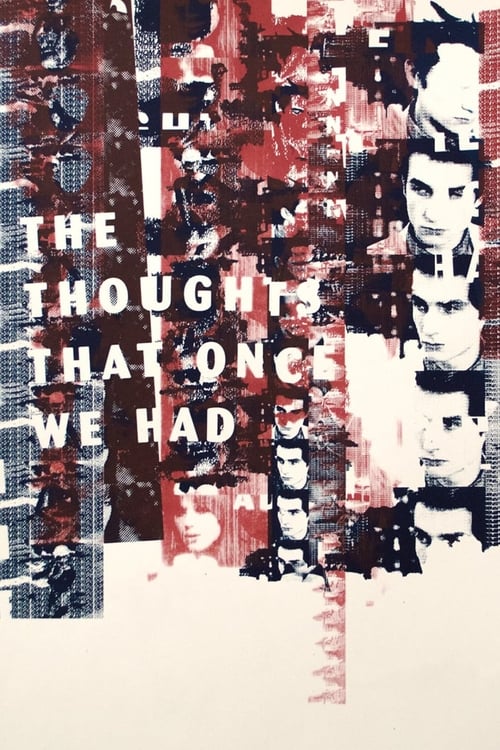
Thom Andersen’s essay film serves as a meta-commentary on the history of the moving image. Instead of relying on traditional character clichés, it employs a Deleuzian framework to examine how media shapes social perception and historical memory. The film's strength lies in its intellectual deconstruction of the Hollywood studio system and its visual language. It challenges viewers to move beyond passive consumption by analyzing the systemic structures that influence how identity is visualized. However, due to its theoretical and non-linear nature, the film lacks the character-driven roles necessary for high scores in specific identity categories. It prioritizes semiotic exploration over direct representations of underrepresented groups.
Category Breakdown
The film focuses on theoretical studies of cinema rather than providing a narrative drama. There is no clear evidence of queer-coded narratives.
The work aims to deconstruct traditional gender hierarchies using Deleuzian theory. However, the lack of character-driven roles limits its representation of gender.
The film likely addresses the exclusion of non-white perspectives in classical cinema. The director's history indicates a commitment to examining how Hollywood sidelines racial and ethnic identities.
It disrupts conventional Western narrative structures by prioritizing philosophical inquiry over linear progression. The film emphasizes a complex, subjective understanding of time, memory, and images.
There is insufficient evidence to determine the presence of characters or themes related to physical or neurodivergent conditions within this theoretical essay film.
Present on Screen
Limited or Absent
Official Synopsis
One of America’s foremost practitioners of the essay film presents a major new work inspired by the writings of Gilles Deleuze on cinema. Andersen’s The Thoughts That Once We Had is a richly layered journey through cinematic history, masterfully edited as it playfully moves across decades and genres, and suffused at every turn by the renowned filmmaker and critic’s lifelong passion for the movies.
2006
1983
2006
2003
2006
2004
2006
1989
No reviews yet. Be the first to share your thoughts on this movie!
Use the rating form above to leave a star rating and optional review.