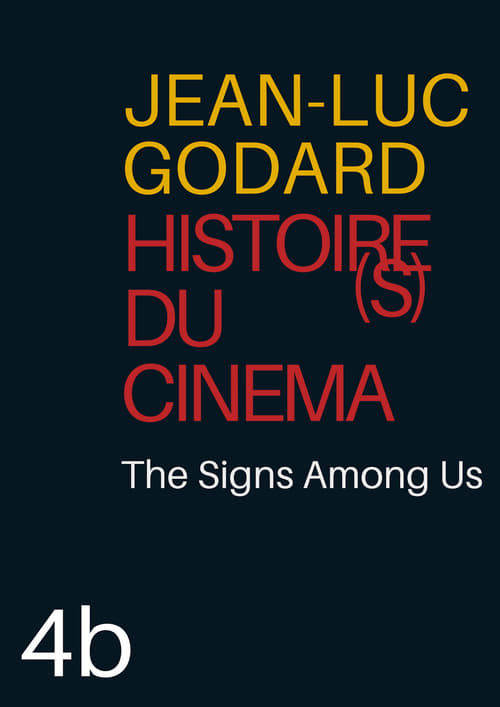
Histoire(s) du Cinéma 4b: The Signs Among Us
2006
No user ratings available yet
Representation score: 8.9 out of 10
Representation Score
Excellent
2006
Director
Jean-Luc Godard
Runtime
27 minutes
Average Rating
No ratings yetNew Showbiz Analysis
Jean-Luc Godard’s work serves as a critique of how identity is shaped through the lens of cinema. Instead of focusing on individual character arcs, the film employs a fragmented, postmodern approach to challenge traditional Western storytelling and institutional legacies. The documentary succeeds by emphasizing subjectivity and dismantling the power dynamics inherent in the cinematic medium. It goes beyond simple inclusion to address the historical and political implications of moving images. While the experimental nature of the montage limits traditional representation, the film’s intellectual framework remains highly progressive in its challenge to established truths.
Category Breakdown
The film lacks a central LGBTQ storyline but uses archival montages to show non-straight relationships. It breaks down the assumption that everyone is straight by using historical references.
The film challenges traditional gender roles by questioning how women are framed and commodified by the camera. It disrupts the usual power dynamic between the male director and the female subject.
Archival footage from around the world showcases a wide range of racial and ethnic backgrounds. The film explores post-colonial themes and examines how cinema can be used as a tool of empire.
The film effectively critiques Western institutions and presents history as subjective. It uses anti-capitalist critiques and treats religious symbols as part of a larger historical record to be analyzed.
The non-linear structure doesn't provide character-driven stories about disability. However, it avoids overly sentimental depictions by treating all human imagery as part of a fragmented historical record.
Present on Screen
Limited or Absent
Official Synopsis
Part 6 of Godard's 8 part examination of the history of the concept of cinema and how it relates to the 20th century
2006
1983
2006
2008
2006
2004
2006

2012
No reviews yet. Be the first to share your thoughts on this movie!
Use the rating form above to leave a star rating and optional review.