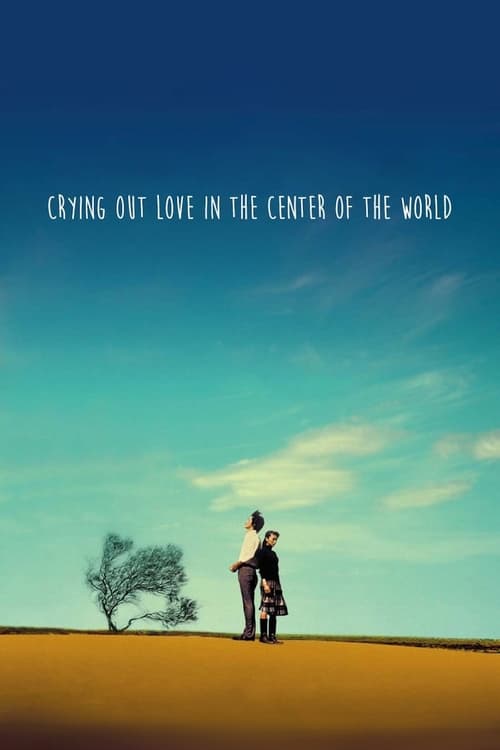
Crying Out Love in the Center of the World
2004
No user ratings available yet
Diversity score: 3.4 out of 10

2001
Director
Isao Yukisada
Runtime
122 minutes
Average Rating
No ratings yetSynopsis
Sugihara, a Japanese-born, third-generation Korean teenager struggles to find a place in a society that will not accept him.
Overall Score
Good
Category Breakdown
LGBTQ+ Representation
The film does not center on queer romantic arcs or non-cisnormative identities. While it touches on adolescent intimacy and breaking social taboos, these elements support themes of individual liberation rather than specific LGBTQ+ critiques.
Gender Representation
The narrative subverts traditional masculine archetypes by portraying the male experience through vulnerability and aimlessness. Female characters also occupy complex, non-submissive roles that disrupt standard gender hierarchies.
Racial & Ethnic Diversity
The film excels by centering a third-generation Korean protagonist, challenging the idea of a homogeneous Japanese society. It moves beyond tokenism to provide a profound study of marginalized agency and systemic exclusion.
Religious & Cultural Diversity
The story critiques rigid societal structures and traditional institutions through the protagonist's rebellion against academic and parental authority. It prioritizes individual truth over institutional conformity and social hierarchy.
Disability Representation
There are no prominent depictions of visible or invisible disabilities that serve as central drivers for the plot.
Strengths
Areas for Improvement
AI Analysis
GO is a significant work of intersectional storytelling that uses a minority identity as the primary lens to examine systemic social pressures. By centering the Zainichi experience, the film moves beyond superficial representation to explore the friction between ethnic identity and national belonging. The film's strength lies in its refusal to rely on traditional tropes, particularly regarding gender and social roles. It replaces the 'competent male leader' archetype with a more vulnerable, displaced protagonist, offering a nuanced view of adolescent dynamics. While the film lacks specific focus on LGBTQ+ or disability representation, its sophisticated handling of racial and cultural identity provides a deep, character-driven critique of social conformity.
2004

2000

2005
2009

2017

2016
2003

2001
2000

2014

1993

2019
No reviews yet. Be the first to share your thoughts on this movie!
Use the rating form above to leave a star rating and optional review.