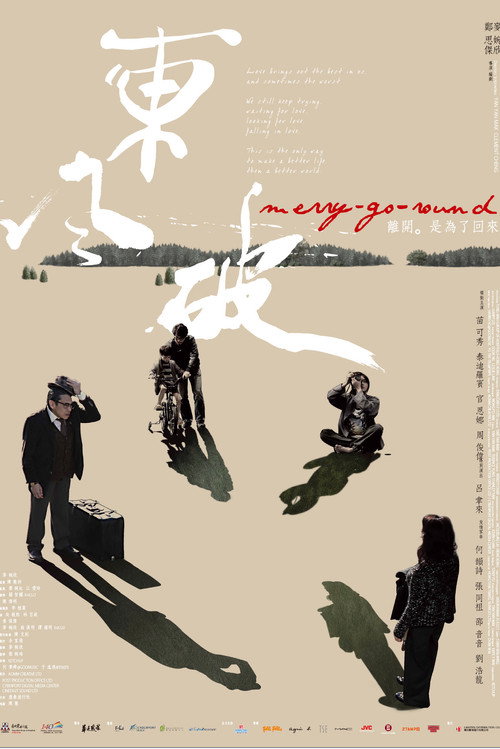
Merry-Go-Round
2010
No user ratings available yet
Diversity score: 6.0 out of 10
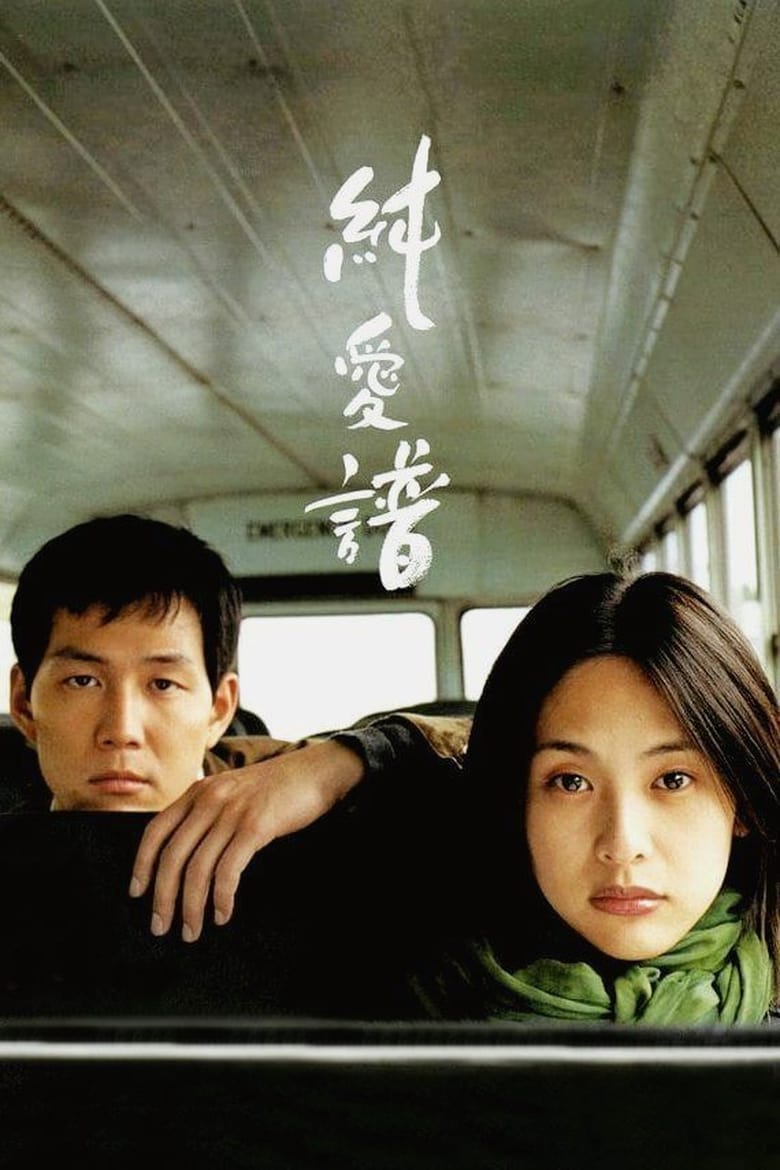
2000
Director
E J-yong
Runtime
117 minutes
Average Rating
No ratings yetSynopsis
Asako in Ruby Shoes succeeds in providing yet another challenge to views of a homogeneous South Korea by presenting to us the Asian side of modern globalization. The film jumps back and forth from Korea and Japan, with each main character feeling out of place in their respective homes.
Overall Score
Fair
Category Breakdown
LGBTQ+ Representation
The story centers on the dissolution of a heterosexual marriage. There is no visible presence of non-cisnormative identities or same-sex romantic arcs.
Gender Representation
Asako serves as the central protagonist with significant emotional agency. The film avoids depicting women as passive victims, focusing instead on her internal response to infidelity.
Racial & Ethnic Diversity
The narrative moves between South Korea and Japan to challenge notions of a monolithic East Asian identity. It uses transnationalism to highlight character displacement.
Religious & Cultural Diversity
The film critiques the stability of the traditional nuclear family within a postmodern context. It explores urban alienation and the fragility of modern social bonds.
Disability Representation
There are no prominent depictions of physical or neurodivergent disabilities that serve as central character traits or drive the narrative.
Strengths
Areas for Improvement
AI Analysis
Asako in Ruby Shoes offers a sophisticated look at emotional distance and identity within a transnational framework. By moving between Korea and Japan, the film complicates the idea of a homogeneous East Asian experience, focusing instead on the displacement felt in a globalized world. The narrative succeeds in deconstructing traditional romantic archetypes and the idealized stability of the nuclear family. It prioritizes emotional interiority, allowing the characters to navigate the complexities of modern commitment and urban alienation. However, the film lacks significant representation for LGBTQ+ identities and does not feature characters with disabilities. While it excels at exploring cross-cultural displacement, it remains focused on a traditional heterosexual framework.
2010

2010

2005
2022
2008
2014
2017

2007
2009

2005

2016
2003
No reviews yet. Be the first to share your thoughts on this movie!
Use the rating form above to leave a star rating and optional review.