
Marock
2005
No user ratings available yet
Representation score: 7.1 out of 10
Representation Score
Good
2001
PGDirector
Majid Majidi
Runtime
90 minutes
Average Rating
No ratings yetNew Showbiz Analysis
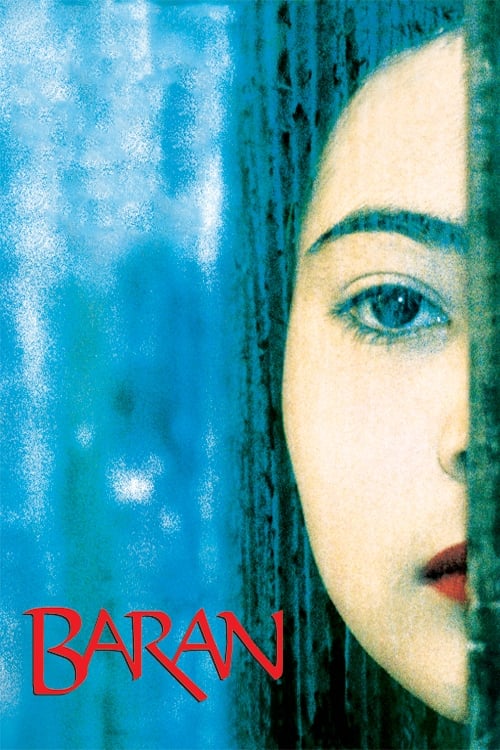
Baran is a sophisticated work of social realism that dismantles traditional hierarchies through an multi-layered lens. It succeeds by centering underrepresented migrant populations, specifically Afghan and Turkish workers, providing them with significant narrative ability to act. The film's exploration of gender is particularly compelling, using disguise not as social rebellion, but as a tool for survival within a male-dominated workspace. This highlights the performative nature of gender under systemic pressure. While the film lacks disability representation, its focus on the dignity of the urban poor and the complexities of displacement creates a powerful, humanistic portrait of life on the periphery.
Category Breakdown
The film explores gender presentation through economic necessity. A character adopts a female persona to navigate labor market restrictions, disrupting the assumption that everyone is straight or cisgender through performative gender.
The narrative challenges rigid gender roles by placing a character in a position where femininity is used to achieve a significant role in driving the story. This treats gender as a fluid social construct.
The film excels by centering the lives of Afghan and Turkish laborers in Tehran. It provides real power to underrepresented migrant populations, avoiding a tourist gaze in favor of empathetic realism.
Majidi offers a nuanced critique of systemic inequality and class stratification. The story prioritizes the lived experiences of the urban poor, finding moral resilience within systemic struggle.
There are no prominent depictions of physical or neurodivergent disabilities that serve as central plot drivers.
Present on Screen
Limited or Absent
Official Synopsis
On a building site in present-day Tehran, Lateef, a 17-year-old Turkish worker is irresistibly drawn to Rahmat, a young Afghan worker. The revelation of Rahmat's secret changes both their lives.
2005
2004

2000
2009

2020
2023

2002

2005
No reviews yet. Be the first to share your thoughts on this movie!
Use the rating form above to leave a star rating and optional review.