
Mamitas
2012
No user ratings available yet
Representation score: 5.6 out of 10
Representation Score
Fair
2003
RDirector
Peter Sollett
Runtime
88 minutes
Average Rating
No ratings yetNew Showbiz Analysis
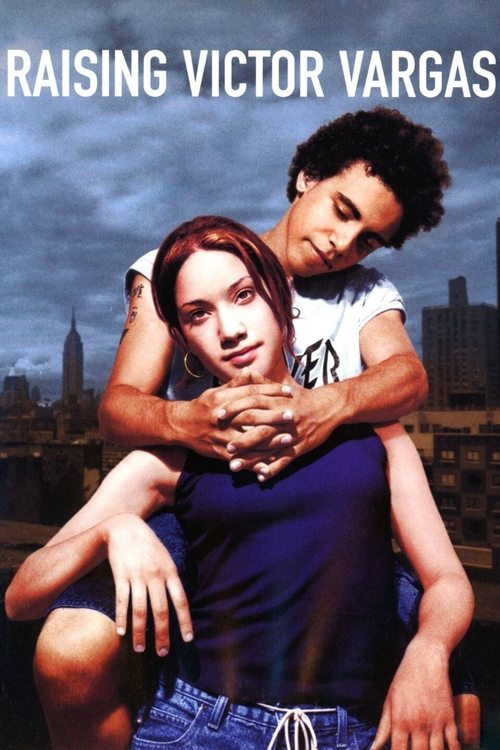
Raising Victor Vargas stands out for its authentic portrayal of the Dominican-American experience in Washington Heights. By focusing on specific, naturalistic ethnic representation, the film breaks away from Anglo-centric coming-of-age stories. However, it operates within conventional social frameworks, emphasizing a male-centric viewpoint and traditional romantic structures. This limits its broader diversity impact. Ultimately, the film succeeds as a detailed portrait of a specific community, even while relying on standard adolescent social hierarchies.
Category Breakdown
The film focuses mainly on heterosexual relationships among adolescents. There are no visible representations of LGBTQ+ identities or non-binary gender roles.
The story is primarily told from a male perspective, which can reinforce traditional gender roles. However, female characters play significant roles and have strategic social presence.
The film centers around a Latino/Hispanic cast within a Dominican-American community. Characters of color are given high levels of ability to act and depth.
The film offers a realistic look at working-class urban life and eccentric family bonds. It prioritizes character-driven realism over overt religious or political messaging.
There is no significant portrayal of visible or invisible disabilities in the narrative.
Present on Screen
Limited or Absent
Official Synopsis
Victor, a Lower East Side teenager, as he deals with his eccentric family, including his strict grandmother, his bratty sister, and a younger brother who completely idolizes him. Along the way he tries to win the affections of Judy, who is very careful and calculating when it comes to how she deals with men.
2012
1995

2000

2003
2002

1983

1993

2004
No reviews yet. Be the first to share your thoughts on this movie!
Use the rating form above to leave a star rating and optional review.