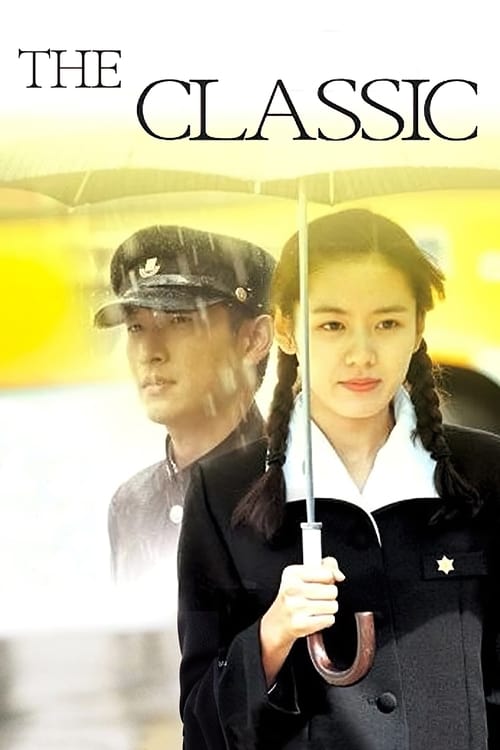
The Classic
2003
No user ratings available yet
Representation score: 2.3 out of 10
Representation Score
Fair
2005
PG-13Director
Yoon Tae-yong
Runtime
115 minutes
Average Rating
No ratings yetNew Showbiz Analysis
The film stands out by centering on underrepresented family structures, particularly single motherhood, which challenges idealized domestic clichés. It employs a metaphysical framework to question systemic determinism and life cycles. However, the work remains limited by its lack of queer representation and reliance on traditional gendered clichés regarding female desirability. The cast is ethnically homogeneous, though the cultural perspective is distinctly non-Western.
Category Breakdown
The film does not include explicit LGBTQ+ characters or narratives. The central romantic tension is based on a relationship between characters of different ages, rather than on queer identities.
Women are shown as the emotional and economic anchors of the story, often running small businesses. However, the film relies on clichés regarding the female lead’s sexuality.
This South Korean production provides a non-Western perspective that avoids a white-centric viewpoint. It focuses on a specific Korean social fabric and domestic reality.
The narrative questions traditional life trajectories through a metaphysical afterlife conflict. It examines fractured family structures, such as single motherhood, rather than idealized domesticity.
There are no prominent depictions of physical or neurodivergent disabilities that drive the narrative.
Present on Screen
Limited or Absent
Official Synopsis
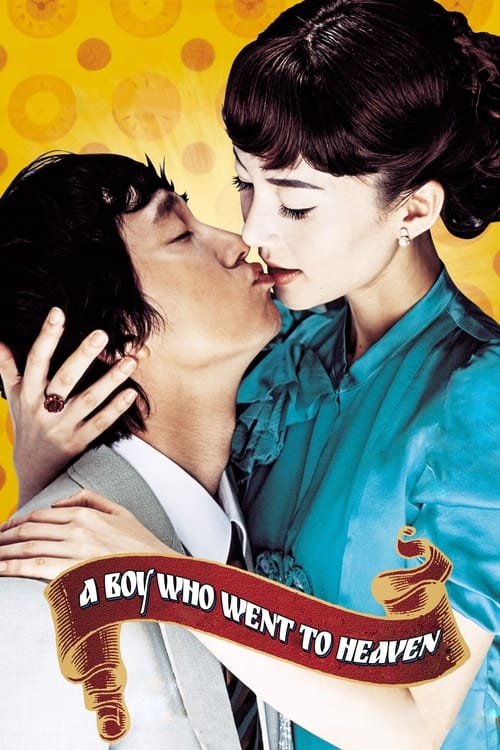
After a miraculous second chance at life, a 13-year-old boy reincarnated into a 33-year-old man has 60 days to win a single mother's heart.
2003
2009

2003
1999
2005
1995
2012
1995
No reviews yet. Be the first to share your thoughts on this movie!
Use the rating form above to leave a star rating and optional review.