Halfway
2009
No user ratings available yet
Representation score: 2.0 out of 10
Representation Score
Fair
2009
Director
Atsushi Sanada
Runtime
111 minutes
Average Rating
No ratings yetNew Showbiz Analysis
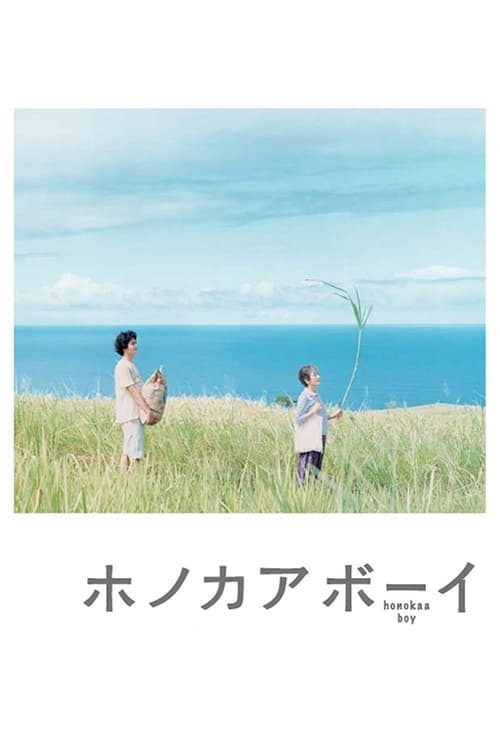
Honokaa Boy presents a multicultural landscape by blending Japanese and Caucasian identities within a Hawaiian setting. This approach explores how different ethnicities interact in a localized context, moving beyond homogeneous social structures. The film also challenges traditional romantic norms by centering on an age-gap relationship, placing an older woman in a position of romantic ability to act. This subverts conventional power dynamics and social hierarchies. However, the narrative lacks broader systemic critiques or diverse identity-based ability to act, focusing narrowly on specific representations.
Category Breakdown
The film centers on a romantic relationship between a young man and an older woman, focusing on age-gap dynamics rather than LGBTQ+ identities. There is no clear evidence of LGBTQ+ ability to act or representation.
An older woman named Maray plays a central role, disrupting traditional gender hierarchies and challenging conventional views on age and maturity. Her presence highlights the complexity of gender roles and social status.
The story includes a Japanese man and a Japanese-Caucasian woman, blending ethnic identities. Set in Hawaii, the film explores multiculturalism and the interactions between East Asian and Pacific cultures.
The narrative moves from Japan to Hawaii, highlighting themes of displacement and cultural blending. The setting provides a backdrop for exploring subjective experiences outside structured academic environments.
There is no evidence of physical or neurodivergent characters within the narrative.
Present on Screen
Limited or Absent
Official Synopsis
Leo, a young Japanese college student, travels to Hawaii and eventually falls in love with Maray, an older Japanese-Caucasion woman.
2009

2009
2017

2014

2005

2004

2003
2001
No reviews yet. Be the first to share your thoughts on this movie!
Use the rating form above to leave a star rating and optional review.