Penthouse
1933
No user ratings available yet
Diversity score: 2.8 out of 10
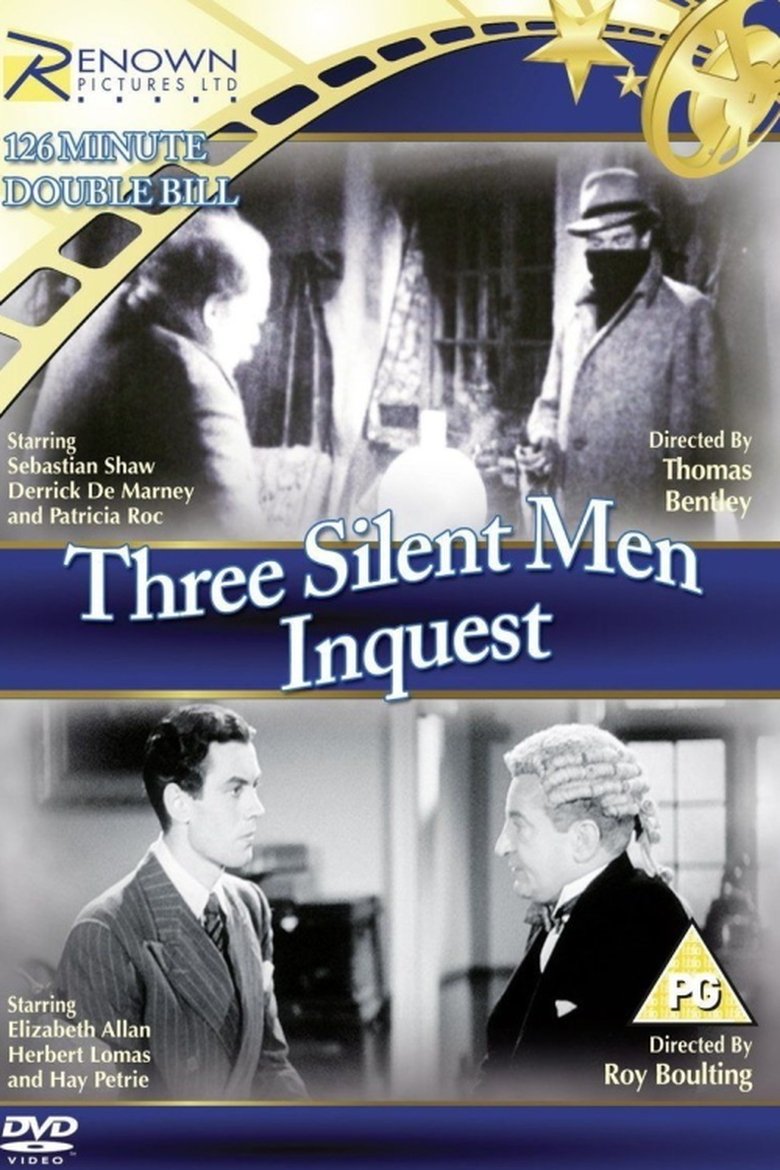
1939
Director
Roy Boulting
Runtime
60 minutes
Average Rating
No ratings yetSynopsis
A woman is suspected of killing her husband after a revolver is found in her attic. A coroner is determined to prove that she did it, but thanks to the assistance of a quick-witted lawyer she is eventually found innocent.
Overall Score
Limited
Category Breakdown
LGBTQ+ Representation
The film lacks any mention of queer identities or non-heteronormative narratives. It appears to adhere to the conventional social structures typical of 1939 cinema.
Gender Representation
A female protagonist provides central visibility, though she is framed through suspicion and legal vulnerability. Her agency is largely contested by male-dominated institutions like the coroner.
Racial & Ethnic Diversity
The narrative shows no evidence of a diverse or non-Anglo-Saxon cast. It reflects the homogeneous demographic norms common in British crime films of this era.
Religious & Cultural Diversity
The story focuses on the integrity of the legal and investigative process. It utilizes Western judicial and family institutions as the framework for resolving the central conflict.
Disability Representation
There is no information available regarding the portrayal of characters with physical or neurodivergent disabilities.
Strengths
Areas for Improvement
AI Analysis
Inquest is a traditional crime mystery that follows a standard procedural arc. The plot centers on a legal inquiry where a woman must prove her innocence against state-driven accusations. The film operates within the social and cinematic constraints of the late 1930s. It prioritizes a mystery resolution over the disruption of social hierarchies or the inclusion of intersectional identities. While the female lead is central to the plot, the power dynamics rely on traditional legal hierarchies. The narrative functions as a standard genre piece rather than a critique of systemic structures.
1933
1936

1985
1934
1946

1953

1948
1936

1929
1929
1932
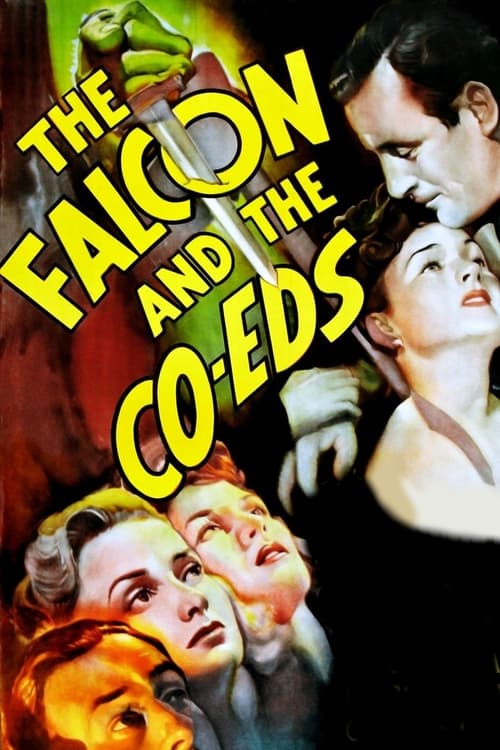
1943
No reviews yet. Be the first to share your thoughts on this movie!
Use the rating form above to leave a star rating and optional review.