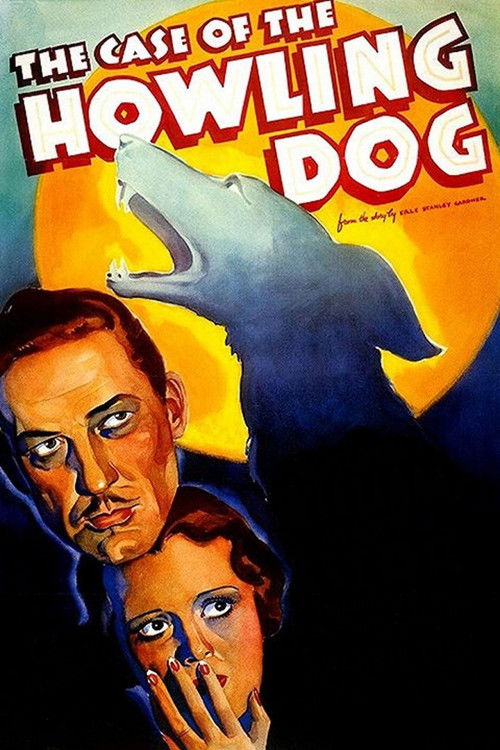
The Case of the Howling Dog
1934
No user ratings available yet
Diversity score: 1.8 out of 10
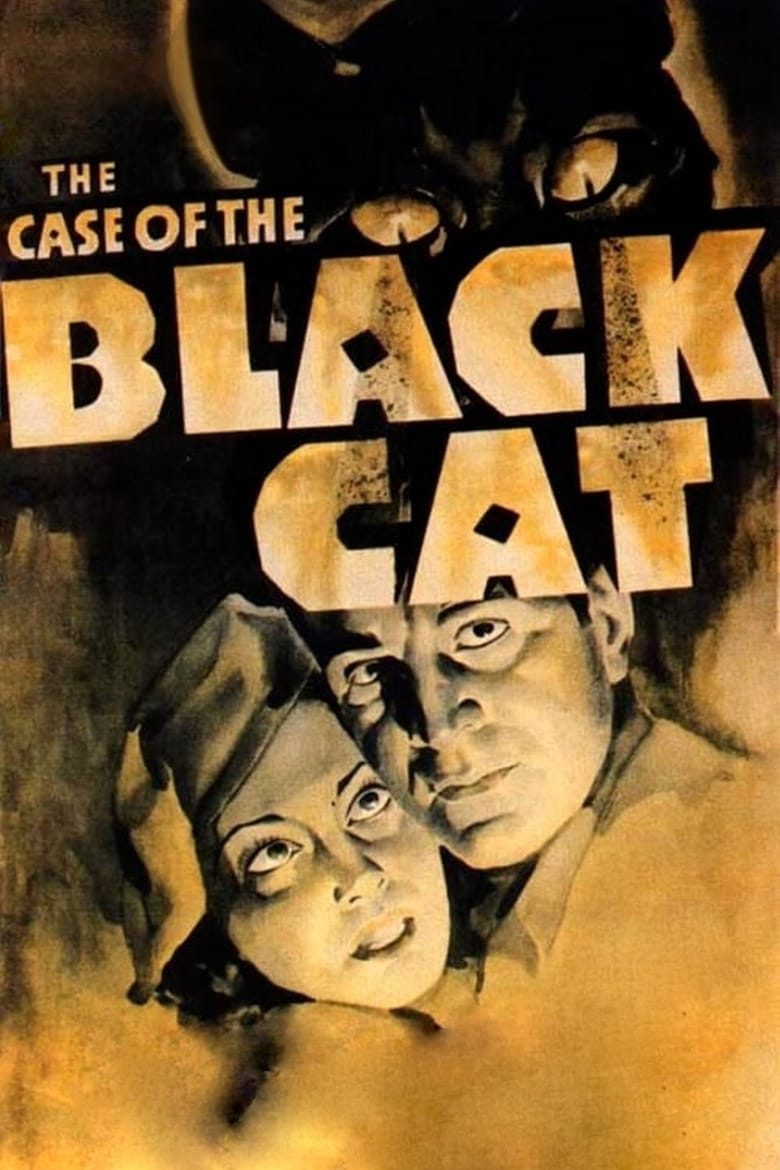
1936
NRDirector
William C. McGann
Runtime
66 minutes
Average Rating
No ratings yetSynopsis
Lawyer Perry Mason is summoned to the Laxter mansion in the dead of night to write granddaughter Wilma out of invalid Peter Laxter's will, to keep her from marrying suspected fortune hunter Doug. Peter dies in a mysterious fire and Laxter's two grandsons, Sam Laxter and Frank Oafley, inherit his estate on the condition old caretaker Schuster and his cat Clinker are kept on. When cat-hating Sam threatens Clinker, Perry steps in and learns Laxter's death was suspicious and the family fortune and diamonds are missing. Schuster's found dead in his basement apartment, Laxter's nurse Louise is murdered with Schuster's crutch, and circumstantial evidence brings Doug to trial for Louise's death. Mason's investigation produces a surprise witness who turns the trial around. Written by Sister Grimm
Overall Score
Limited
Category Breakdown
LGBTQ+ Representation
The film adheres to the heteronormative social frameworks of the 1930s. There is no evidence of non-cisnormative gender identities or same-sex intimacy within the narrative.
Gender Representation
Female characters like Wilma and Louise are central to the conflict but remain largely reactive. The plot reinforces traditional hierarchies where male legal authority drives the resolution.
Racial & Ethnic Diversity
The cast appears homogeneous, reflecting the era's lack of racial integration. There is no evidence of non-white or non-Anglo-Saxon majority casting in the production.
Religious & Cultural Diversity
The story functions as a traditional Western mystery focused on protecting private property. It emphasizes the efficacy of established legal institutions rather than critiquing them.
Disability Representation
A character uses a crutch, but it serves primarily as a functional plot device for the murder investigation. Disability is not portrayed with nuanced character agency.
Strengths
Areas for Improvement
AI Analysis
The film is a conventional 1930s mystery that operates strictly within the social and demographic constraints of its era. It prioritizes established narrative structures and traditional hierarchies over any subversion of cultural norms. While the plot involves central female figures, their roles are largely defined by their relationship to the male protagonist or their status as victims. The narrative focuses on the restoration of legal order and the protection of the Laxter estate. Ultimately, the production reflects a homogeneous social landscape. It lacks meaningful representation of diverse identities, instead utilizing specific character traits, such as physical disability, merely as tools to advance the mystery's mechanics.
1934
1933

1929
1932
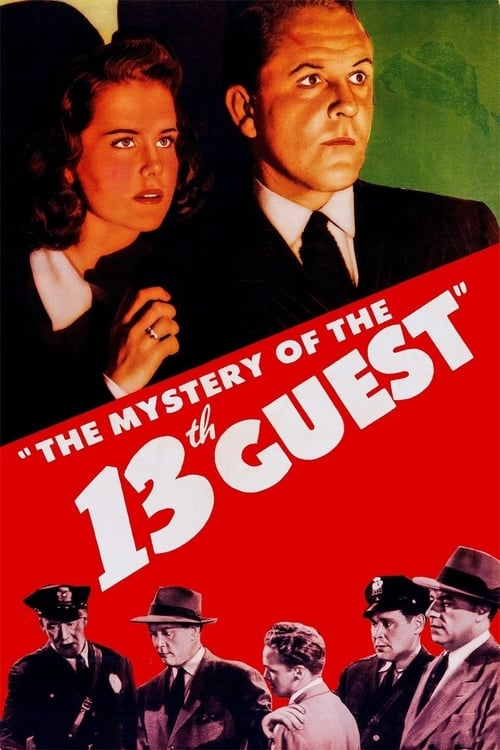
1943
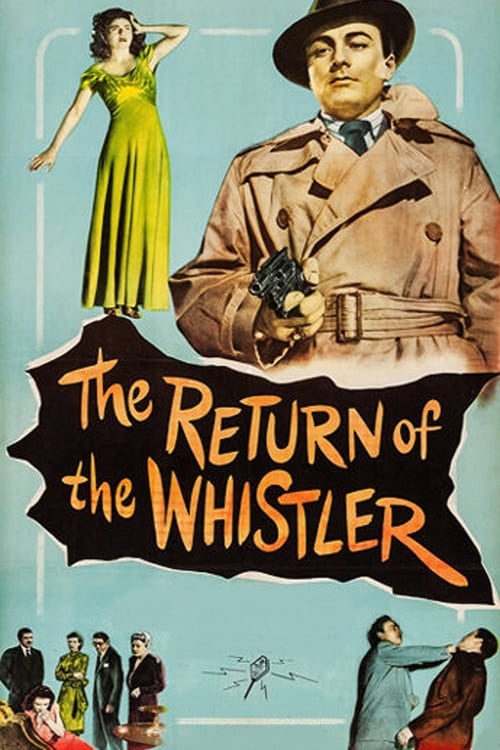
1948

1937
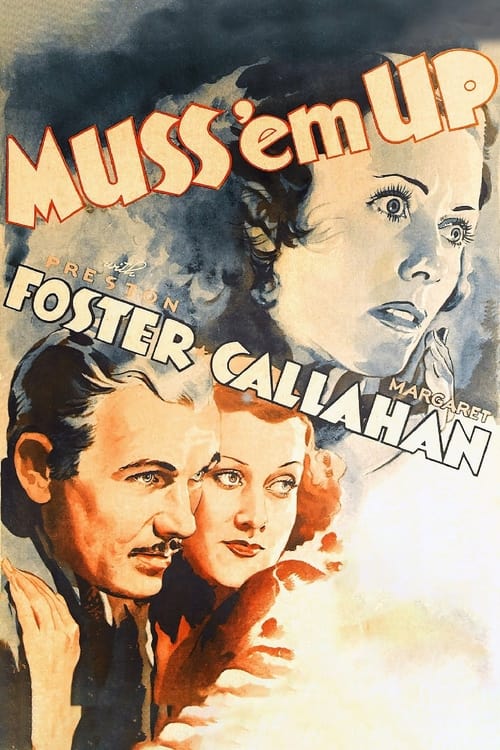
1936
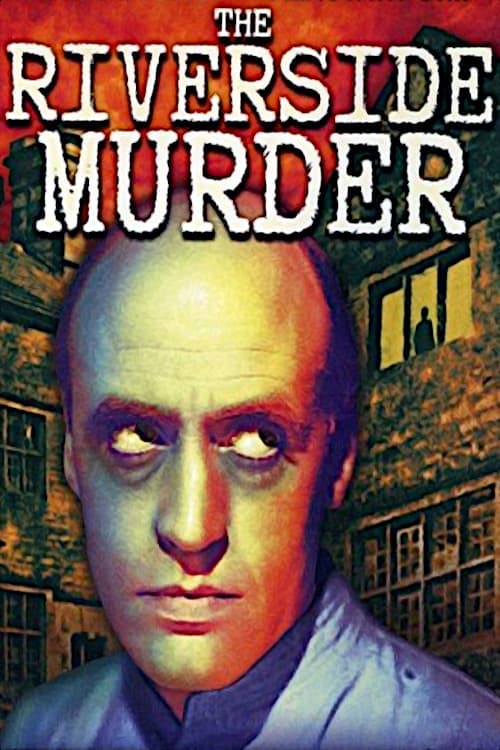
1935
1940
1946
1940
No reviews yet. Be the first to share your thoughts on this movie!
Use the rating form above to leave a star rating and optional review.