The Riverside Murder
1935
No user ratings available yet
Diversity score: 2.7 out of 10
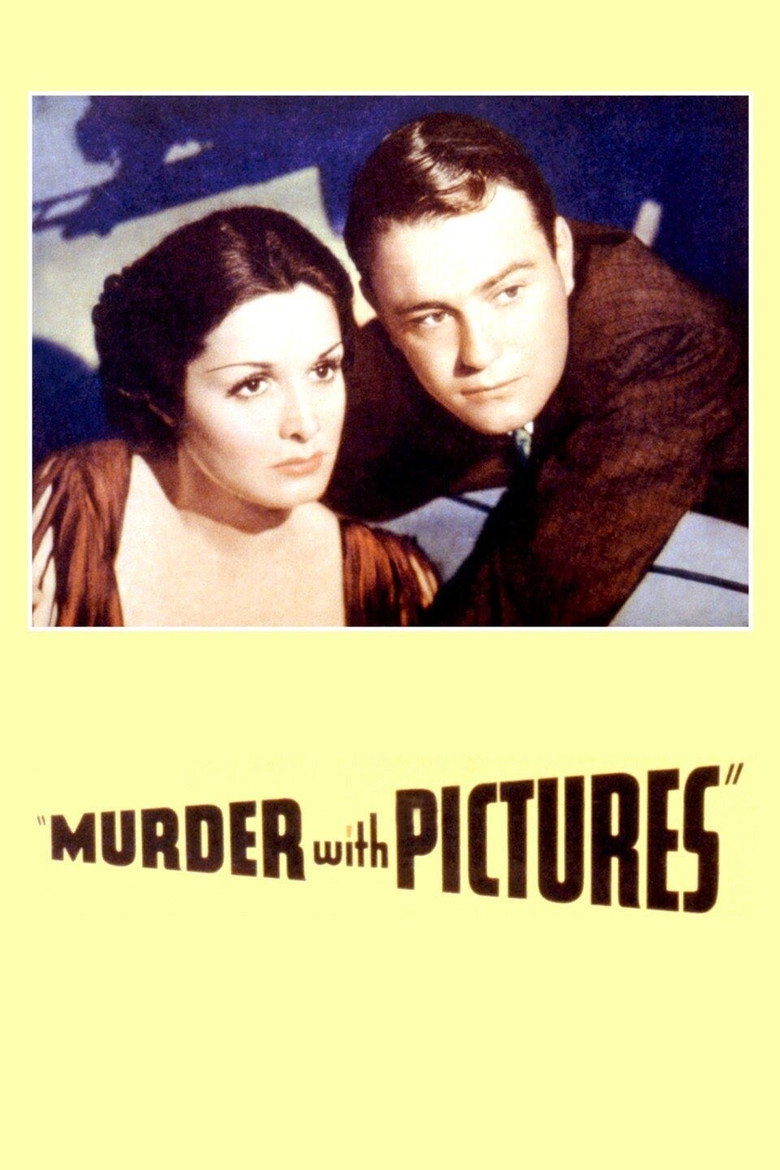
1936
Director
Charles Barton
Runtime
69 minutes
Average Rating
No ratings yetSynopsis
Suspected crime boss Nate Girard beats a murder rap, and newspaper photog Kent Murdock is on the story. Girard and lawyer Redfield throw a party for the news men where Murdock romances a mystery woman who confronted Girard in front of him, but Murdock's fiancée Hester shows up. After they return to his apartment, have a fight, and she leaves, the mystery woman slips in and begs for his help. Police Inspector Bacon and the cops show up, looking for the mystery woman; Murdock hides her. Murdock goes with the cops to discuss the murder the woman is suspected of. Bacon explains (in flashback) how some photogs were setting up a shot with Girard and Redfield. When the flashbulbs popped, Redfield keeled over dead and the woman, Meg Archer, fled while the newsmen ran out to phone their papers. The newsmen (who were rounded up later as thoroly as possible) are taken into police custody, except for Murdock (who wasn't at the scene), who is given a cap on the sly by rival McGoogin. Altho ...
Overall Score
Limited
Category Breakdown
LGBTQ+ Representation
The film follows a strictly heteronormative structure. The plot focuses on a romantic triangle between a man, his fiancée, and a mystery woman.
Gender Representation
Female characters function largely as plot catalysts or subjects of investigation. While Meg Archer shows some agency, the narrative remains centered on male perspectives.
Racial & Ethnic Diversity
The cast appears to follow the homogeneous casting patterns typical of 1936. There is no mention of non-white or non-Anglo-Saxon characters.
Religious & Cultural Diversity
The story reinforces Western institutions like the law and journalism. It prioritizes social stability and restorative justice over cultural critique.
Disability Representation
The film provides no evidence of characters with visible or invisible disabilities.
Strengths
Areas for Improvement
AI Analysis
Murder with Pictures is a quintessential product of the 1930s studio era, adhering to the rigid social hierarchies and moral structures of the time. The narrative is driven by traditional genre tropes, focusing on a male protagonist navigating romantic entanglements and criminal investigations. The film lacks meaningful intersectional representation. It operates within a narrow framework that reinforces established Western social orders, offering little to no subversion of the status quo regarding race, gender, or identity. Ultimately, the work serves as a standard mystery that prioritizes conventional storytelling over cultural diversity or the exploration of non-normative identities.
1935
1936

1929
1939
1934
1933
1953
1944
1940
1946
1946

1945
No reviews yet. Be the first to share your thoughts on this movie!
Use the rating form above to leave a star rating and optional review.