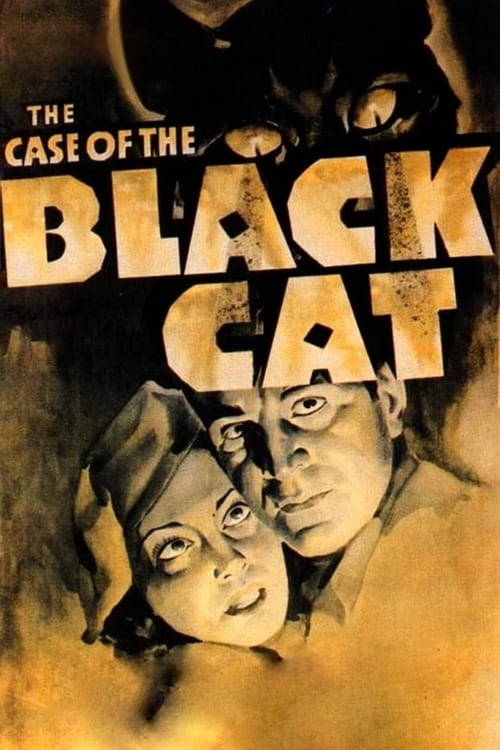
The Case of the Black Cat
1936
No user ratings available yet
Diversity score: 2.2 out of 10
1934
ApprovedDirector
Alan Crosland
Runtime
74 minutes
Average Rating
No ratings yetSynopsis
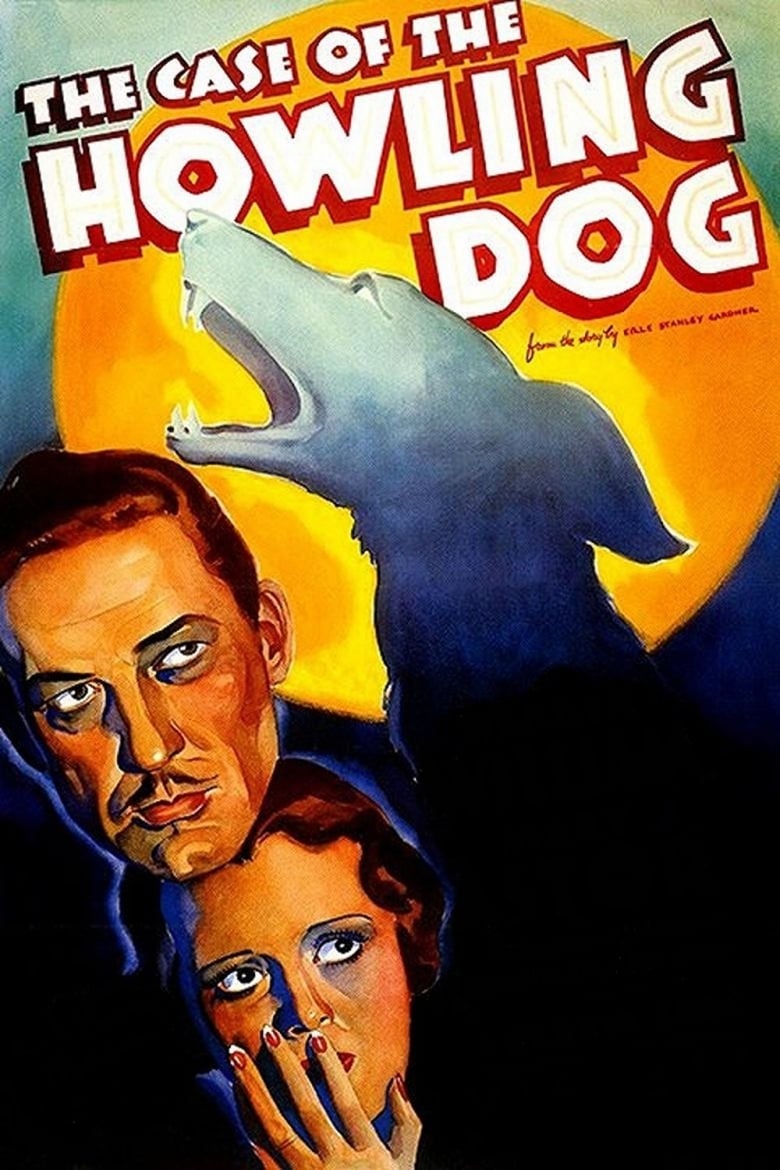
A very nervous man named Cartwright comes into Perry's office to have the neighbor arrested for his howling dog. He states that the howling is a sign that there is a death in the neighborhood. He also wants a will written giving his estate to the lady living at the neighbors house. It is all very mysterious and by the next day, his will is changed and Cartwright is missing, as is the lady of the house next door. Perry has a will and a retainer and must find out whether he has a client or a beneficiary.
Overall Score
Minimal
Category Breakdown
LGBTQ+ Representation
The film adheres to the heteronormative social structures typical of 1930s crime cinema. There is no evidence of same-sex intimacy or non-cisnormative identities within the mystery.
Gender Representation
The story centers on male characters, including the protagonist and the client. While a woman is central to the plot, her role is defined by her relationship to men and inheritance.
Racial & Ethnic Diversity
The narrative lacks visible intersectional representation or characters of color with high agency. It appears to reflect the homogeneous casting norms of the early sound era.
Religious & Cultural Diversity
The plot reinforces conventional views of capitalism and legal order through disputes over wills and estates. It operates strictly within traditional Western social institutions.
Disability Representation
The film provides no information regarding characters with visible or invisible disabilities. No instances of neurodivergence or physical disability are mentioned in the narrative.
Strengths
Areas for Improvement
AI Analysis
The film is a standard genre piece that prioritizes established mystery tropes over social commentary. It functions as a product of the 1930s studio system, focusing on property disputes and legalistic resolutions. Representation is minimal, with the narrative architecture favoring traditional hierarchies. The characters and themes reflect the era's mainstream social norms rather than any attempt to subvert them.
1936

1929
1940
1933
1943
1948
1936
1932
1944
1952
1929
1946
No reviews yet. Be the first to share your thoughts on this movie!
Use the rating form above to leave a star rating and optional review.