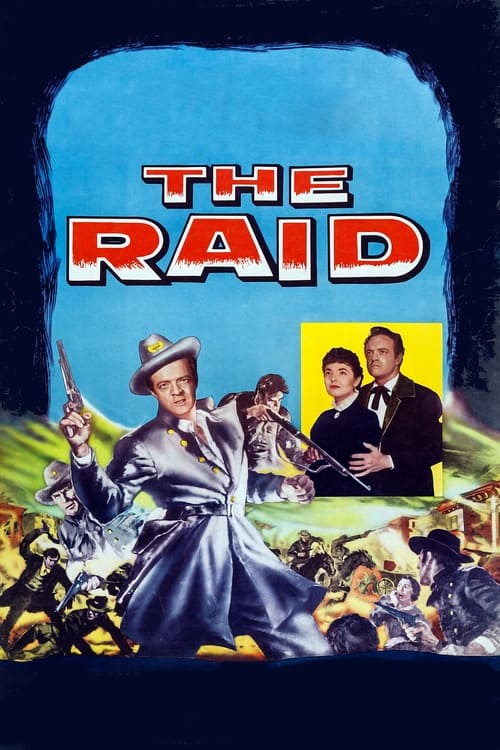
The Raid
1954
No user ratings available yet
Representation score: 1.7 out of 10
Representation Score
Minimal
1953
ApprovedDirector
William Castle
Runtime
73 minutes
Average Rating
No ratings yetNew Showbiz Analysis
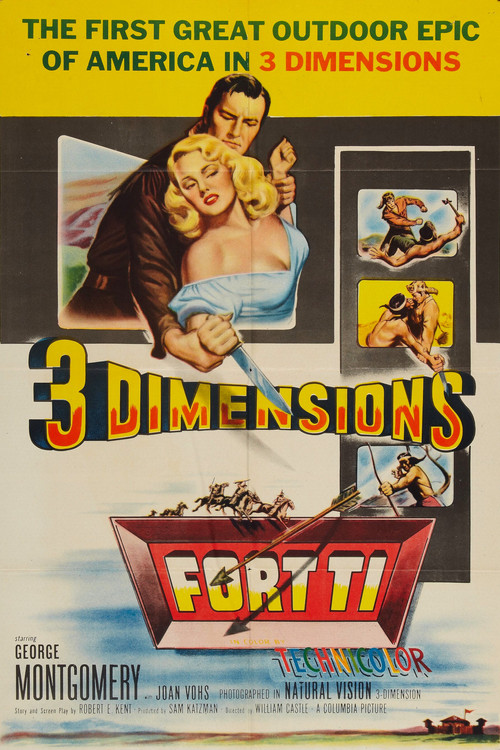
Fort Ti reflects its historical setting by reinforcing traditional social structures and colonial narratives. It sticks to the established norms of the 1950s, avoiding more complex, layered storytelling. The film leans heavily on typical Western clichés, emphasizing a male-dominated military unit and a stark racial divide. This approach neglects the depth needed for underrepresented groups, concentrating instead on defending colonial interests and military leadership.
Category Breakdown
The film does not include any LGBTQ+ characters or explore non-straight relationships. The world presented is strictly centered around the idea that everyone is straight.
Men hold nearly all the power in the story, controlling the military hierarchy. Women play minor roles and are not given the chance to drive the plot forward.
The story pits white heroes against Native American villains in a clear-cut conflict. Indigenous characters are shown mainly as threats to be overcome.
The plot focuses on military duty and the protection of colonial territories. It upholds mid-century views of patriotism and institutional strength.
There is no depiction of characters with disabilities. Characters are defined only by their ability to fight in frontier warfare.
Present on Screen
Limited or Absent
Official Synopsis
Set in the 18th century, the film recounts the exploits of Rogers' Rangers, a band of adventurers devoted to seeking out a "northwest passage" through Canada. At this juncture, however, Major Rogers is more concerned with helping the British forces at Fort Ticonderoga during a series of French and Indian raids. Fort Ti was filmed in 3D, and in typical William Castle fashion the stereoscopic gimmick is exploited to the hilt.
1954
1992
1940
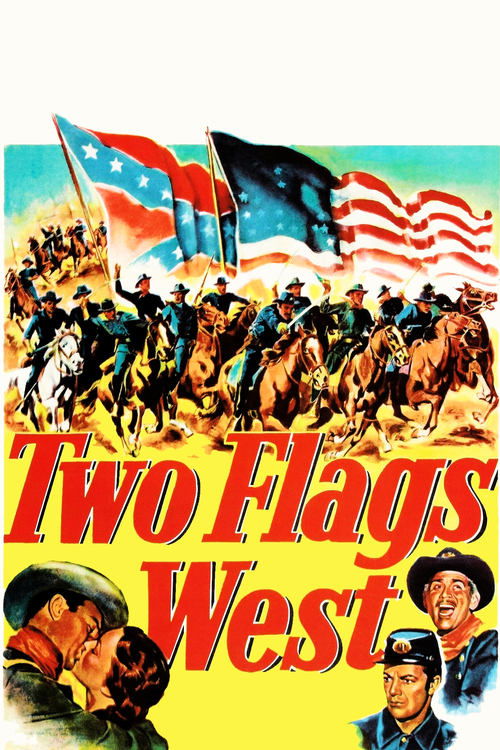
1950
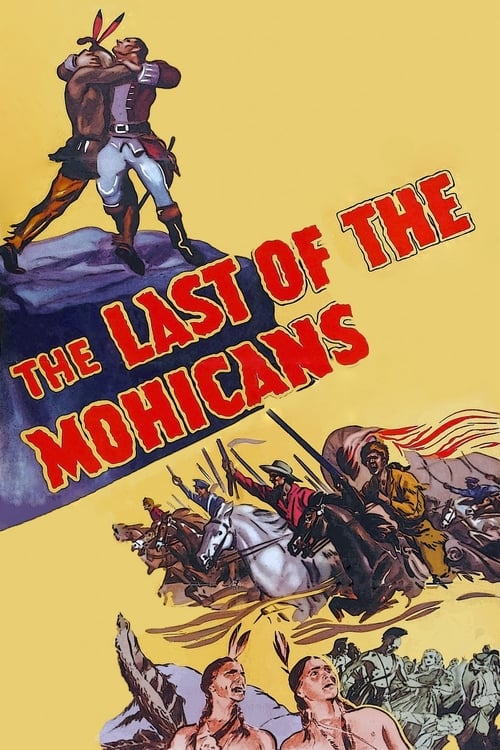
1936
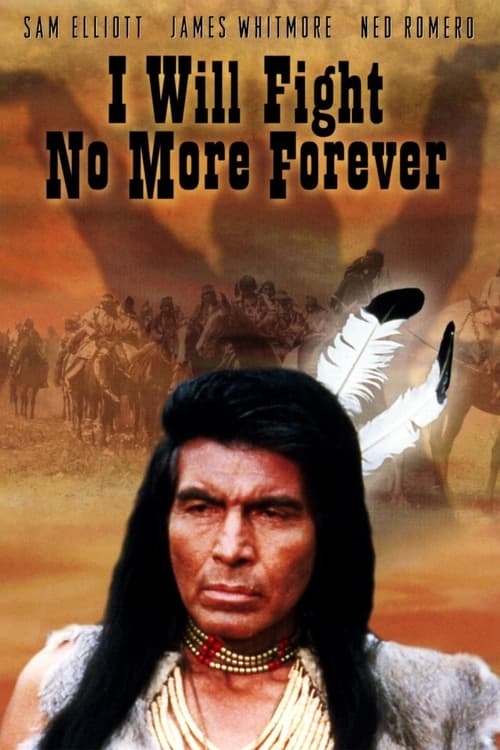
1975
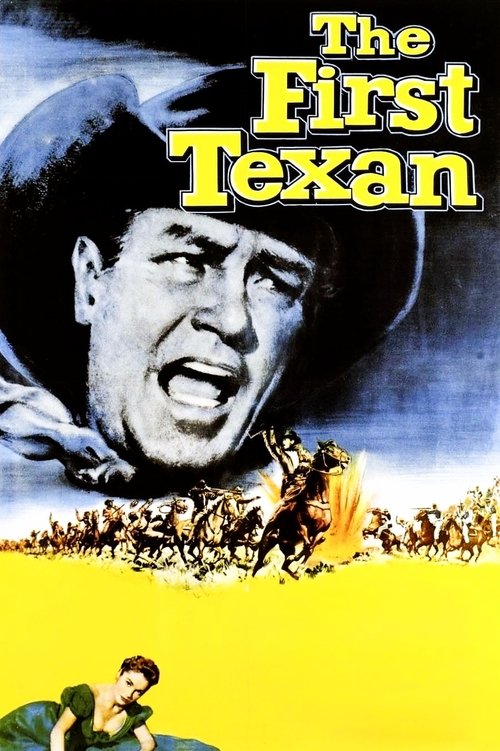
1956
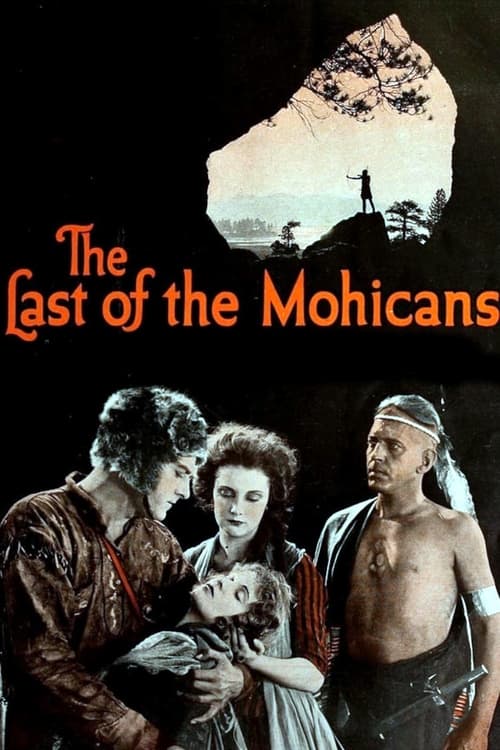
1920
No reviews yet. Be the first to share your thoughts on this movie!
Use the rating form above to leave a star rating and optional review.