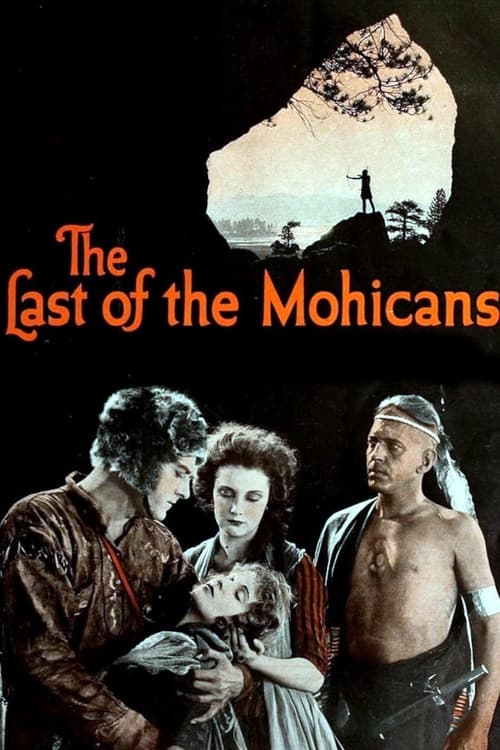
The Last of the Mohicans
1920
No user ratings available yet
Representation score: 0.5 out of 10
Representation Score
Minimal
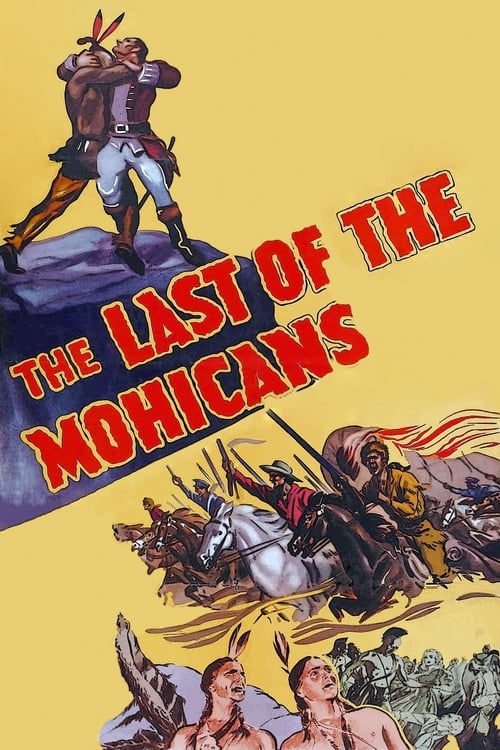
1936
NRDirector
George B. Seitz
Runtime
91 minutes
Average Rating
No ratings yetNew Showbiz Analysis
This 1936 adventure drama is a quintessential product of its time, prioritizing traditional heroism and established cinematic archetypes. While it includes Indigenous elements necessary to the historical setting, the film lacks complexity in representing multiple aspects of identity. The narrative architecture reinforces conventional social hierarchies, centering on colonial power dynamics and masculine control. Ultimately, the film functions as a standard historical war drama that maintains the status quo of 1930s storytelling rather than exploring nuanced social perspectives.
Category Breakdown
The film does not include any representation of LGBTQ+ identities, sticking to the assumption that everyone is straight or cisgender. The romantic and social dynamics follow the expectations typical of 1930s studio productions.
Female characters play minor roles, often serving as passive objects of protection or catalysts for conflict. The narrative relies on the cliché of women being rescued, reinforcing a patriarchal structure.
Indigenous characters provide ethnic presence, but the perspective remains Eurocentric. The story focuses on the colonial struggle between British and French powers on the frontier.
The film operates within a traditional Western framework emphasizing colonial affiliations. It does not challenge the prevailing social or religious norms of the era.
There is no evidence of characters with visible or invisible disabilities. The narrative focuses almost exclusively on physical prowess and survivalist capabilities.
Present on Screen
Limited or Absent
Official Synopsis
The story is set in the British province of New York during the French and Indian War, and concerns—in part—a Huron massacre (with passive French acquiescence) of between 500 to 1,500 Anglo-American troops, who had honorably surrendered at Fort William Henry, plus some women and servants; the kidnapping of two sisters, daughters of the British commander; and their rescue by the last Mohicans.
1920

1939
1992
1964
1965
1993
1947

1943
No reviews yet. Be the first to share your thoughts on this movie!
Use the rating form above to leave a star rating and optional review.