Fort Yuma Gold
1966
No user ratings available yet
Representation score: 3.8 out of 10
Representation Score
Minimal
1954
NRDirector
Hugo Fregonese
Runtime
83 minutes
Average Rating
No ratings yetNew Showbiz Analysis
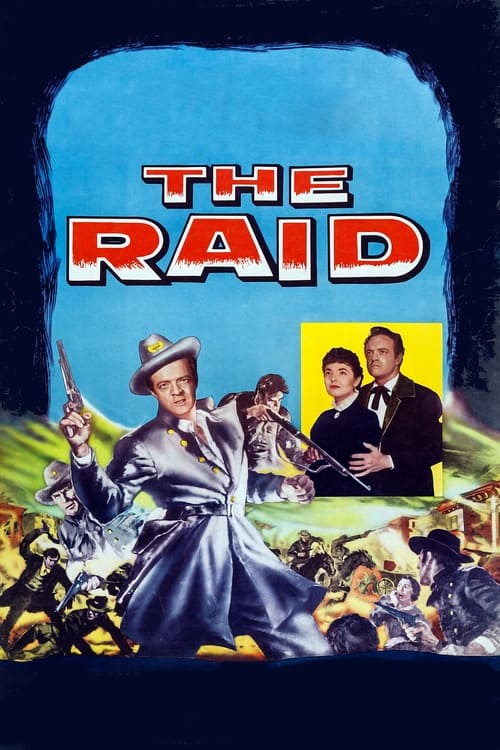
The Raid serves as a transitional Western that subtly disrupts genre clichés through its director's international perspective. While it avoids the most monolithic presentations of the frontier, it remains firmly anchored in the social hierarchies of the 1950s. The film's strength lies in its potential for demographic variety, likely influenced by Hugo Fregonese's Argentine background. However, this is offset by a rigid adherence to traditional gender roles and a lack of multi-layered complexity. Ultimately, the work functions as a study of communal defense and traditional family units. It prioritizes the protection of the domestic sphere over any systemic critique of authority or identity.
Category Breakdown
The film does not include any LGBTQ+ characters or explore non-straight relationships. The interpersonal dynamics focus solely on traditional romantic and familial structures.
The narrative relies on masculine archetypes of combat and leadership. While a widow adds emotional stakes, the story primarily revolves around male characters.
Fregonese’s international influence introduces a more diverse cast compared to typical mid-century Westerns, suggesting a break from homogeneous white casting.
The story upholds traditional Western values and emphasizes communal duty. It focuses on protecting local institutions rather than critiquing religion or social structures.
There are no prominent depictions of visible or invisible disabilities. No character arcs are driven by disability within the narrative.
Present on Screen
Limited or Absent
Official Synopsis
A group of confederate prisoners escape to Canada and plan to rob the banks and set fire to the small town of Saint Albans in Vermont. To get the lie of the land, their leader spends a few days in the town and finds he is getting drawn into its life and especially into that of an attractive widow and her son.
1966

1939
1969
1965
1968
1971
1950

1967
No reviews yet. Be the first to share your thoughts on this movie!
Use the rating form above to leave a star rating and optional review.