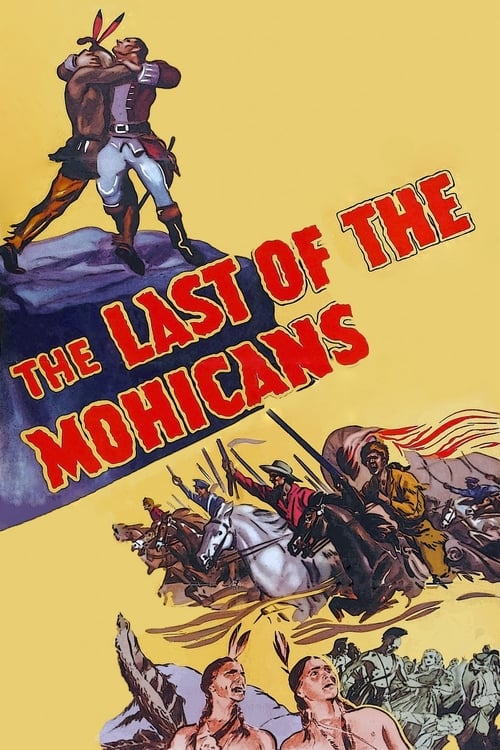
The Last of the Mohicans
1936
No user ratings available yet
Representation score: 0.9 out of 10
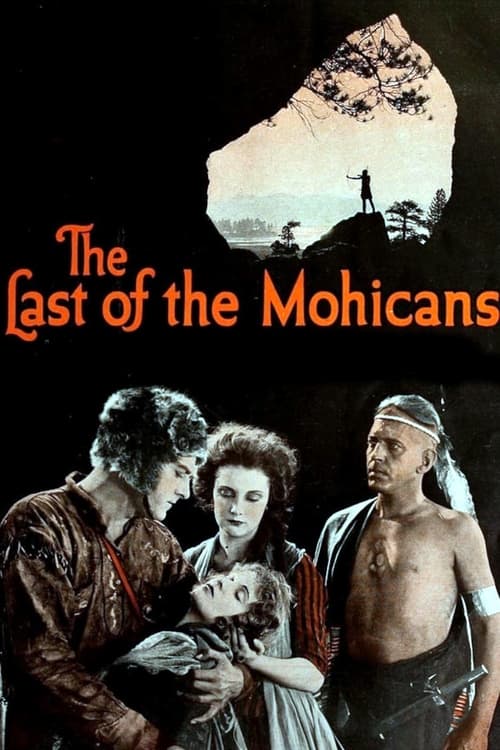
Representation Score
Minimal
1920
NRDirector
Maurice Tourneur
Runtime
73 minutes
Average Rating
No ratings yetNew Showbiz Analysis
Maurice Tourneur’s silent adventure adheres to the traditionalist and colonialist hierarchies of its time. The film lacks complexity in representing diverse identities, prioritizing historical romanticism over social depth. Representation is hindered by regressive casting practices and rigid gender roles. The narrative structure reinforces established social norms without challenging them. Ultimately, the film reflects its historical context, focusing on masculine-driven conflict and Western frontier expansion.
Category Breakdown
There are no identifiable LGBTQ+ characters or non-assuming gender matches what was assigned at birth identities in the film. Romantic subplots strictly adhere to the heterosexual norms of the early 20th century.
Female protagonists Cora and Alice Munro mainly serve as passive subjects, acting as catalysts for masculine conflict rather than driving the narrative independently.
White actors portray Native Americans, reinforcing colonialist stereotypes instead of providing authentic representation for Indigenous characters.
The story is set within a traditional Western framework of colonial expansion, presenting frontier warfare through a lens of historical romanticism without deconstructing Western institutions.
No characters with visible or invisible disabilities are central to the story. Disability is neither used as a plot device nor for mockery.
Present on Screen
Limited or Absent
Official Synopsis
As Alice and Cora Munro attempt to find their father, a British officer in the French and Indian War, they are set upon by French soldiers and their cohorts, Huron tribesmen led by the evil Magua. Fighting to rescue the women are Chingachgook and his son Uncas, the last of the Mohican tribe, and their white ally, the frontiersman Natty Bumppo, known as Hawkeye.
1936
1991
1965
1979
1932
2015
1965
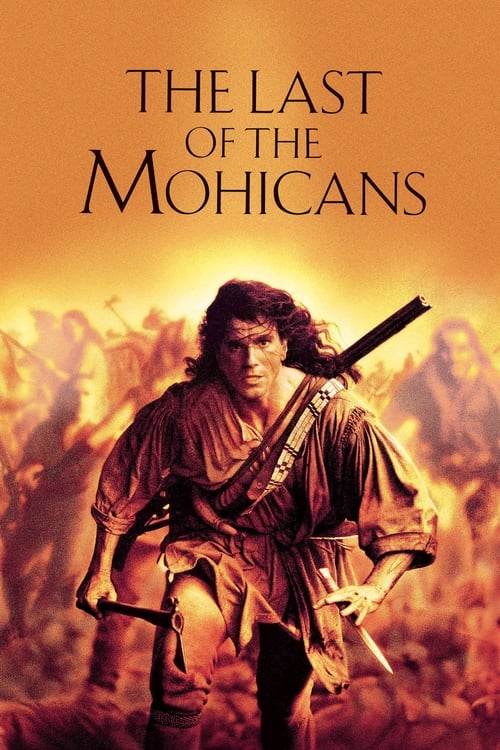
1992
No reviews yet. Be the first to share your thoughts on this movie!
Use the rating form above to leave a star rating and optional review.