Perfectly Normal
1991
No user ratings available yet
Representation score: 3.6 out of 10
Representation Score
Fair
1998
Not RatedDirector
Kenneth Yee
Runtime
97 minutes
Average Rating
No ratings yetNew Showbiz Analysis
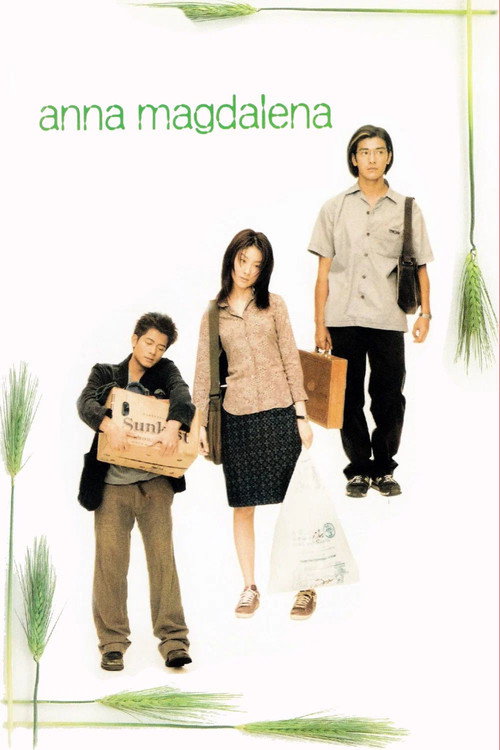
Anna Magdalena functions as a character-driven romantic comedy that uses musicality to bridge cultural gaps. The film occupies a niche space, likely deviating from standard Hollywood models through its specific directorial lens and the integration of Western classical traditions. While the film offers potential for nuanced storytelling, it remains tethered to certain conventional structures. The central conflict relies on a traditional romantic pursuit, which may limit the depth of its gender and identity explorations. Ultimately, the work presents a moderate level of diversity. It succeeds in using high art to explore human connections, though it lacks explicit evidence of broader social or identity-based representation.
Category Breakdown
The plot revolves around two men pursuing the same woman, creating a framework for exploring complex relationship dynamics. However, there is no explicit confirmation of queer identities or same-sex intimacy within the narrative.
The female lead serves as the central catalyst for the plot through her musical practice. While her art provides her with a significant role in driving the story, the framing of her as an object of desire risks following traditional romantic clichés.
The production likely utilizes a multicultural or Asian-diasporic lens through its directorial background. The blending of Western classical music with this perspective suggests a disruption of monolithic high-art presentations.
The film uses classical music as a primary symbol to prioritize aesthetic experience. This approach suggests a secular, postmodern focus on individual passion rather than rigid religious frameworks.
The film provides no information regarding neurodivergence, physical disability, or chronic illness.
Present on Screen
Limited or Absent
Official Synopsis
Two young men fall for the woman staying upstairs when she practises J.S. Bach's "Notebook for Anna Magdalena".
1991
1989
2017
2004

2018
1991

2004

2006
No reviews yet. Be the first to share your thoughts on this movie!
Use the rating form above to leave a star rating and optional review.