Once Upon A Mattress
2005
No user ratings available yet
Representation score: 0.7 out of 10
Representation Score
Limited
2000
PGDirector
Kenneth Branagh
Runtime
93 minutes
Average Rating
No ratings yetNew Showbiz Analysis
Kenneth Branagh's adaptation is a study in contrasts. While visually and culturally traditional, it finds progressive ground by challenging male authority. The film's strength lies in its intellectual subversion of gendered power dynamics. However, the production is limited by its strict adherence to historical homogeneity. The lack of racial diversity and LGBTQ+ representation keeps the film firmly rooted in a traditionalist, Eurocentric framework. Ultimately, the film succeeds as a comedy of manners that empowers its female ensemble, even as it maintains a narrow demographic scope.
Category Breakdown
The film follows traditional heterosexual relationships and does not include any non-cisgender identities or same-sex relationships.
Female characters drive the plot through their superior wit and practical thinking. The narrative challenges traditional hierarchies by showing male protagonists as comically incompetent.
Casting is primarily homogeneous, reflecting a traditional Renaissance European aristocracy. The production does not use actors from diverse backgrounds.
The story focuses on courtly etiquette and interpersonal relationships. It subtly questions rigid social structures without directly criticizing institutions.
There are no visible or invisible disabilities that play a central role in the character arcs or narrative devices.
Present on Screen
Limited or Absent
Official Synopsis
A scholarly king and his three companions swear off the society of women for three years, only to have a diplomatic visit from a French princess and her three ladies-in-waiting thwart their intentions.
2005
1993
1983
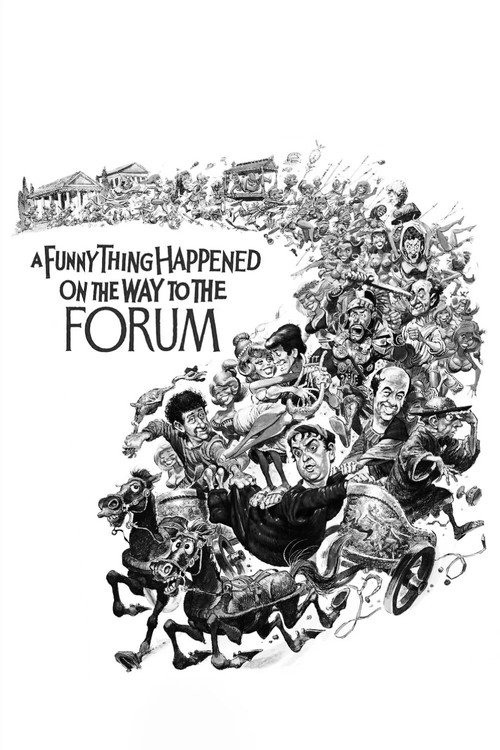
1966
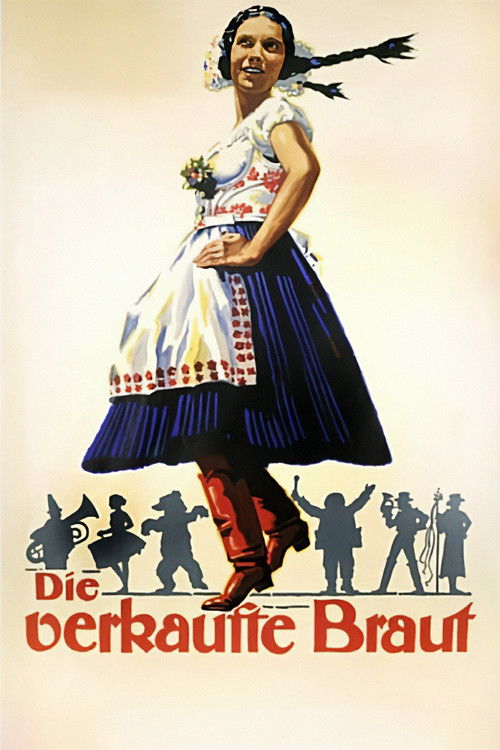
1932
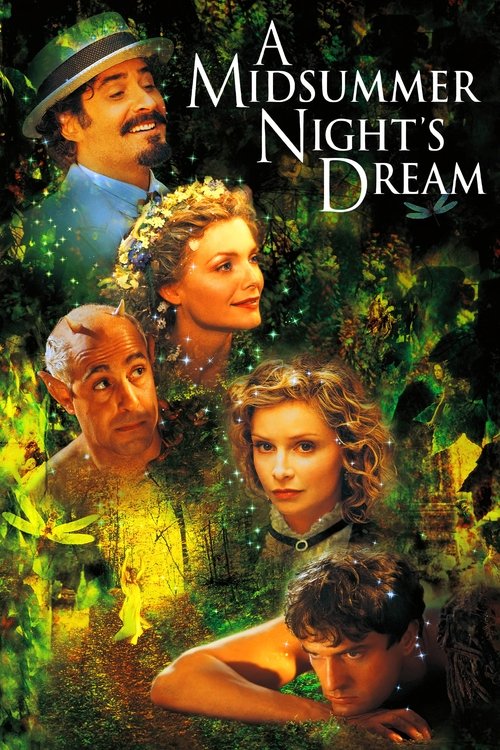
1999
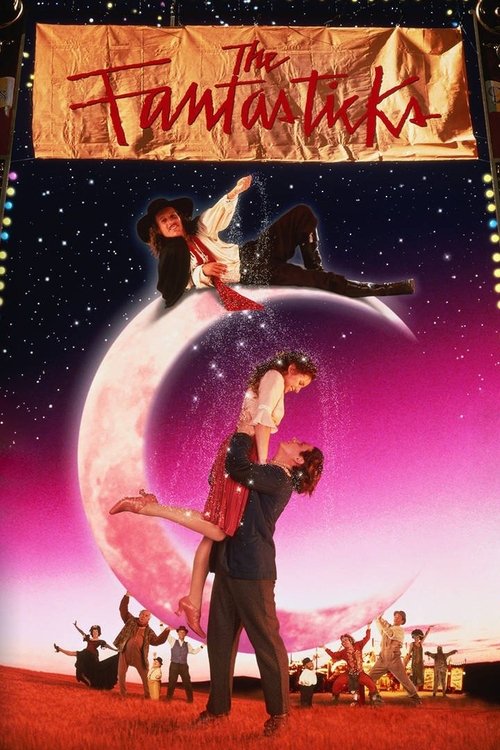
2000
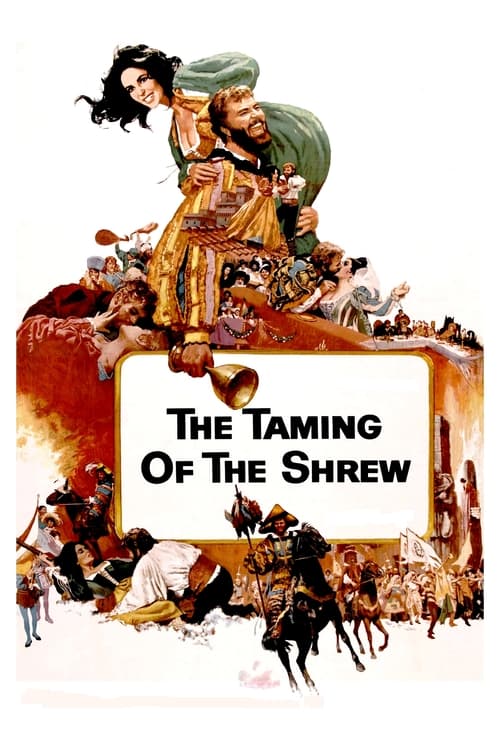
1967
No reviews yet. Be the first to share your thoughts on this movie!
Use the rating form above to leave a star rating and optional review.