
The Merry Widow
1934
No user ratings available yet
Diversity score: 3.4 out of 10
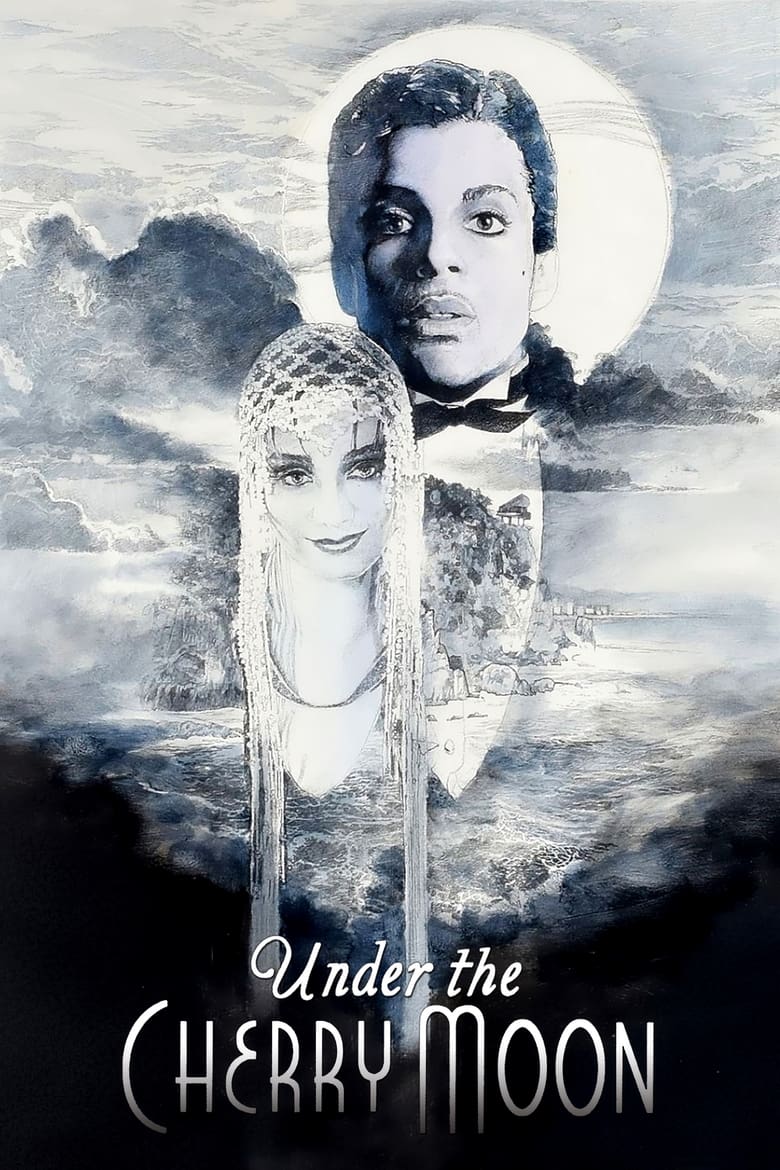
1986
PG-13Director
Prince
Runtime
100 minutes
Average Rating
No ratings yetSynopsis
Two friends from Miami are in the French Riviera enjoying life by scamming money off of rich women. One day, they read about a young woman set to inherit $50 million from her father. At first, Tricky has Christopher Tracy talked into romancing her for her money, but in getting to know her, Christopher falls in love with her. This love comes between the brothers, and Tricky tells about the plan.
Overall Score
Good
Category Breakdown
LGBTQ+ Representation
Prince’s performance disrupts gender binaries by portraying a female protagonist. While it lacks explicit queer romantic subplots, the gender-bending approach challenges traditional identity perceptions.
Gender Representation
The film subverts traditional hierarchies by decoupling gender from biological essentialism. Masculinity and femininity are presented as performative elements within a postmodern, dreamlike aesthetic.
Racial & Ethnic Diversity
A Black lead occupies a role traditionally reserved for white actresses in period pieces. This casting choice serves as a deliberate reclamation of the screen.
Religious & Cultural Diversity
The narrative prioritizes aesthetic experience and personal expression over traditional Western storytelling. It functions as a surrealist exploration rather than a systemic critique.
Disability Representation
There are no prominent depictions of physical or neurodivergent disabilities. The film neither utilizes disability as a plot device nor provides meaningful representation.
Strengths
Areas for Improvement
AI Analysis
Under the Cherry Moon stands as a radical work of narrative disruption. Prince uses his directorial debut to challenge conventional cinematic structures through a highly stylized, avant-garde lens. The film's strength lies in its ability to blur the lines of identity. By casting a Black man in a female-centric role, it simultaneously disrupts racialized casting norms and deconstructs the traditional male gaze. However, the film's impact is somewhat limited by its focus on individual subjectivity. While it excels at postmodern performance, it lacks broader systemic critiques or explicit queer narratives.
1934

1998
1998
1968

2004
1965
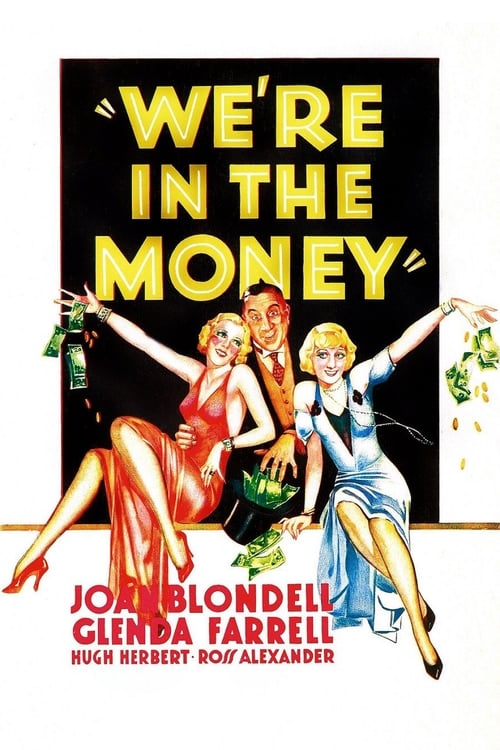
1935
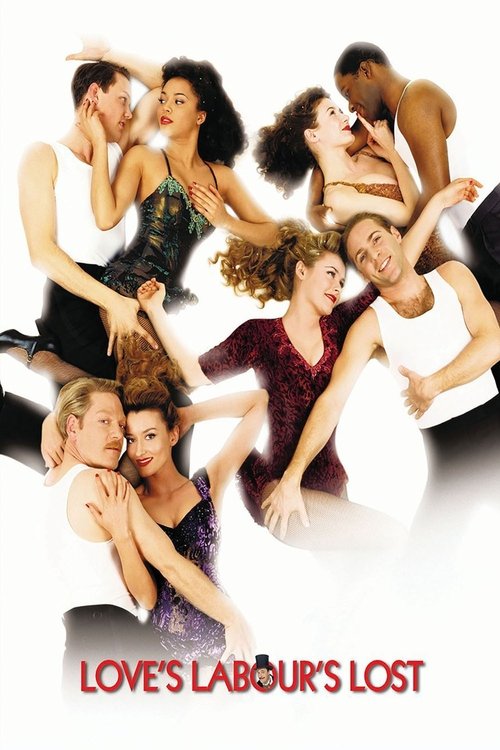
2000
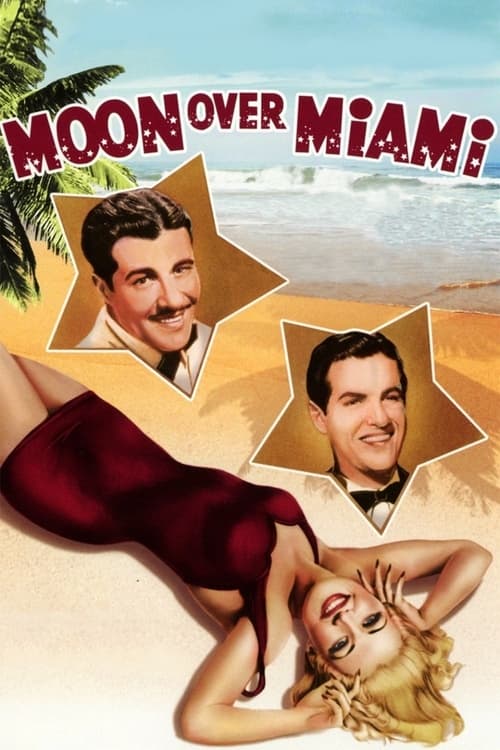
1941
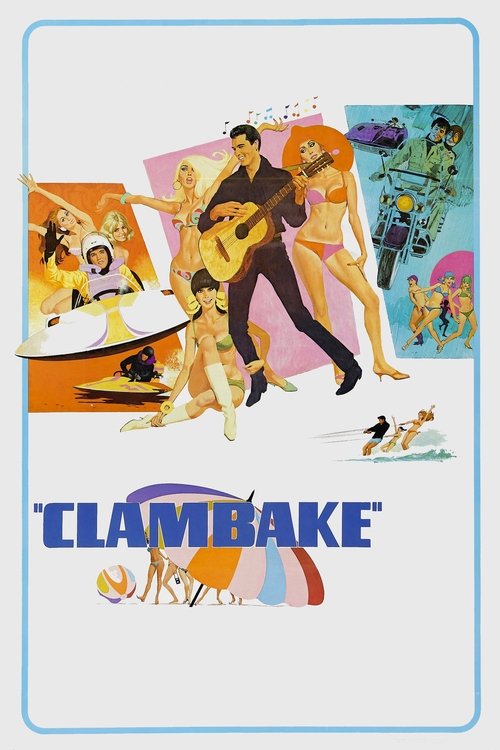
1967
2000
No reviews yet. Be the first to share your thoughts on this movie!
Use the rating form above to leave a star rating and optional review.