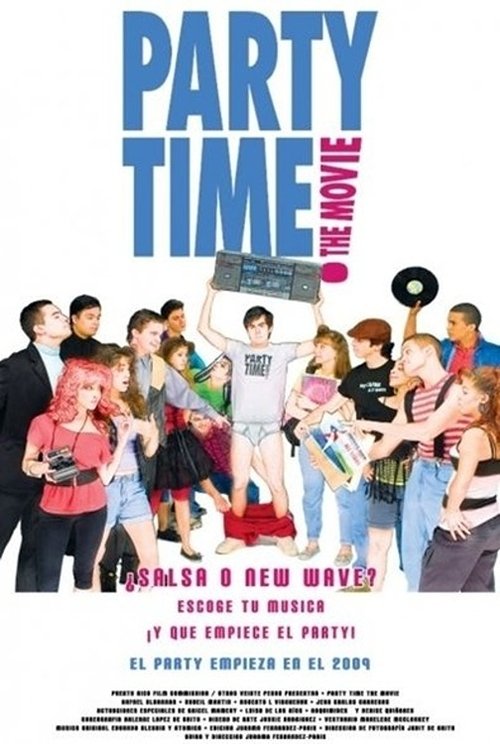
Party Time: The Movie
2009
No user ratings available yet
Diversity score: 6.5 out of 10
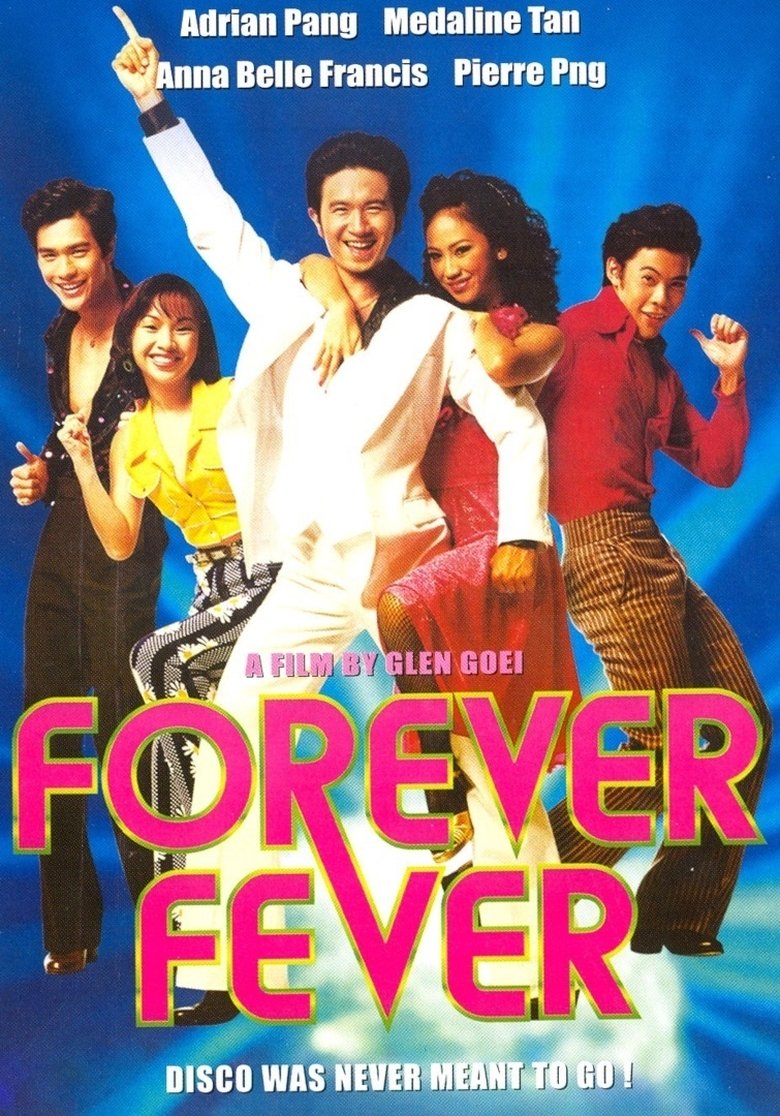
1998
Director
Glen Goei
Runtime
95 minutes
Average Rating
No ratings yetSynopsis
Kung Fu meets disco in Singapore. Hock is a grocery clerk longing for a motorbike. He lives with his parents and sister; they idolize his younger brother, Beng, a medical student calling himself Leslie. Hock loves Bruce Lee; he works out and imitates his moves. When Hock sees a cheesy local version of "Saturday Night Fever," he gets the disco bug, taking his pal Mei to nightly lessons in hopes of winning a contest and buying the bike. He's blind to Mei's falling in love with him, and, at the last minute asks another woman to be his partner in the contest. Meanwhile, Beng reveals a personal secret to his family and a crisis ensues. Hock, Beng, Mei and her rival: it's Night Fever.
Overall Score
Fair
Category Breakdown
LGBTQ+ Representation
The film lacks explicit LGBTQ+ characters or narratives. Romantic elements follow conventional structures, focusing on traditional relationship dynamics.
Gender Representation
The story offers a moderate subversion of masculinity. The protagonist shifts from rigid martial arts archetypes toward the expressive, rhythmic vulnerability of disco dance.
Racial & Ethnic Diversity
The film excels by centering a Singaporean narrative and Asian cast. It reclaims Western disco tropes through a localized, non-Western lens.
Religious & Cultural Diversity
The narrative explores a shift from traditional values toward modern, consumer-driven sensibilities. It highlights the tension between old disciplines and globalized lifestyles.
Disability Representation
There is no evidence of characters with visible or invisible disabilities within the narrative.
Strengths
Areas for Improvement
AI Analysis
Forever Fever serves as a study of cultural synthesis, blending Asian identity with Western pop culture. It succeeds by de-centering Anglo-Saxon musical tropes, presenting a localized version of global phenomena. The film's primary impact is its subversion of masculine archetypes. By moving the protagonist from kung fu worship to disco, it challenges static definitions of male strength. However, the film remains within the bounds of conventional romantic-comedy frameworks. It lacks engagement with queer identities or radical social restructuring, focusing instead on individualistic, modern consumerism.
2009

1998
2017

2011

2016
2004
1986
1978
2000
No reviews yet. Be the first to share your thoughts on this movie!
Use the rating form above to leave a star rating and optional review.