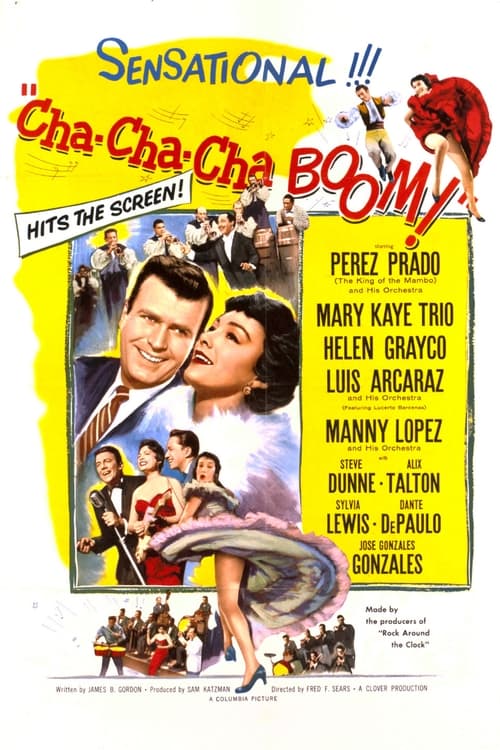
Cha-Cha-Cha Boom!
1956
No user ratings available yet
Representation score: 1.9 out of 10
Representation Score
Minimal
1965
NRDirector
Frederick de Cordova
Runtime
97 minutes
Average Rating
No ratings yetNew Showbiz Analysis
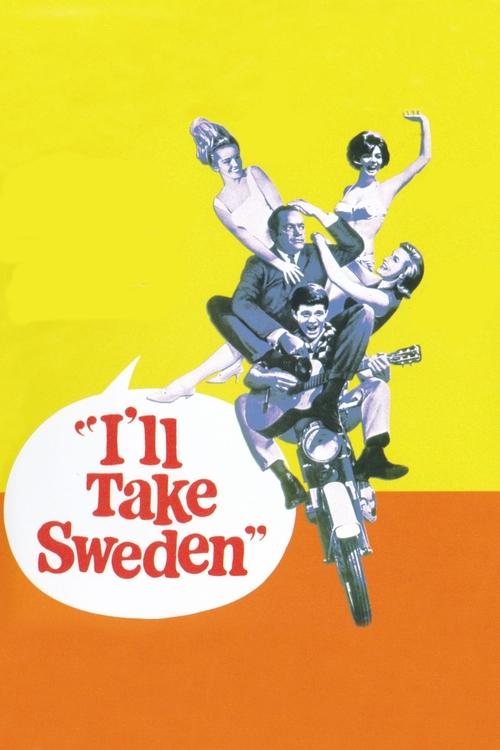
I'll Take Sweden is a traditional romantic comedy from the 1960s that upholds conventional social structures, particularly those centered around patriarchal families and traditional gender roles. The narrative focuses on domestic conflicts and parental authority, lacking any multi-layered complexity or diverse representation.
Category Breakdown
The film follows traditional romantic storylines typical of the 1960s, with no representation of LGBTQ+ identities or non-cisgender identities.
The plot revolves around a father trying to control his daughter's marriage, reflecting patriarchal norms. However, JoJo asserts her independence, showing a shift in the narrative focus towards her personal goals.
The film adheres to the casting practices of its time, featuring a predominantly white cast without any indication of racial or ethnic diversity.
The story employs a fish-out-of-water cliché, emphasizing traditional family values and conventional courtship norms. It highlights the importance of the nuclear family structure.
There is no visible representation or mention of characters with physical or neurodivergent disabilities in the film.
Present on Screen
Limited or Absent
Official Synopsis
Bob Holcomb will do anything to stop his daughter JoJo from tying the knot with her lazy boyfriend, even move her all the way to Sweden! But once they're "safely" out of the country, JoJo falls for a sly Swedish playboy.
1956

1966

1965
1967

1961

1952
1968
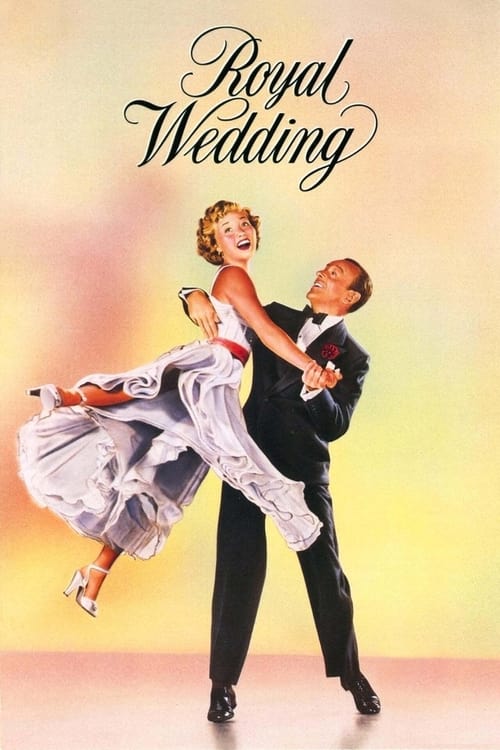
1951
No reviews yet. Be the first to share your thoughts on this movie!
Use the rating form above to leave a star rating and optional review.