
Was geschah in dieser Nacht?
1941
No user ratings available yet
Diversity score: 2.9 out of 10
No Poster Available
1949
Director
Theo Lingen
Runtime
73 minutes
Average Rating
No ratings yetSynopsis
Just as the equally renowned lawyer Dr. Bratt is about to close his practice to go on a well-deserved summer vacation, a man suddenly appears before him and claims that he cannot wait under any circumstances. Benno Paradis wants a divorce, and he wants it as soon as possible.
Overall Score
Limited
Category Breakdown
LGBTQ+ Representation
The narrative focuses on a request for divorce, implying a heteronormative marital structure. There is no evidence of non-cisnormative identities or critiques of heteronormativity.
Gender Representation
Male characters like Dr. Bratt and Benno Paradis drive the plot. While the title suggests a female lead, her agency remains undefined within the provided summary.
Racial & Ethnic Diversity
The film suggests a homogeneous cast consistent with 1949 European comedy. There is no indication of racial blending or non-Anglo-Saxon majority casting.
Religious & Cultural Diversity
The plot operates within traditional mid-century social and Western institutional norms. It lacks evidence of anti-capitalist sentiment or secularist prioritization.
Disability Representation
The synopsis contains no mention of characters with visible or invisible disabilities.
Strengths
Areas for Improvement
AI Analysis
Philine is a product of its era, reflecting the social and narrative hierarchies of 1949. The comedy centers on traditional legal and domestic structures, specifically the dissolution of a marriage through a lawyer. The film lacks intersectional representation, focusing instead on conventional male-driven conflicts. The narrative architecture adheres to the commercial and social norms of post-war German cinema, prioritizing situational comedy over social deconstruction.
1941
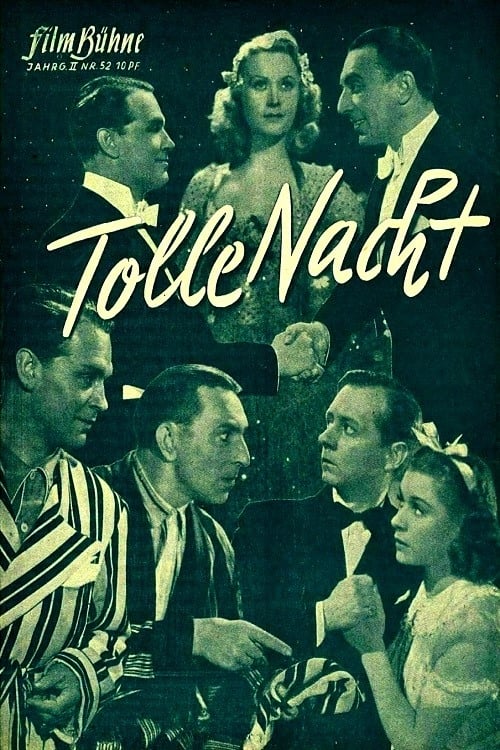
1943
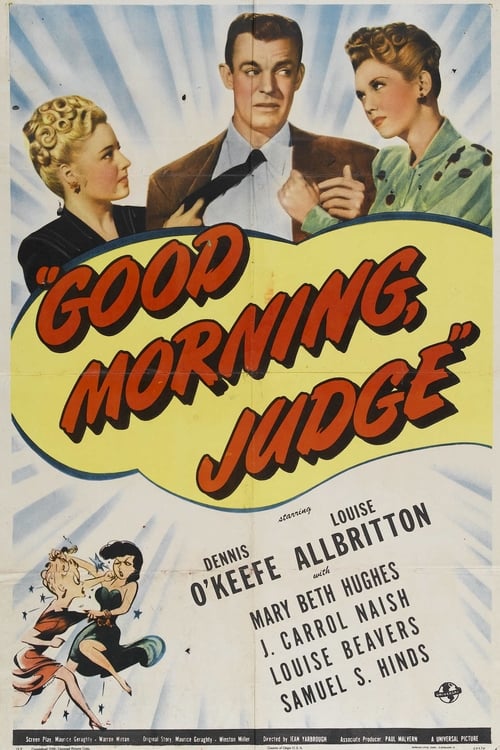
1943

1981
1934

1949
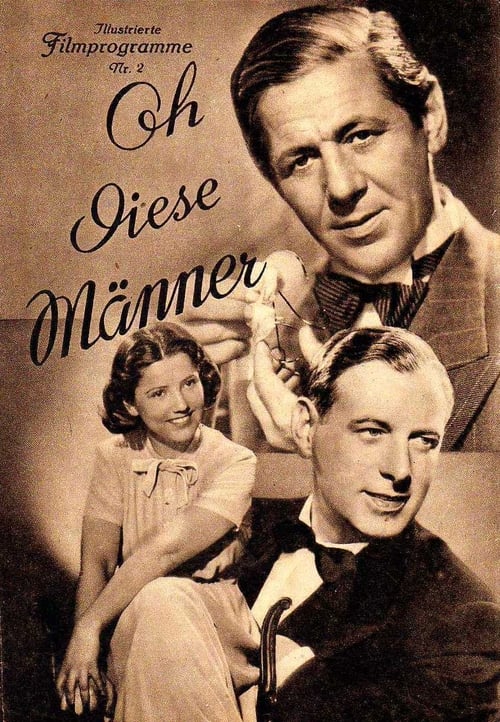
1941
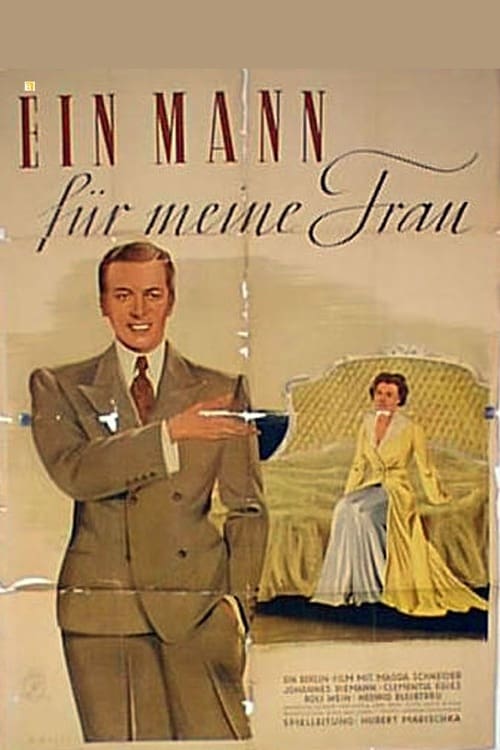
1943

1947

1935

1949
1937
No reviews yet. Be the first to share your thoughts on this movie!
Use the rating form above to leave a star rating and optional review.