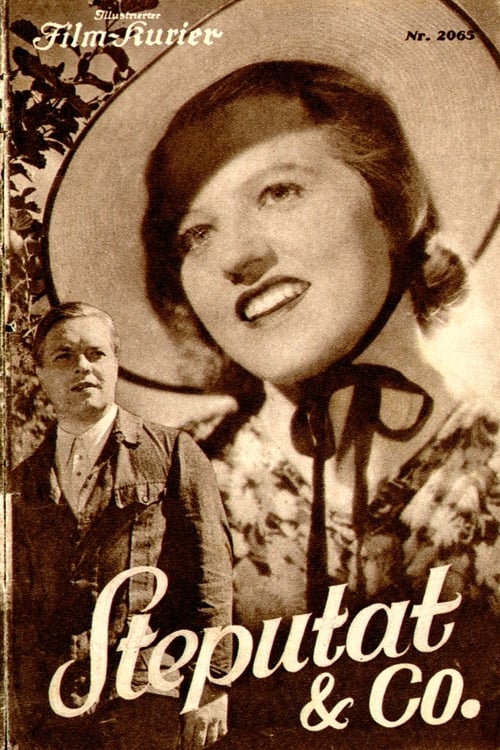
Steputat & Co.
1938
No user ratings available yet
Representation score: 1.0 out of 10
Representation Score
Minimal
1949
Director
Carl Boese
Runtime
80 minutes
Average Rating
No ratings yetNew Showbiz Analysis
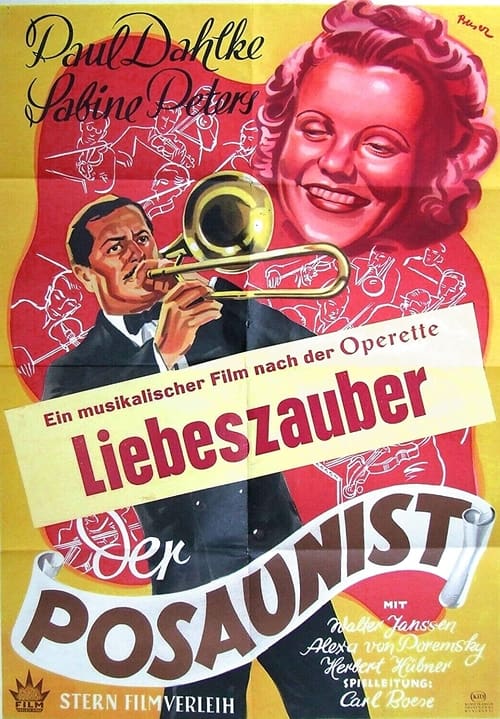
The Trombonist is a traditional mid-century comedy that mirrors the social norms of post-war European cinema. It lacks complexity in representing diverse identities and remains rooted in the established norms of its time. The film's demographic profile is homogeneous, reflecting the era's cinematic standards. It offers little disruption of traditional social or cultural structures. Overall, the work serves as a typical entertainment piece for its time, rather than a platform for diverse or subversive representation.
Category Breakdown
The film does not include any characters with non-straight sexual orientations or gender identities. It aligns with the heterosexual relationships expected in 1949 German comedy.
Sabine Peters is part of the cast, but female characters likely play traditional supporting or romantic roles. The film follows the gender roles typical of its era.
The film's cast reflects a single ethnic background consistent with 1949 Germany. There is no indication of a diverse cast or actors from different backgrounds.
The movie operates within the cultural norms of mid-20th century Europe. It focuses on situational humor without challenging Western social values.
The film does not feature any characters with visible or invisible disabilities. There is no representation of individuals with disabilities in the narrative.
Present on Screen
Limited or Absent
Official Synopsis
The Trombonist is a 1949 comedy film directed by Carl Boese and starring Paul Dahlke, Sabine Peters and Ludwig Körner.
1938

1991
1947
1942
1939
1940
1943
1956
No reviews yet. Be the first to share your thoughts on this movie!
Use the rating form above to leave a star rating and optional review.