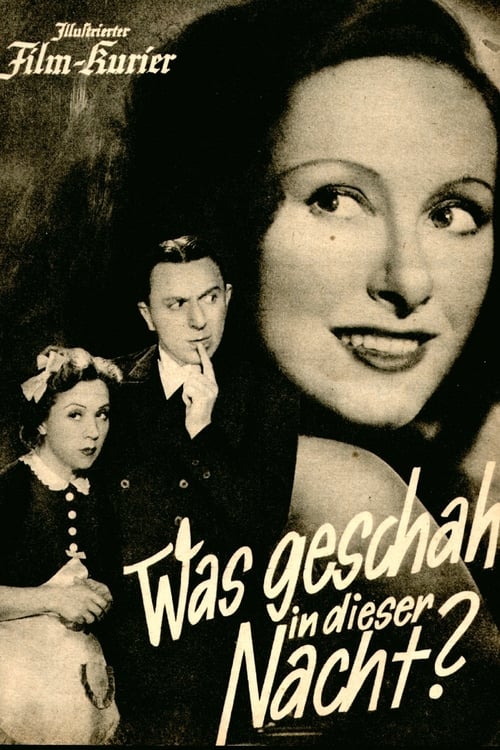
Was geschah in dieser Nacht?
1941
No user ratings available yet
Representation score: 2.0 out of 10
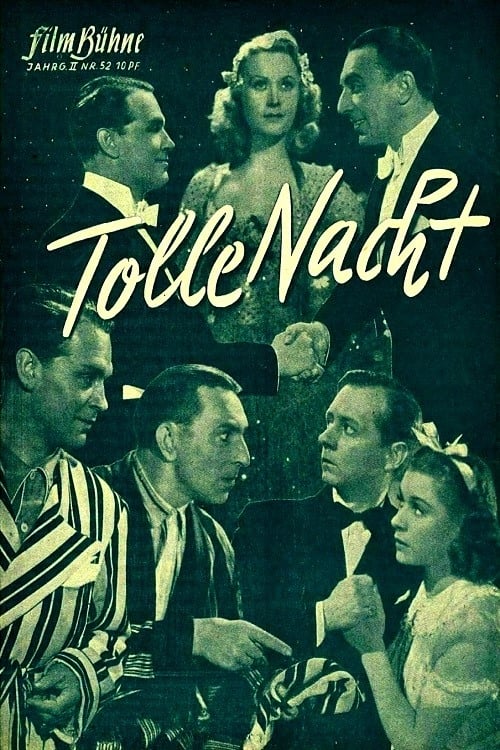
Representation Score
Limited
1943
Director
Theo Lingen
Runtime
80 minutes
Average Rating
No ratings yetNew Showbiz Analysis
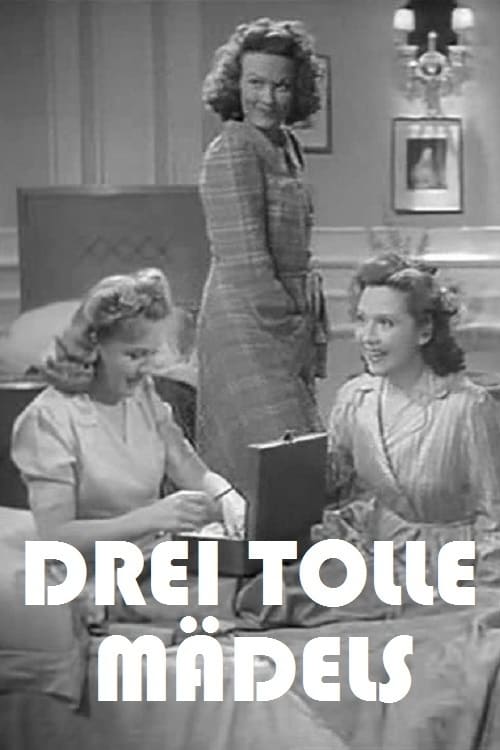
Produced during the wartime German film era, *Tolle Nacht* functions as escapist entertainment. The film prioritizes situational humor and the maintenance of social equilibrium over any disruption of established norms. The narrative structure aligns with the restrictive institutional oversight of 1943, reinforcing traditionalist social structures and cultural homogeneity rather than exploring diverse identities. Ultimately, the film serves as a product of its time, focusing on lighthearted farce within a framework of strict social and racial isolationism.
Category Breakdown
The film adheres to the strict social prohibitions of 1943 Germany. It lacks queer narratives or non-cisgender identities, reinforcing the assumption that everyone is straight or cisgender.
Comedic clichés rely on traditional gender roles. While women may navigate comedic chaos, they often function within frameworks of domesticity or romantic pursuit rather than challenging patriarchal hierarchies.
The cast reflects a highly homogeneous environment. The narrative lacks racial blending or non-European identities, mirroring the systemic isolationism and racial ideologies of the era.
The work upholds traditional European institutional values like family stability and social decorum. It avoids critiques of traditional institutions, serving instead as a tool for social cohesion.
Physical or mental differences are likely used as comedic devices or plot catalysts. There is no evidence of neurodivergent or disabled characters being portrayed with genuine autonomy.
Present on Screen
Limited or Absent
Official Synopsis
The niece of a wealthy manufacturing aunt has secretly married. Her husband has lost his way during the night in his pajamas at a spa and ended up on the balcony of an attractive singer.
1941

1991
1940
1943
1943
1943
1942
1943
No reviews yet. Be the first to share your thoughts on this movie!
Use the rating form above to leave a star rating and optional review.