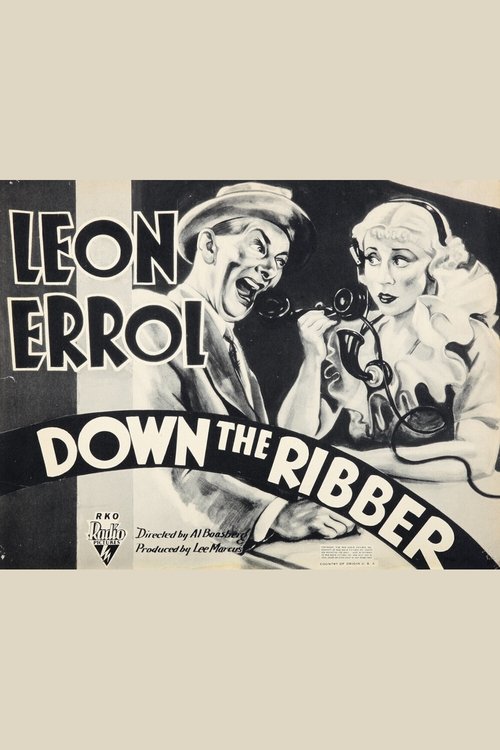
Down the Ribber
1936
No user ratings available yet
Representation score: 0.4 out of 10

Representation Score
Minimal
1935
ApprovedDirector
Al Boasberg
Runtime
18 minutes
Average Rating
No ratings yetNew Showbiz Analysis
Counselitis is a product of the 1935 studio system, functioning as a domestic comedy rooted in the social hierarchies of its era. The narrative focuses on a male lead facing legal consequences for petty theft and domestic misconduct, a premise that typically prioritizes traditional archetypes over diverse representation. The film lacks any visible commitment to breaking demographic norms. It appears to rely on the homogeneous casting and conventional moral structures prevalent in pre-Code and early Production Code cinema. Ultimately, the film serves as a snapshot of mid-1930s entertainment, reinforcing established social and gender hierarchies rather than challenging them through diverse characterization.
Category Breakdown
The film does not include any characters with non-traditional gender identities. The storyline focuses on traditional family conflicts, which may reinforce the idea that everyone's gender matches what they were assigned at birth.
The plot revolves around a male character dealing with legal and marital issues. This focus likely reinforces traditional gender roles and patriarchal structures common in 1930s comedies.
There is no indication of a racially diverse cast. The film likely adheres to the homogeneous demographic standards typical of the mid-1930s studio era.
The story centers on courtroom settings and domestic disputes. It upholds traditional social orders and Western cultural norms without exploring diverse cultural perspectives.
The documentation contains no mention of characters with visible or invisible disabilities.
Present on Screen
Limited or Absent
Official Synopsis
Leon Errol in court for stealing an umbrella and abusing his wife.
1936
1936

1934
1933
1933

1950
1943
1935
No reviews yet. Be the first to share your thoughts on this movie!
Use the rating form above to leave a star rating and optional review.