Tip auf Amalia
1940
No user ratings available yet
Representation score: 2.2 out of 10
Representation Score
Minimal
1947
Director
Hans Wolff
Runtime
0 minutes
Average Rating
No ratings yetNew Showbiz Analysis
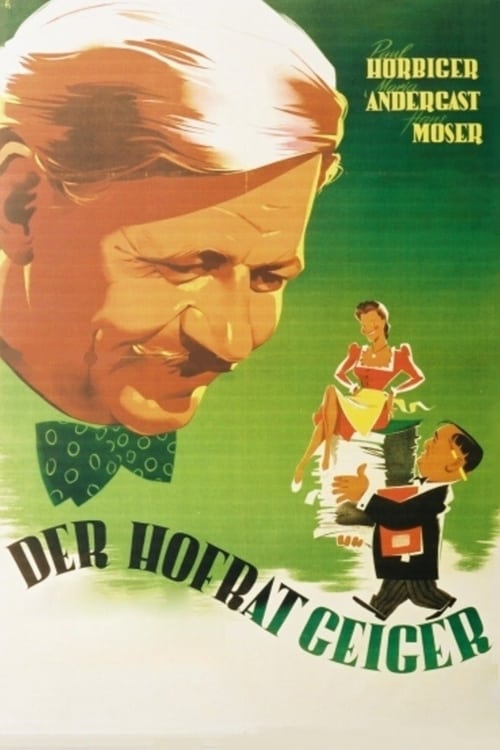
Der Hofrat Geiger is a conventional mid-century comedy that reinforces established social and institutional hierarchies. The narrative prioritizes traditional familial bonds and legalistic structures common to the era. While the female protagonist demonstrates resilience against economic hardship, the power dynamics remain firmly rooted in a patriarchal framework. The male lead's control over legal status and financial stability defines the character interactions. The film reflects a localized, homogeneous European perspective, offering little in the way of racial or LGBTQ+ diversity. It functions primarily as a study of traditionalist social norms and paternalistic authority.
Category Breakdown
The film focuses on traditional family structures and legal legitimacy. There is no evidence of non-straight relationships or critiques of the assumption that everyone is straight within the plot.
The narrative relies on a patriarchal dynamic where the male protagonist drives the plot. While the female lead shows a significant role in driving the story through economic survival, the Hofrat remains the primary decision-maker.
This Austrian period comedy appears to feature a homogeneous European demographic. There is no indication of racial blending or diverse casting in the setting.
The story centers on Western social institutions like marriage and citizenship. It emphasizes the restoration of social order and paternalistic care rather than challenging traditional norms.
There is no evidence regarding the inclusion of characters with visible or invisible disabilities in this work.
Present on Screen
Limited or Absent
Official Synopsis
Retired Hofrat Geiger discovers by chance that he has an illegitimate daughter. He goes to visit her, but is turned away, even though she is in financial difficulties (her inn is very run-down and has no customers). To obtain Austrian citizenship, she marries the Hofrat—planned only on paper—but he is responsible for processing her naturalization and delays it to ensure she stays close to him. At the same time, behind her back, he ensures that her inn is renovated.
1940
1991
1964
1942
1956
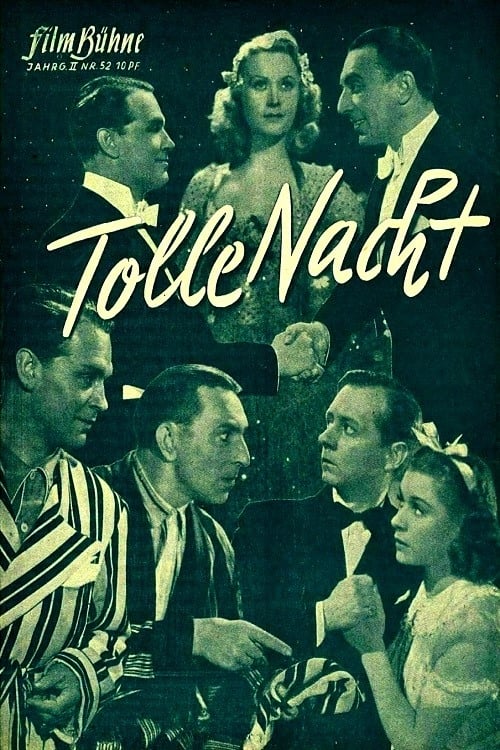
1943
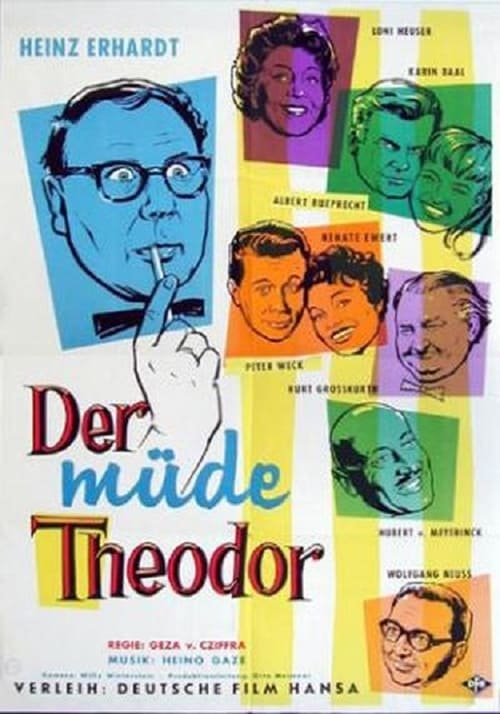
1957
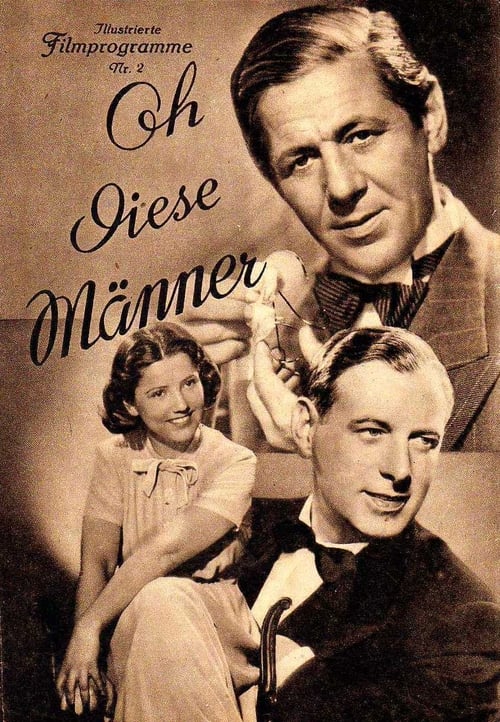
1941
No reviews yet. Be the first to share your thoughts on this movie!
Use the rating form above to leave a star rating and optional review.