
Seisaku's Wife
1965
No user ratings available yet
Diversity score: 6.2 out of 10
1984
PGDirector
Jonathan Demme
Runtime
100 minutes
Average Rating
No ratings yetSynopsis
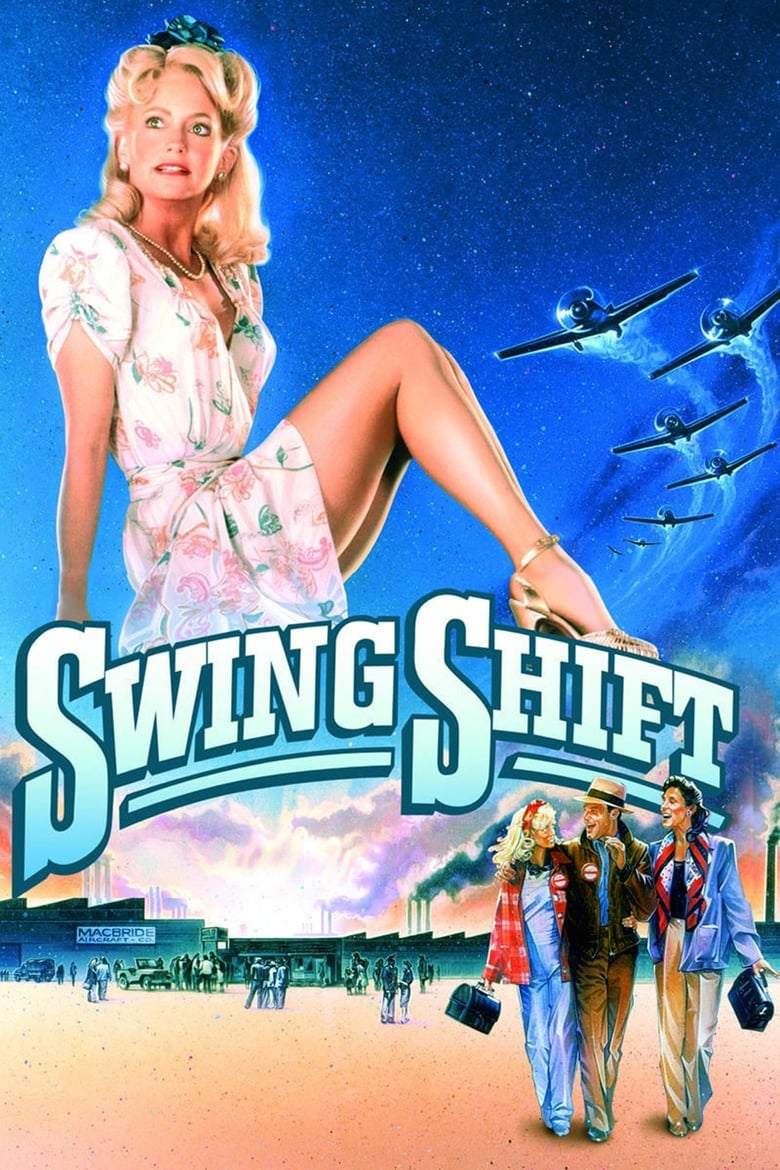
In 1941 America, Kay and her husband are happy enough until he enlists after Pearl Harbor. Against his wishes, she takes a job at the local aircraft plant where she meets Hazel, the singer from across the way. The two soon become firm friends and with the other girls become increasingly expert workers. As the war drags on, Kay finally dates her trumpet-playing foreman and life gets more complicated.
Overall Score
Fair
Category Breakdown
LGBTQ+ Representation
The film emphasizes female solidarity and the intimacy of the bond between Kay and Hazel. However, it does not explicitly codify non-heteronormative identities or romantic orientations.
Gender Representation
Women are depicted as essential, skilled contributors to the industrial workforce rather than helpless damsels. Kay’s transition from domestic life to technical labor demonstrates significant professional agency.
Racial & Ethnic Diversity
The cast is predominantly homogeneous, reflecting the localized setting of a 1941 aircraft plant. The narrative lacks significant intersectional casting or diverse ethnic perspectives.
Religious & Cultural Diversity
The story offers a realistic view of labor and the friction between individual desire and systemic wartime necessity. It avoids a sanitized or purely celebratory view of mid-century life.
Disability Representation
There are no prominent or central depictions of physical or neurodivergent disabilities that drive the plot or character development.
Strengths
Areas for Improvement
AI Analysis
Swing Shift succeeds as a study of female agency during wartime. By placing women in technical, industrial roles, the film disrupts traditional domestic hierarchies and highlights their economic necessity. However, the film's historical specificity limits its broader social scope. The focus on a homogeneous working-class demographic results in a lack of racial and ethnic diversity within the central character arcs. While the film captures meaningful female friendships, it remains within the bounds of its 1941 setting, offering platonic connections rather than overt queer narratives.
1965
1979

1996

1931
1998
1983

1988

1942

1980
1943
1944

1957
No reviews yet. Be the first to share your thoughts on this movie!
Use the rating form above to leave a star rating and optional review.