
Reunion in France
1942
No user ratings available yet
Representation score: 3.4 out of 10
Representation Score
Limited
1980
PGDirector
François Truffaut
Runtime
131 minutes
Average Rating
No ratings yetNew Showbiz Analysis
Truffaut’s drama succeeds by integrating the Jewish experience into the core survival stakes of the plot, avoiding superficial including someone from a minority group without giving them real depth. The film provides a nuanced look at how systemic oppression and commercial interests intersect during wartime. However, it operates within traditional social frameworks, lacking engagement with LGBTQ+ identities and relying on a gender dynamic centered around the male protagonist's perspective.
Category Breakdown
The film centers on the heterosexual relationship between the main characters, focusing on their romance and careers. It does not explore LGBTQ+ identities or same-sex relationships.
The female lead plays a significant role in managing her career and hiding her partner, showing strength and resilience. However, the plot is largely driven by the male protagonist's anxieties.
The film delves into the Jewish experience during the Nazi occupation, highlighting the extreme vulnerability and systemic persecution faced by a Jewish character.
The film examines the tension between artistic integrity and commercial success, critiquing institutional pressures and the commercialization of history.
There are no prominent depictions of visible or invisible disabilities that serve as central narrative drivers.
Present on Screen
Limited or Absent
Official Synopsis
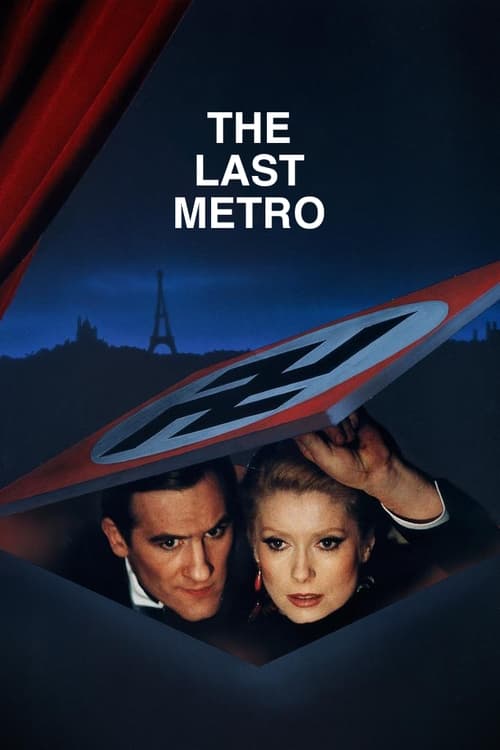
In occupied Paris, an actress wed to a Jewish theater owner must keep him hidden from the Nazis while doing both of their jobs.
1942

1957
1985
1974

1979

1959

2007
1942
No reviews yet. Be the first to share your thoughts on this movie!
Use the rating form above to leave a star rating and optional review.