The Pillar of Fire
1899
No user ratings available yet
Representation score: 3.7 out of 10
Representation Score
Minimal
1901
Not RatedDirector
Georges Méliès
Runtime
2 minutes
Average Rating
No ratings yetNew Showbiz Analysis
Méliès' work serves as a spectacle of early cinematic magic tricks rather than a tool for social change. The film relies heavily on established Western archetypes and traditional gender roles. While the Madonna offers a moment of supernatural empowerment, the narrative remains firmly within the cultural and moral frameworks of the early 20th century. The female protagonist primarily serves as a catalyst for conflict.
Category Breakdown
The film focuses on a traditional romantic relationship between Romeo and Juliet. There are no representations of non-straight or non-cisgender identities, nor any critique of the assumption that everyone is straight or cisgender.
Juliet starts off in a position where she needs protection from Romeo. However, the Madonna character provides supernatural empowerment, which challenges the typical hero-saving-the-damsel narrative through divine intervention.
The film uses classic European literary and religious figures. There is no indication of a diverse cast or subversion of traditional casting norms.
The story is deeply rooted in Western religious and literary traditions. It reinforces established moral hierarchies through a struggle between the Madonna and the Devil.
There are no visible or invisible disabilities portrayed within the narrative.
Present on Screen
Limited or Absent
Official Synopsis
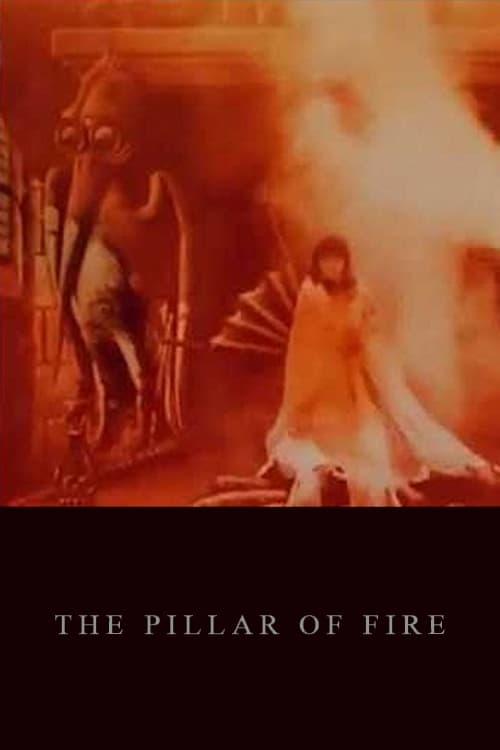
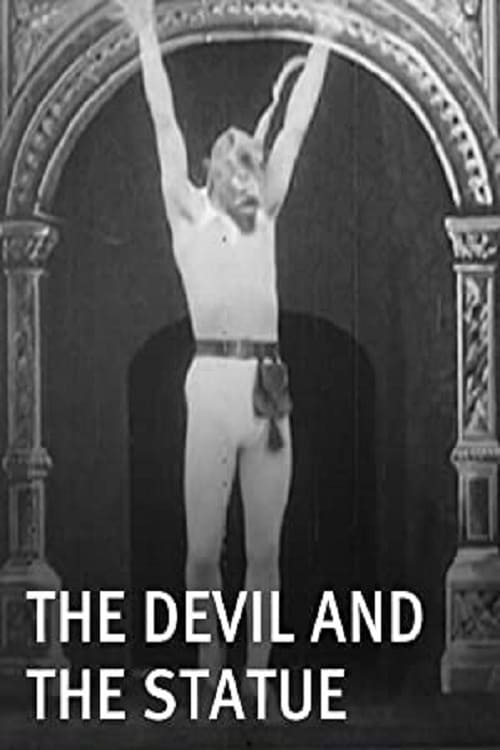
At the beginning of the scene Romeo in his gondola sings to Juliet a sentimental song, then goes away. Hardly has he departed when the colonnade falls to pieces, disclosing the devil. Juliet, frightened, runs to the window and calls Romeo. The latter attempts to enter and protect his fiancée, but at a gesture from the devil the window is instantly covered with a grating and Romeo makes frantic efforts to break it. The devil begins to dance a wild dance before Juliet, who is beside herself from terror. The devil gradually becomes the size of a giant (a novel effect). Juliet implores the statue of Madonna, which becomes animated, descends from its pedestal, and stretching out its arms orders the devil to disappear. (Méliès Catalog)
1899
1923
1899
1920

1896
1939
1904
1898
No reviews yet. Be the first to share your thoughts on this movie!
Use the rating form above to leave a star rating and optional review.