
The Monster
1903
No user ratings available yet
Representation score: 3.3 out of 10
Representation Score
Fair
1920
UnratedDirector
Carl Boese, Paul Wegener
Runtime
85 minutes
Average Rating
No ratings yetNew Showbiz Analysis
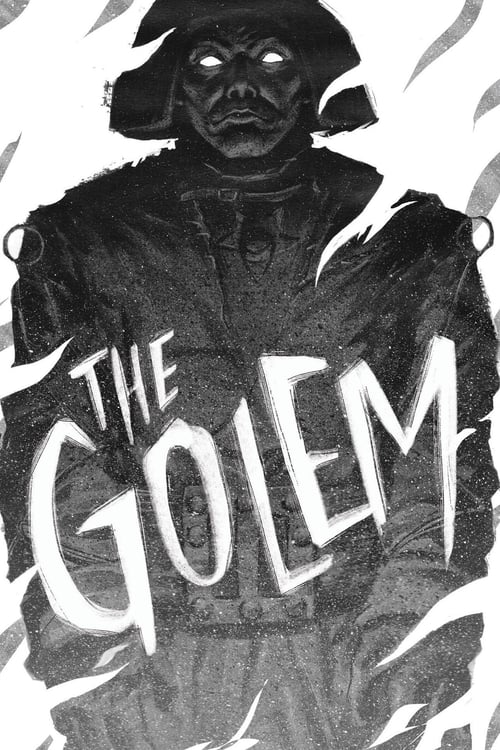
The Golem is a landmark of German Expressionism that disrupts early 20th-century cinematic norms by centering a Jewish community in 16th-century Prague. Its strength lies in its ethnic and cultural specificity, offering a nuanced look at communal survival and the ethics of protecting against persecution. However, the film is limited by the period-specific social structures it depicts. It lacks LGBTQ+ representation and maintains a patriarchal hierarchy where male figures drive the plot, leaving female characters in supportive roles. While the Golem itself offers a potential metaphor for disability or neurodivergence, the character lacks personal ability to act, functioning instead as a tool of destruction. This reliance on the 'monstrous' cliché prevents a more nuanced exploration of physical difference.
Category Breakdown
The film does not include any visible LGBTQ+ characters or representations of non-straight relationships. The story focuses solely on the communal and religious structures of the time.
The film upholds traditional gender hierarchies. The main conflict is driven by male figures such as Rabbi Loew, while female characters play secondary or reactive roles.
The film centers around a Jewish community and its unique cultural struggles. This challenges the era's tendency to depict homogeneous Western communities as the norm.
The narrative examines the ethics of creation and protection through a lens of situational necessity. It highlights the tension between religious authority and the realities of survival.
The Golem serves as a metaphor for physical otherness but primarily functions as a plot device. The portrayal leans towards the monstrous cliché common in early horror.
Present on Screen
Limited or Absent
Official Synopsis
In 16th-century Prague, a rabbi creates the Golem - a giant creature made of clay. Using sorcery, he brings the creature to life in order to protect the Jews of Prague from persecution.
1903
1911

1915
1921
1908
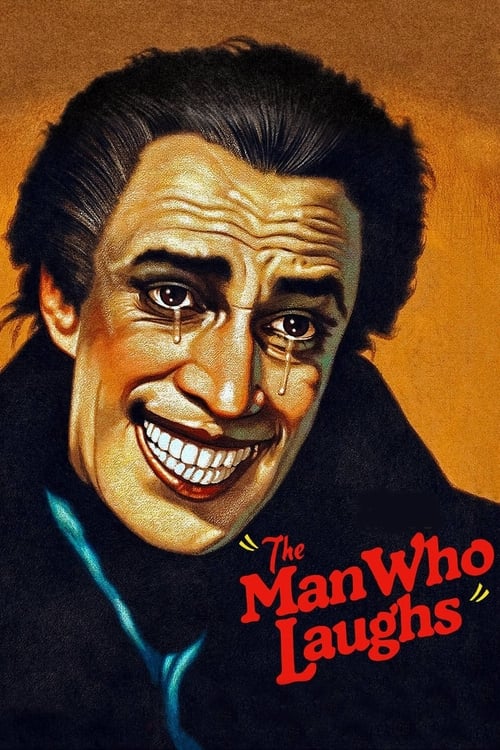
1928
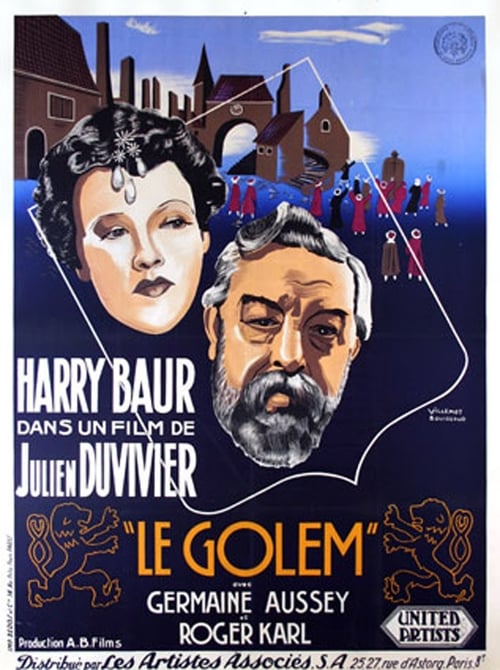
1936
1907
No reviews yet. Be the first to share your thoughts on this movie!
Use the rating form above to leave a star rating and optional review.