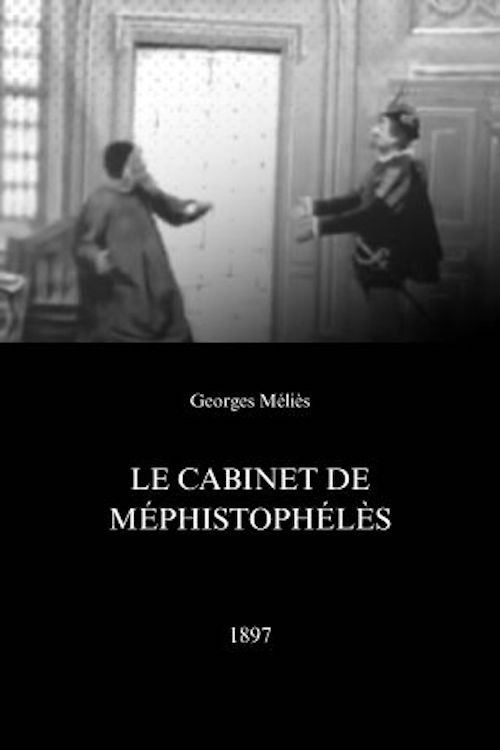
The Devil's Laboratory
1897
No user ratings available yet
Representation score: 1.9 out of 10
Representation Score
Limited
1899
Not RatedDirector
Georges Méliès
Runtime
3 minutes
Average Rating
No ratings yetNew Showbiz Analysis
Georges Méliès employs his signature trick-film style to challenge religious order through fantasy. The film's strength lies in its ability to use chaos and transformation to question the sanctity of the Church. However, it lacks the multi-layered complexity and diverse casting seen in modern cinema. The work reflects its time, with limited representation of racial or LGBTQ+ identities and imbalanced gender dynamics.
Category Breakdown
The film explores a supernatural transformation within a religious context but does not depict any non-cisgender identities or same-sex relationships.
The convent setting focuses on nuns, but the narrative revolves around a male priest's transformation. Female characters serve as a collective audience to the male-led spectacle, lacking individual ability to act.
Reflecting late 19th-century French casting practices, the film lacks non-white or non-Anglo-Saxon representation. The cast appears entirely homogeneous.
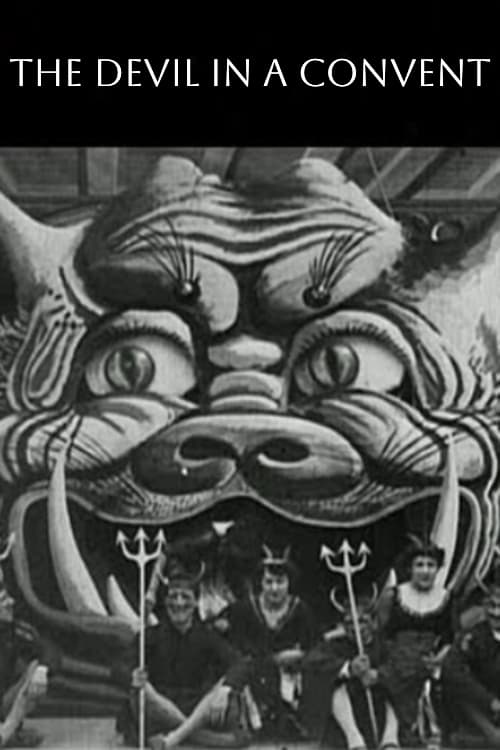
The film humorously critiques religious sanctity by transforming a priest into the devil, playfully deconstructing the stability of the Church and sacred spaces.
There are no characters with physical or neurodivergent disabilities in the film. The narrative does not address disability representation.
Present on Screen
Limited or Absent
Official Synopsis
A priest is officiating at a convent, when suddenly he is transformed into the devil, who frightens away the nuns and turns the place into pandemonium.
1897
1905
1906

1901
1898

1896
1902
1904
No reviews yet. Be the first to share your thoughts on this movie!
Use the rating form above to leave a star rating and optional review.