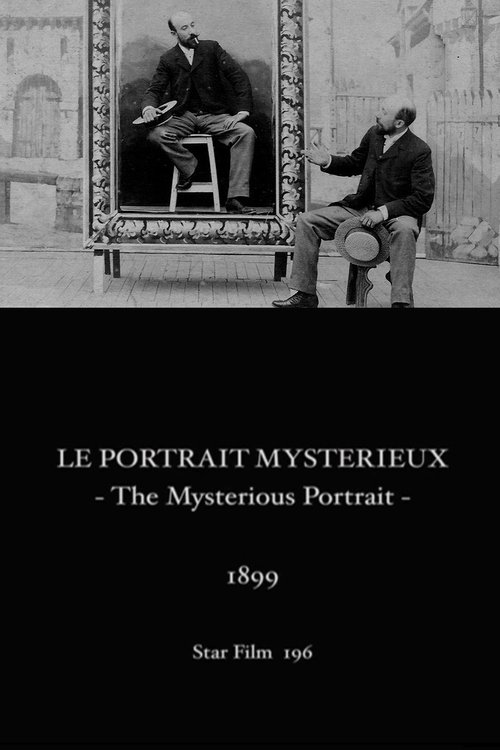
The Mysterious Portrait
1899
No user ratings available yet
Diversity score: 2.9 out of 10
1899
Director
Georges Méliès
Runtime
1 minutes
Average Rating
No ratings yetSynopsis
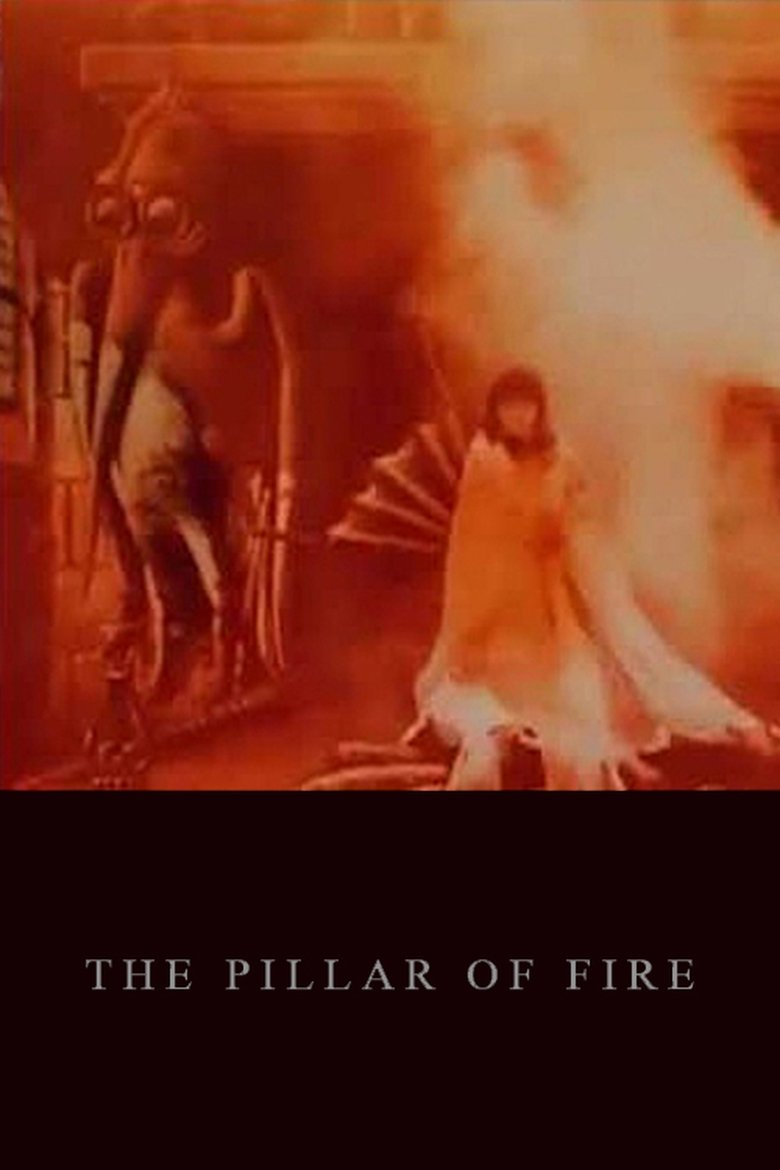
A devil wearing bat-like wings and brandishing a trident dances around a giant pot, conjuring forth flame from his trident to lit a fire beneath the pot. After the devil works the fire with bellows, an angelic woman emerges from the pot. The devil and the pot vanish as the woman performs a dance, waving about her diaphanous sleeves until she conjures forth another fire, then she rises amongst the smoke into the air.
Overall Score
Fair
Category Breakdown
LGBTQ+ Representation
The film depicts a binary interaction between a demonic figure and an angelic entity. While it lacks explicit same-sex intimacy, the fluid, transformative magic suggests a departure from rigid moral binaries.
Gender Representation
The masculine-coded devil acts as a functional catalyst for the female figure. The angelic woman occupies the commanding role, transitioning from emergence to an active display of agency through fire manipulation.
Racial & Ethnic Diversity
The narrative focuses on mythological and supernatural archetypes rather than ethnically coded characters. Consequently, there is no evidence of racial or ethnic diversity within the film.
Religious & Cultural Diversity
The film utilizes a subjective, mythological morality rather than a dogmatic religious framework. It presents a symbiotic cycle of creation and destruction between the devil and the angel.
Disability Representation
The film focuses strictly on the supernatural transformation of its central figures. There are no characters with visible or invisible disabilities depicted in the work.
Strengths
Areas for Improvement
AI Analysis
Méliès uses fantastical elements to disrupt conventional narrative expectations. By centering the angelic woman as a powerful agent of change rather than a passive figure, the film subverts traditional power dynamics found in early mythological storytelling. The work avoids a strict Western 'good vs. evil' dichotomy. Instead, it presents a ritualistic, symbiotic relationship between celestial and infernal entities, leaning toward a symbolic interpretation of spiritual archetypes. Because the characters are archetypal supernatural beings, the film lacks the human characterization necessary to address intersectional identities or specific racial and disability-related representation.
1899
1908
1908

1899
1898
1899
1897
1904
1908
1910
1907
1900
No reviews yet. Be the first to share your thoughts on this movie!
Use the rating form above to leave a star rating and optional review.