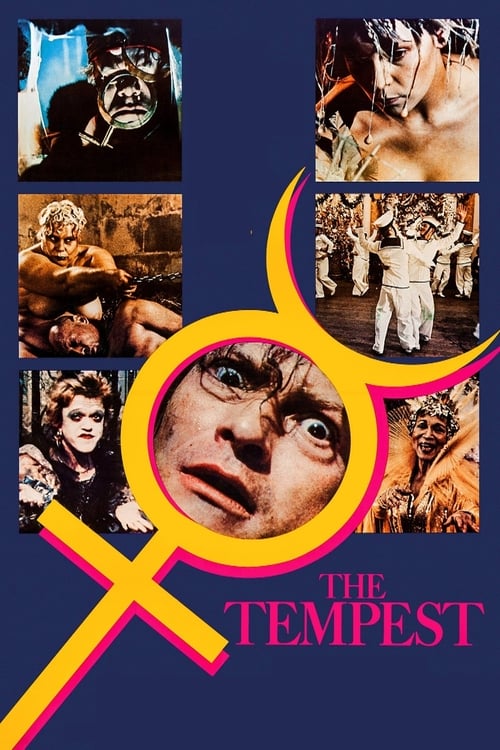
The Tempest
1979
No user ratings available yet
Representation score: 9.4 out of 10
Representation Score
Excellent
1991
RDirector
Peter Greenaway
Runtime
126 minutes
Average Rating
No ratings yetNew Showbiz Analysis
Peter Greenaway’s adaptation of 'The Tempest' deconstructs traditional hierarchies through intellectual critique. Instead of relying on overt identity clichés, the film challenges colonial, patriarchal, and Western institutional structures. The film excels in its postmodern critique of authority and its use of a global, historical pastiche to disrupt Anglo-centric expectations. It treats the body and religious symbols as sites for aesthetic experimentation rather than fixed identities. However, the film’s reliance on abstraction means it lacks explicit representation for LGBTQ+ identities and specific, character-driven portrayals of disability. It prioritizes symbolic fluidity over concrete identity politics.
Category Breakdown
The film uses Shakespearean archetypes and mythological symbols rather than contemporary LGBTQ+ identities. It lacks clear, non-traditional romantic pairings or defined LGBTQ+ roles, focusing instead on abstract symbolism.
Traditional gender roles are challenged through a fragmented depiction of power. The relationship between Prospero and Miranda avoids traditional patriarchal dynamics, presenting masculine authority as a construct of control.
The island setting is used to critique colonial influence. Characters are portrayed as part of a global, historical pastiche, avoiding a singular, Anglo-centric perspective.
The film emphasizes secular, intellectual inquiry over religious doctrine. Religious symbols are used for aesthetic deconstruction, challenging traditional Western structures.
Characters are depicted in abstract, sensory or physical states within a stylized aesthetic. However, the film lacks specific, character-driven portrayals of neurodivergence or physical disabilities.
Present on Screen
Limited or Absent
Official Synopsis
An exiled magician finds an opportunity for revenge against his enemies muted when his daughter and the son of his chief enemy fall in love in this uniquely structured retelling of the 'The Tempest'.
1979

1969
2014
1969
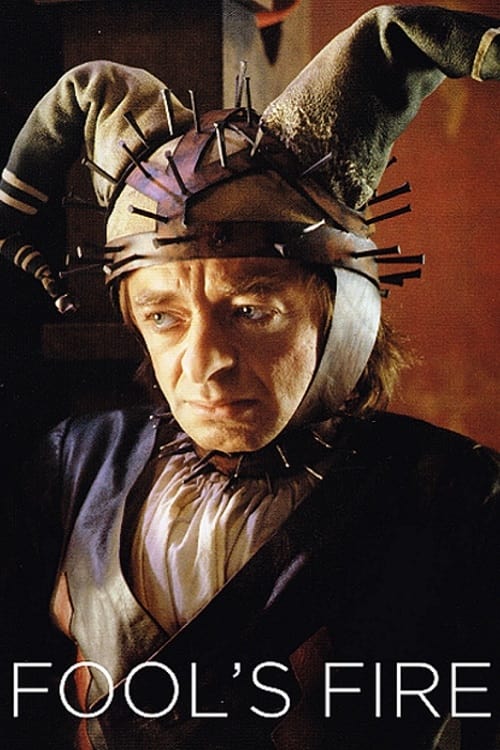
1992

1992
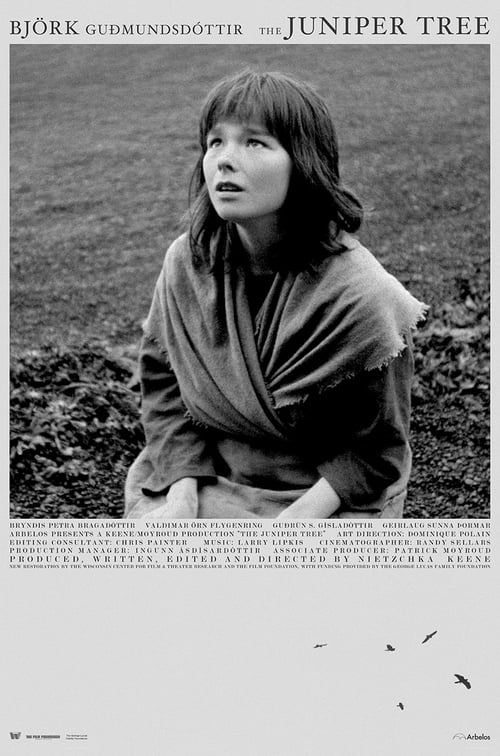
1990
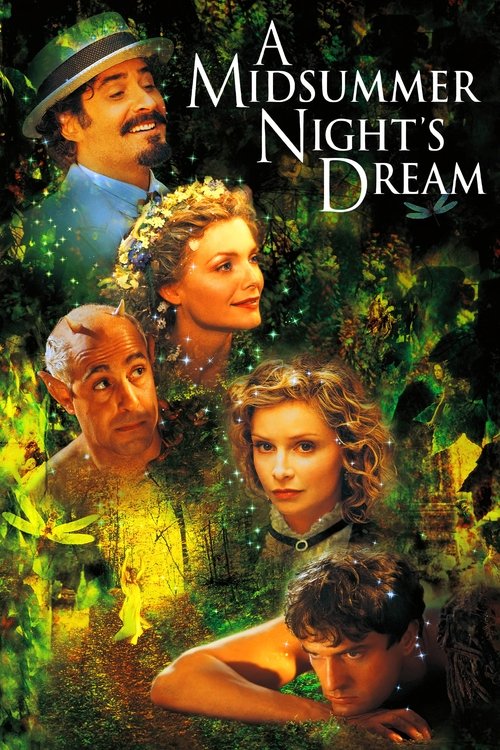
1999
No reviews yet. Be the first to share your thoughts on this movie!
Use the rating form above to leave a star rating and optional review.