The Devil's Envoys
1942
No user ratings available yet
Representation score: 5.2 out of 10
Representation Score
Fair
1960
Not RatedDirector
Ingmar Bergman
Runtime
88 minutes
Average Rating
No ratings yetNew Showbiz Analysis
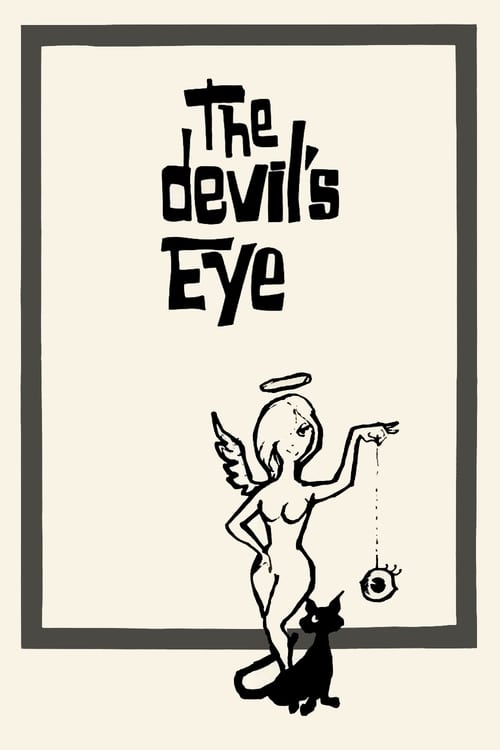
Ingmar Bergman’s work in *The Devil's Eye* functions as a sophisticated deconstruction of traditional Western sanctity. By centering the plot on a demonic entity's emotional evolution, the film challenges the rigid moral frameworks of 1960s religious institutions. The film excels at intellectual subversion, using the disruption of a sacred wedding to explore individual control over systemic mandates. It shifts the focus from external religious duty to the internal, subjective truth of the protagonist. However, the narrative's impact is limited by its lack of diversity. While it challenges moral hierarchies, it remains within a homogeneous cultural and racial framework, lacking visible LGBTQ+ or ethnic diversity.
Category Breakdown
The film examines the fluid nature of desire and the collapse of strict moral boundaries. However, it does not specifically depict non-straight identities, focusing instead on a mission centered around straight relationships.
A female character serves as the central catalyst for a cosmic conflict. Her role challenges traditional masculine and demonic structures, highlighting the constraints placed on women's ability to drive the story.
The narrative operates within a historically homogeneous European setting. There is no indication of intentional ethnic blending or diverse casting within the story's context.
The film offers high levels of cultural subversion by promoting moral relativism. It critiques traditional Western marriage customs and religious institutions through the lens of a demonic protagonist.
The narrative provides no evidence regarding the portrayal of physical or neurodivergent disabilities.
Present on Screen
Limited or Absent
Official Synopsis
Don Juan is sent from Hell to Earth with a mission: to seduce a virgin in order to spoil her pure wedding. The mission becomes frantic when Don Juan falls in love for the first time in centuries.
1942
1965
1971
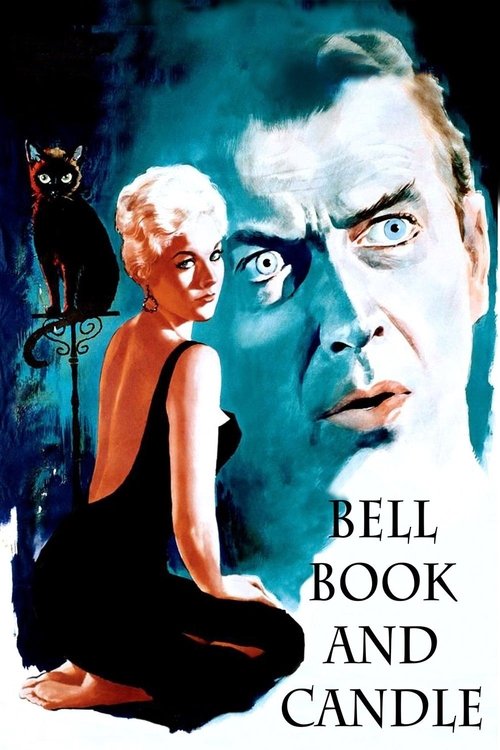
1958
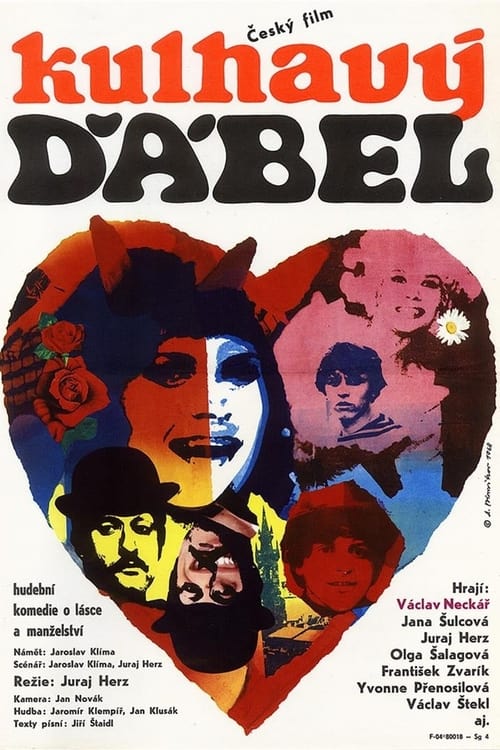
1968
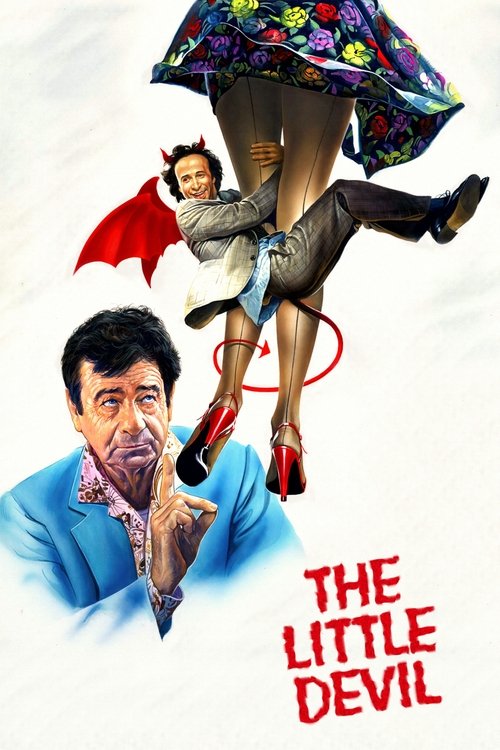
1988
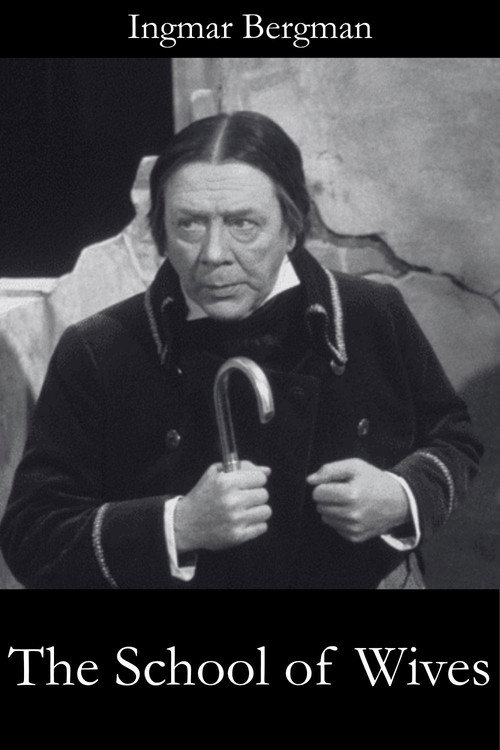
1983
1951
No reviews yet. Be the first to share your thoughts on this movie!
Use the rating form above to leave a star rating and optional review.