J'Accuse
1919
No user ratings available yet
Representation score: 3.7 out of 10
Representation Score
Minimal
1928
Director
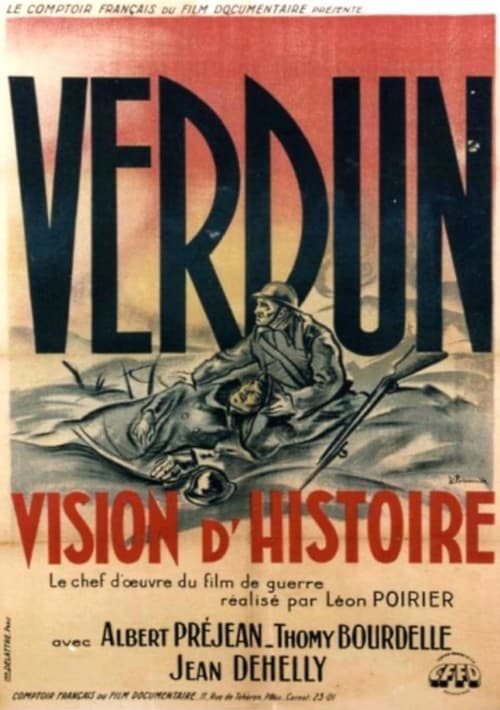
Léon Poirier
Runtime
151 minutes
Average Rating
No ratings yetNew Showbiz Analysis
Léon Poirier’s work is a foundational piece of cinematic realism that prioritizes nationalistic historical documentation. It functions as a conventional re-enactment of a specific European military event, adhering strictly to the socio-historical constraints of 1928. The film lacks intentional challenges to social hierarchies or multi-layered approaches. Instead, it reinforces the period's standard of masculine martial duty and traditional Western values. Because the focus remains on the combat between French and German forces, the perspective is narrow and homogeneous, offering little representation outside of the dominant European military context.
Category Breakdown
The film does not include any LGBTQ+ characters or stories that go beyond the assumption that everyone is straight or cisgender. It focuses on the strict military structures of the early 20th century.
The story centers on a strictly masculine combat environment. It emphasizes traditional hierarchies by focusing almost exclusively on the experiences of male soldiers.
The cast is made up of a homogeneous European demographic. There is no evidence of racial blending or the inclusion of non-European perspectives.
The film serves as a traditional Western historical record emphasizing patriotism. It functions as a commemorative piece of national history rather than a critique of Western institutions.
There is no evidence that the film uses disability as a narrative tool for ability to act. Physical trauma is treated as a plot consequence rather than an exploration of identity.
Present on Screen
Limited or Absent
Official Synopsis
A dramatized re-enactment and documentary of the Battle of Verdun as seen by both French and German soldiers, shot on site of the actual battle.
1919

1925

2012
2018

1930
1942
1981

2014
No reviews yet. Be the first to share your thoughts on this movie!
Use the rating form above to leave a star rating and optional review.